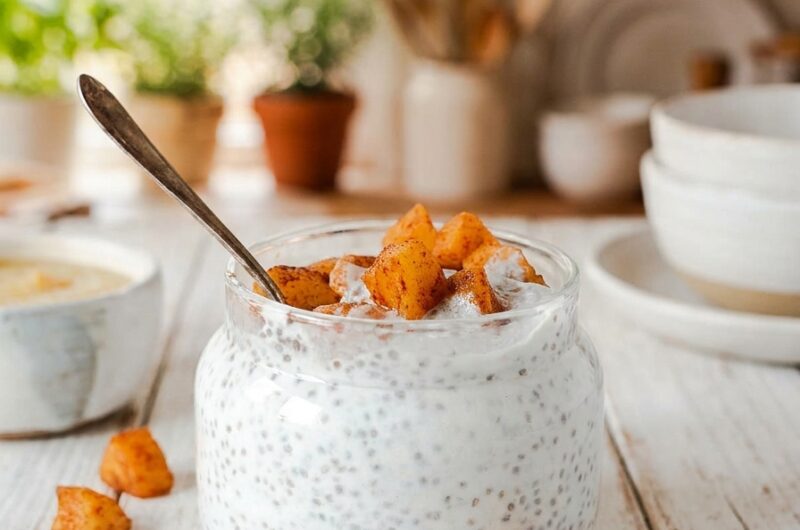
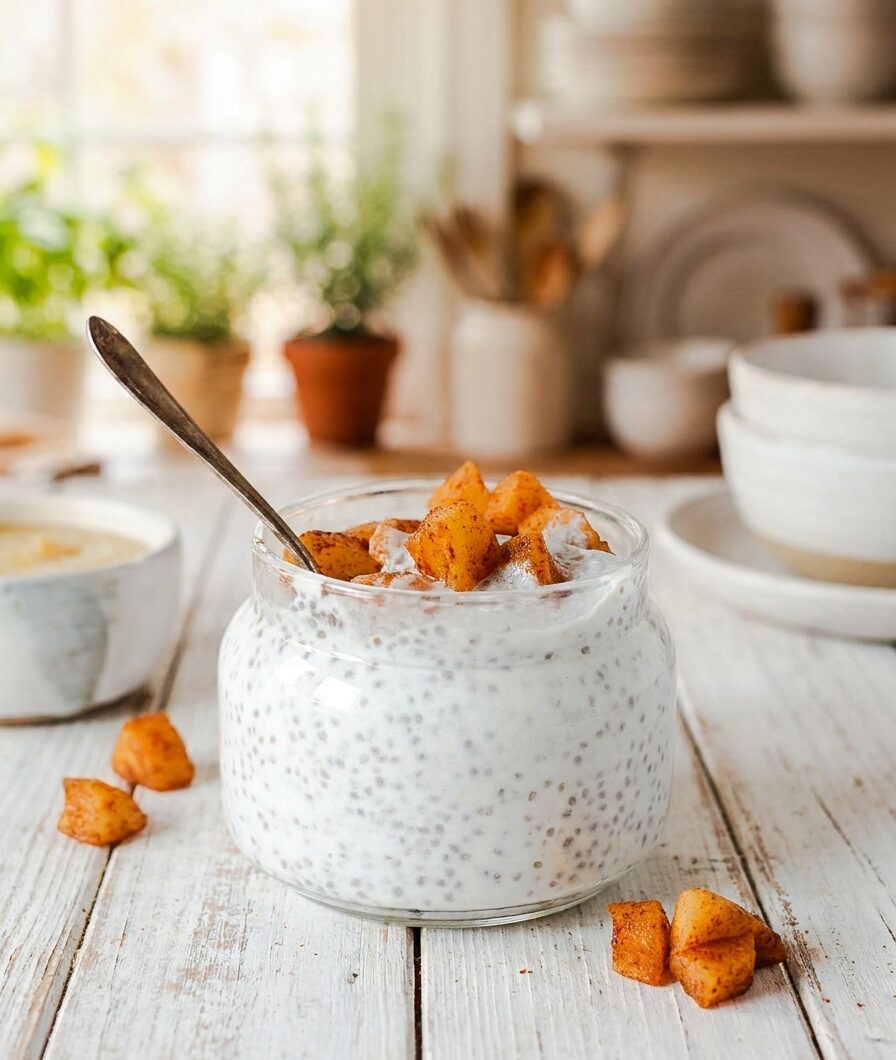
If you are looking for a healthy breakfast recipe, an easy meal prep idea, or a nutritious high-fiber snack, this creamy chia seed pudding is a simple choice. It requires no cooking and takes only a few minutes to prepare. After chilling, the chia seeds absorb the liquid and create a thick, creamy texture that is filling and easy to enjoy.
This easy chia pudding recipe works well for busy mornings because most of the preparation is done ahead of time. Make it in a bowl or divide it into jars, then leave it in the refrigerator to thicken. You can enjoy it plain or add fruit, nuts, coconut, or other toppings when serving.
Chia seed pudding is also very flexible. The basic recipe can be changed with different types of milk and simple flavor additions. Vanilla, cinnamon, cocoa powder, peanut butter, almond butter, lemon zest, and orange zest can all create a different taste while keeping the same easy preparation method.
Why Chia Pudding Is a Popular Healthy Breakfast
A healthy breakfast does not always need a long cooking process. Many people need meals that can be prepared in advance and eaten quickly. Chia pudding is useful for this because the ingredients are mixed together, chilled, and ready to eat later.
The recipe is suitable for breakfast, a midday snack, or a light dessert. It can also be prepared in individual containers for meal prep. Having ready-made portions in the refrigerator can make it easier to choose a homemade option when time is limited.
Another reason for its popularity is the combination of fiber, healthy fats, and plant-based protein found in chia seeds. The exact nutrition will depend on the milk, sweetener, and optional ingredients you choose, but the basic recipe provides a satisfying base for a nutritious meal or snack.
Because the ingredients are simple, this homemade chia pudding can also fit different eating preferences. Choosing plant-based milk can make it dairy-free, while the basic chia seed mixture is naturally gluten-free. Small changes in the ingredients can help you adapt the recipe to your own needs.
What Gives Chia Pudding Its Creamy Texture
The texture of chia seed pudding develops naturally during chilling. When chia seeds are mixed with liquid, they absorb moisture and form a gel-like outer layer. As the mixture rests, it becomes thicker and develops the familiar pudding consistency.
The amount and type of liquid can affect the final result. Some milks produce a lighter pudding, while others give it a richer and creamier texture. Coconut milk can create a fuller taste, while almond milk can keep the recipe lighter.
Oat milk and soy milk are other options included in this recipe. Dairy milk can also be used if that is your preference. Since the recipe allows you to choose the milk, you can make the pudding with the option that best suits your taste.
Stirring is important for an even texture. The chia seeds can settle together after the first mix, which may create clumps. Whisking the mixture thoroughly, allowing it to rest briefly, and then whisking again helps spread the seeds more evenly through the liquid.
A Simple Make-Ahead Breakfast Idea
Meal prep is one of the main reasons this recipe is so convenient. Instead of preparing breakfast from the beginning every morning, you can make several portions ahead of time. Store them covered in the refrigerator and take out a serving when needed.
The preparation itself takes about 10 minutes. The pudding then needs 240 minutes of chilling time to become properly thick. Overnight chilling is also suitable if you prefer to prepare it before going to bed.
Individual jars can be useful for portioning. You can prepare the base pudding in one large bowl and divide it later, or place the mixture directly into separate containers before chilling. Both methods work as long as the pudding is covered properly.
For the best texture, add toppings close to serving time when possible. Some fresh fruits release moisture as they sit, which can make the pudding thinner. Keeping fruit, granola, and other toppings separate until needed helps maintain the texture of the chia pudding.
Choosing the Right Milk for Chia Pudding
The milk you choose can change both the taste and consistency of this recipe. Dairy milk gives a familiar and mild flavor. Almond milk can create a lighter pudding, while oat milk often gives a naturally creamy result.
Coconut milk can provide a richer texture and works especially well with tropical toppings such as mango, pineapple, and coconut. Soy milk is another option that can be used for the base. You can choose any of the listed milk options without changing the original ingredient list.
If you prefer a thinner pudding, you may use a little more liquid after the pudding has chilled. If it becomes too thick, stir gently and add a small amount of milk until the texture feels right for you.
The final consistency is also affected by chilling time. A mixture that has not rested long enough may still seem thin because the chia seeds need time to absorb the liquid. Giving the pudding the full chilling period is usually better than adding extra chia seeds too early.
How to Get a Smooth Chia Pudding
A creamy chia pudding starts with thorough mixing. Add the chia seeds, milk, sweetener, vanilla extract, and salt to a medium bowl. Whisk the ingredients well for about one minute so the seeds are spread throughout the liquid.
Let the mixture stand for 5 to 10 minutes. During this time, the chia seeds begin absorbing moisture. Whisk the mixture again after resting to separate any seeds that have started sticking together.
This second stir is one of the easiest ways to improve the texture. It helps prevent large clumps and gives the pudding a more even consistency. After that, cover the bowl or divide the mixture into jars for chilling.
For a different texture, the chilled pudding can also be blended until smoother. Blending changes the appearance and feel of the pudding, creating a softer consistency. This is optional and is not necessary for the basic recipe.
Easy Flavor Options with the Same Base
Vanilla is already included in the base recipe and gives the pudding a simple flavor that works with many toppings. A small amount of cinnamon or nutmeg can add warm spice without making the recipe complicated.
Cocoa powder can turn the base into a chocolate chia pudding. This option works well when you want a richer flavor while keeping the same no-cook method. The original variation uses extra cocoa powder and additional maple syrup.
Peanut butter can be mixed into the pudding for a nutty flavor and a thicker feel. Almond butter is another listed option that can be used in the same way. These additions work especially well with banana or a small amount of cinnamon.
Lemon zest and orange zest offer a fresher flavor. Add them when mixing the base ingredients so the citrus aroma spreads through the pudding. These versions can be served with fruit for a bright and simple breakfast.
Chocolate Chia Pudding Variation
For the chocolate version, the original recipe adds 3 tablespoons of cocoa powder and 1 extra tablespoon of maple syrup. Mix these additions thoroughly with the other ingredients so the cocoa powder is evenly distributed.
Cocoa powder can initially form small dry pockets, so whisking well is especially important. If needed, press any small lumps against the side of the bowl while mixing. After chilling, the pudding develops the same thick texture as the original base.
Chocolate chia pudding can be served plain or topped with fruit, nuts, coconut flakes, or dark chocolate chips. The topping is optional and allows you to change the texture according to your preference.
This version is a good example of how one basic chia pudding recipe can create several different breakfasts. The main preparation method stays simple, so you do not need to learn a completely new process for each flavor.
Peanut Butter and Almond Butter Variations
The original recipe includes both peanut butter and almond butter as optional flavor additions. Peanut butter adds a familiar nutty taste and can make the pudding feel richer. Almond butter provides a different flavor while serving a similar purpose.
For the peanut butter variation, add 2 tablespoons of peanut butter and 1 tablespoon of maple syrup as listed in the original variation. Whisk well to make sure the peanut butter combines with the milk and chia seeds.
If using almond butter from the optional additions, stir it thoroughly into the mixture. Natural nut butters can sometimes separate in the jar, so mixing the nut butter first can help create a smoother pudding.
These versions can be served with fruit or other toppings of your choice. Banana and nuts pair naturally with nut butter flavors, while coconut flakes can add another layer of texture.
Tropical Coconut Chia Pudding
The tropical version uses coconut milk from the original list of milk choices. After the pudding has chilled, it is topped with mango, pineapple, and toasted coconut.
This combination gives the recipe a fruit-based tropical flavor. Mango and pineapple add sweetness and juiciness, while toasted coconut provides a slightly firmer texture.
It is best to add these toppings shortly before serving. Fresh fruit can release liquid while stored, so keeping it separate can help the chia pudding stay thick and creamy.
This variation is especially useful when you want something different from vanilla or chocolate. The preparation remains the same, making it easy to prepare several flavors from one basic method.
Banana Bread Style Chia Pudding
The banana bread style variation uses 1 mashed banana, ½ teaspoon cinnamon, and a pinch of nutmeg. These ingredients add a naturally sweet fruit flavor along with warm spices.
Mash the banana well before combining it with the pudding mixture. This helps it mix more evenly with the milk and chia seeds. The cinnamon and nutmeg should also be whisked thoroughly so their flavor is spread evenly.
After chilling, the pudding has a soft, thick consistency with the added banana flavor. This version can be a good breakfast choice when you prefer warmer spice flavors without cooking anything.
Because banana can darken and change texture over time, this variation is best prepared and stored properly in a covered container. Serve chilled after the mixture has reached the desired thickness.
Toppings That Work Well with Chia Pudding
Fresh berries are a popular topping because their tart and sweet flavors work well with the mild pudding base. Banana slices, mango, kiwi, peaches, and other fruit can also be used depending on what is available.
Granola adds crunch, while almonds and walnuts provide a firmer bite. Coconut flakes are another simple option that pairs well with vanilla, chocolate, and tropical versions of the recipe.
Nut butter can also be added on top for extra flavor. A small spoonful can be spread or drizzled over the pudding just before serving. Dark chocolate chips can be used when you want a chocolate-style breakfast or dessert.
You can also layer the pudding with fruit and yogurt in a jar. This creates a simple parfait with different textures in each spoonful. Keep in mind that yogurt is a serving option and not part of the original ingredient list for the base recipe.
Common Texture Problems and How to Avoid Them
If chia pudding is too thin, the first thing to check is the chilling time. The seeds need enough time to absorb the liquid, and the full 240-minute chill is important. Overnight resting can also produce a thicker result.
If the mixture is too thick after chilling, stir in a little extra milk as directed in the original recipe. Add it gradually so the pudding does not become too thin.
Clumps usually happen when the mixture is not stirred enough during the early soaking stage. Whisking thoroughly at the beginning and again after 5 to 10 minutes helps keep the chia seeds separated.
Do not add watery toppings too far in advance if you want the thickest texture. Fresh fruit can release moisture during storage. Adding those ingredients when serving is a simple way to keep the prepared pudding in good condition.
Storing Homemade Chia Pudding
Store the prepared pudding covered in the refrigerator. According to the original recipe information, it can be stored for up to 5 days when kept properly.
Airtight jars or containers are useful because they keep the pudding covered and make meal prep easier. If you prepare multiple servings, separate containers can also make breakfast portions easier to manage.
Before eating stored chia pudding, give it a quick stir and check the texture. If it has become thicker than you prefer, mix in a little milk. This can refresh the consistency without changing the basic preparation method.
For the best texture, add fresh fruit shortly before eating. Granola is also better added at serving time because it can soften when left in the pudding for too long.
The Ultimate Guide to Chia Pudding
Chia pudding has become one of the most popular healthy breakfast recipes worldwide because it combines convenience, flavor, and nutrition in one easy jar.
4
servings10
minutes220
kcal4
hours4
hours10
minutesIngredients
- Base Pudding
½ cup (80g) chia seeds
2 cups (480ml) milk of choice
Dairy milk
Almond milk
Oat milk
Coconut milk
Soy milk2 tablespoons maple syrup, honey, or agave syrup
1 teaspoon vanilla extract
Pinch of salt
- Optional Flavor Additions
½ teaspoon cinnamon
¼ teaspoon nutmeg
1 teaspoon lemon zest
1 teaspoon orange zest
1 tablespoon cocoa powder
2 tablespoons peanut butter
2 tablespoons almond butter
Instructions
- In a medium bowl, add chia seeds, milk, sweetener, vanilla extract, and salt.
- Whisk thoroughly for about 1 minute until the chia seeds are evenly distributed.
- Allow the mixture to sit for 5–10 minutes so the seeds begin absorbing the liquid.
- Whisk once more to break up any clumps and create a smoother pudding texture.
- Cover the bowl or divide the mixture into jars. Refrigerate for at least 4 hours or overnight.
- If the pudding is too thick, stir in a little extra milk. If too thin, add more chia seeds and chill again.
- Top with your favorite fruits, nuts, granola, or coconut flakes and serve chilled.
Notes
- Storage Tips: Store covered in the refrigerator for up to 5 days.
- Add fresh fruit toppings just before serving for best texture.
Nutrition Facts
- Serving Size: 1 g
- Total number of serves: 1
- Calories: 220kcal
- Fat: 8g
- Carbohydrates: 20g
- Fiber: 10g
- Protein: 8g