Protein Packed Chicken Salad is a satisfying meal that combines tender chicken with a creamy, tangy dressing, crisp vegetables, and fresh herbs. Unlike traditional chicken salad recipes that rely mainly on mayonnaise, this version combines mayonnaise with plain Greek yogurt to create a balanced dressing with extra protein and a lighter texture. Fresh lemon juice, Dijon mustard, garlic, dill, and parsley add layers of flavor without making the salad complicated. The recipe can be prepared ahead of time, making it especially convenient for lunches, meal prep, sandwiches, wraps, or a quick high-protein dinner.
One of the strongest features of this healthy chicken salad is its versatility. The basic combination of chicken, Greek yogurt, mayonnaise, celery, red onion, pickles, and herbs already creates plenty of flavor and texture, but several optional ingredients can be added depending on how you want to serve it. Hard-boiled eggs and chickpeas can make the meal more substantial, while walnuts or almonds provide crunch. Grapes or dried cranberries introduce sweetness, and cayenne pepper can give the finished salad a little heat. This flexibility makes the recipe useful for both everyday meals and casual entertaining.
Why You Love This Salad
This high protein chicken salad works particularly well when you want a filling meal without spending a long time in the kitchen. Most of the preparation involves simple chopping, mixing, and chilling. The chicken is the main protein source, while Greek yogurt contributes additional protein and gives the dressing its pleasant tanginess. Because the salad is served cold, it can also be prepared in advance and kept refrigerated until mealtime. That makes it a practical option when you prefer having ready-to-eat food available during a busy week.
Texture is another reason this recipe stands out. Soft, shredded chicken is balanced by finely diced celery, red onion, and dill pickles, giving each spoonful a combination of creamy and crunchy elements. Fresh dill and parsley brighten the richer dressing, while lemon juice provides acidity that prevents the mayonnaise and yogurt from tasting too heavy. The finished result can be enjoyed straight from a bowl or turned into a chicken salad sandwich, wrap, pita filling, cracker topping, or lettuce-cup meal.
Ingredients That Build Flavor and Protein
Chicken breasts form the foundation of this protein packed chicken salad. Boneless, skinless chicken breasts are convenient because they cook relatively quickly and shred easily once tender. Chicken thighs can also be used if preferred, particularly when a juicier texture is desired. Whatever option you choose, properly cooking and cooling the chicken before assembling the salad is important. The source recipe specifically recommends allowing the chicken to cool completely before it is combined with the creamy dressing.
The dressing combines mayonnaise and plain Greek yogurt in equal amounts, along with Dijon mustard, fresh lemon juice, and minced garlic. This mixture creates a creamy base with a balance of richness, tanginess, and freshness. Greek yogurt is particularly useful because it contributes protein while keeping the dressing pleasantly bright. Dijon mustard adds depth, lemon provides acidity, and fresh garlic adds a savory note that works naturally with chicken and herbs.
Celery, red onion, dill pickles, fresh dill, and fresh parsley provide most of the salad’s fresh flavor and crunch. Cutting these ingredients finely helps distribute them evenly throughout the chicken. Large vegetable pieces can dominate individual bites, whereas smaller pieces allow the chicken, dressing, vegetables, and herbs to come together more consistently. Salt and black pepper are added according to taste, so the final seasoning can be adjusted after all the main ingredients have been combined.
Choosing and Preparing the Chicken
Good chicken salad begins with properly cooked chicken. The recipe provides two straightforward cooking options: poaching or baking. Poaching can produce tender chicken that is easy to shred, while baking offers a simple hands-off alternative. When poaching, the chicken is covered with cold water or broth and cooked gently. When baking, the chicken is seasoned and cooked at 375°F/190°C. Whichever method you use, the chicken should be cooked safely before it is cooled and incorporated into the salad.
After cooking, allow the chicken to become cool enough to handle before shredding it with two forks. You can also cut it into small cubes if you prefer a chunkier chicken salad. Shredded chicken tends to capture more dressing between its fibers, creating a cohesive creamy texture, while diced chicken produces more distinct pieces. Both approaches work, so the choice depends largely on the texture you want in the finished dish.
Why Cooling the Chicken Is Important
Cooling may seem like a small detail, but it plays an important role in creamy chicken salad. Warm chicken should not be mixed immediately with a mayonnaise and Greek yogurt dressing. Heat can make the dressing thinner and may interfere with its creamy consistency. Instead, spread the cooked and shredded chicken over a plate or tray and allow it to reach room temperature before refrigerating it for another 15 to 20 minutes.
Fully chilled chicken also makes the salad more refreshing and helps the ingredients combine without becoming overly soft. This is particularly useful when preparing the recipe for meal prep because the salad should remain pleasantly creamy after refrigeration. Although cooling adds a little waiting time, it requires almost no additional work and can make a noticeable difference to the final texture.
Making the Creamy Greek Yogurt Dressing
The dressing is intentionally simple. Mayonnaise provides richness, while Greek yogurt brings tanginess and a creamy consistency. Dijon mustard, fresh lemon juice, and minced garlic complete the mixture. Stir these ingredients together until the dressing looks smooth before adding the chicken and vegetables. Preparing the dressing separately first ensures that the mustard, garlic, and lemon juice are evenly distributed rather than concentrated in particular areas of the salad.
The mayonnaise-to-yogurt balance also prevents this high protein chicken salad from tasting like a traditional mayonnaise-heavy version. If you make the recipe again, the basic flavor profile can help you decide whether you prefer the richer mayonnaise component or the sharper yogurt component. For the original version, however, use the quantities specified in the recipe card so the ingredient proportions remain consistent with the source recipe.
How to Assemble Chicken Salad Properly
Once the chicken has cooled, assembly becomes quick. Add the cooled chicken, finely diced celery, red onion, chopped dill pickles, fresh dill, and parsley to the prepared dressing. Fold everything together until the dressing lightly and evenly coats the ingredients. Avoid aggressive mixing because a gentle approach helps maintain the texture of the chicken and vegetables, particularly if delicate optional ingredients are being included.
Season the salad with salt and black pepper after mixing. Tasting at this stage is useful because ingredients such as Dijon mustard and dill pickles already contribute strong savory flavors. Once seasoned, cover the bowl and refrigerate the chicken salad for at least 20 to 30 minutes. This chilling period allows the dressing and herbs to settle into the chicken and helps create a more cohesive flavor.
Optional High Protein Add-Ins
Hard-boiled eggs are one of the easiest additions when you want a richer chicken salad with another protein source. Chop two eggs and fold them into the finished mixture without overworking them. Chickpeas provide another option and introduce a different texture while adding plant-based protein and fiber. Drain and rinse them before adding them so excess canned liquid does not dilute the dressing.
Walnuts or almonds provide crunch and can make the salad more substantial. Because nuts soften when they remain in a moist dressing for an extended period, they are particularly good when added shortly before serving. Other optional additions include red grapes, dried cranberries, sunflower seeds, avocado, cucumber, smoked paprika, cayenne, onion powder, and olive oil. These ingredients allow the same basic chicken salad to take on noticeably different flavors without changing its essential preparation method.
Flavor Variations
A chicken salad recipe does not have to taste exactly the same every time you prepare it. For additional richness and protein, chopped hard-boiled eggs can be folded into the finished mixture. Chickpeas can create a heartier version, while chopped walnuts add a pleasantly crunchy element. Combining halved red grapes with almonds produces a sweeter variation that contrasts nicely with the tangy dressing.
For a creamy variation, diced avocado can be folded in shortly before serving. If you prefer spicy chicken salad, cayenne pepper provides heat without requiring a different preparation method. These optional variations are particularly helpful for meal planning because you can prepare the basic chicken mixture first and then divide it into smaller portions before adding different extras.
Best Ways to Serve Protein Packed Chicken Salad
One of the easiest ways to serve this healthy chicken salad is simply chilled in a bowl with a little fresh dill and black pepper. It can also be spooned onto bread to make a quick chicken salad sandwich. For a lighter serving style, place it in lettuce cups or serve it alongside fresh cucumber. Whole-grain crackers can provide a convenient crunchy accompaniment for lunch or snacking.
For entertaining, the salad can be placed in a chilled serving bowl with crackers, bread, or lettuce cups arranged separately. Guests can then choose how they want to eat it. Fresh herbs, nuts, seeds, cucumber, or a small drizzle of olive oil can be offered as toppings. If the salad will remain out for an extended gathering, keeping the serving bowl properly chilled is important because the recipe contains cooked chicken, mayonnaise, and yogurt.
Common Chicken Salad Mistakes
Adding warm chicken to the dressing is one of the most important mistakes to avoid. Another is using too much dressing, which can overwhelm the chicken and make the salad feel excessively wet. Finely chopping the vegetables is also worthwhile because oversized pieces of onion, celery, or pickle can make individual bites unbalanced. Chilling the salad before serving should not be skipped either, as that resting period helps the ingredients come together.
Crunchy ingredients deserve special attention as well. Nuts and seeds can gradually absorb moisture from the dressing, so adding them closer to serving time helps preserve their crunch. Delicate ingredients such as avocado should also be folded in gently and preferably shortly before eating. Following these simple practices produces a chicken salad with better texture while requiring very little additional effort.
Meal Prep and Leftover Ideas
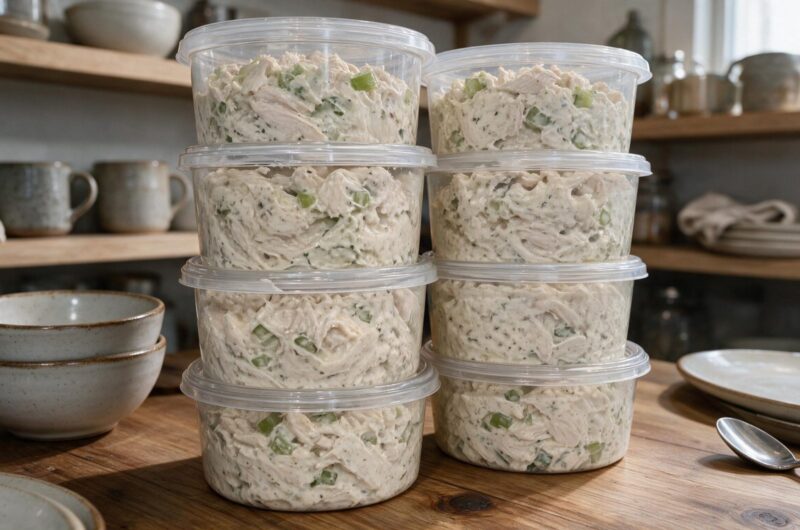
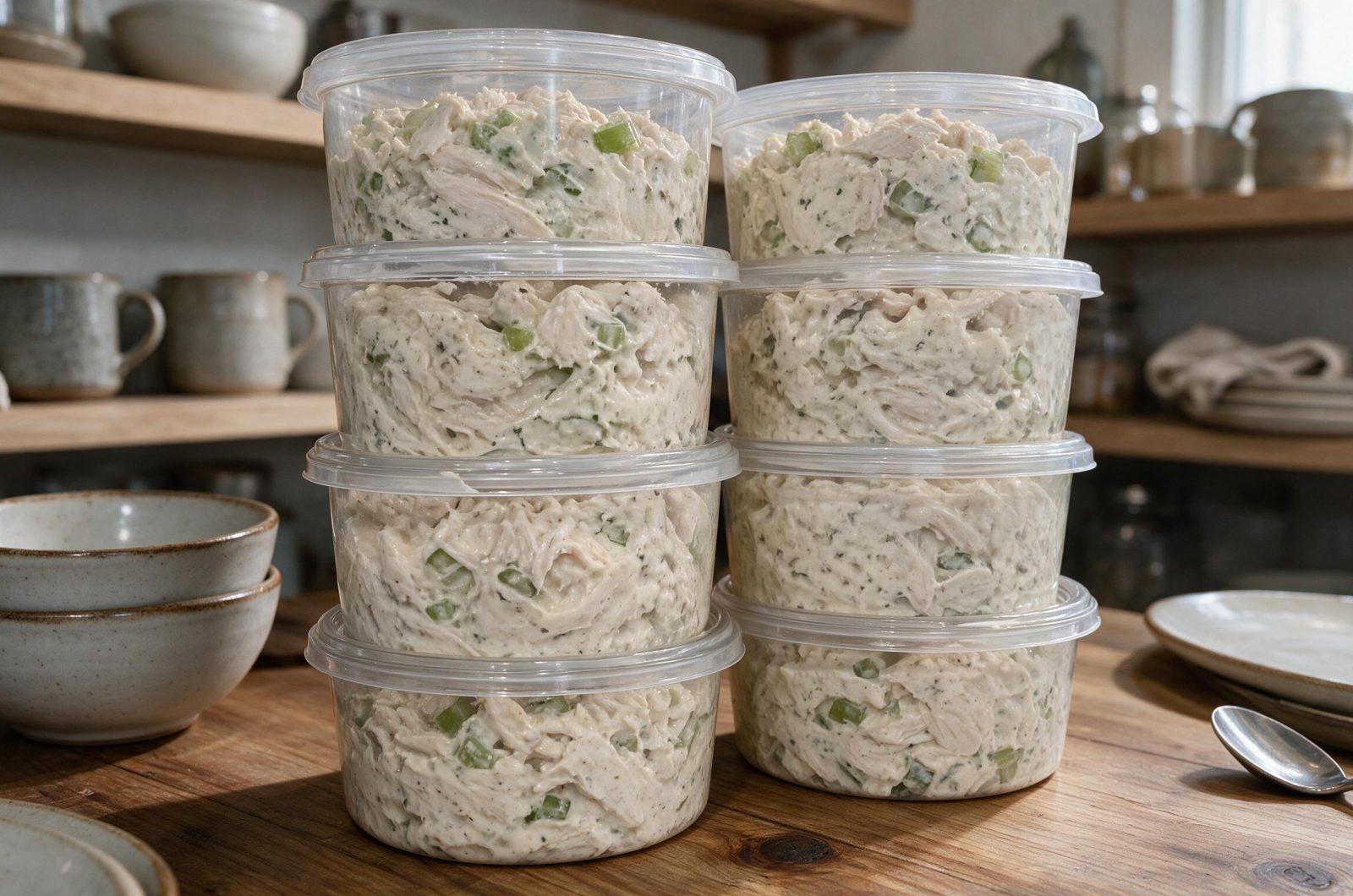
Protein Packed Chicken Salad is particularly convenient for meal prep because it can be made ahead and refrigerated. Preparing a batch gives you a ready-made filling that can be served in several different ways throughout the next few days. One day it can become a sandwich, another day it can go into a wrap or pita, and another portion can be served with crackers or vegetables.
Leftovers can also be spooned into a hollowed tomato or avocado half, placed on a baked potato, or combined with fresh greens for an easy lunch. Changing the serving method makes the same prepared salad feel less repetitive. The original recipe recommends keeping the chicken salad refrigerated and consuming it within three to four days for best quality.
Storage and Freezing Notes
Transfer leftover chicken salad to a sealed container and refrigerate it promptly. Keep crunchy toppings such as nuts or sunflower seeds separate when possible and add them just before serving. This simple step prevents them from becoming soft while stored in the creamy dressing. Proper refrigeration is especially important because the recipe contains cooked poultry and dairy ingredients.
Freezing is not recommended for this chicken salad. Mayonnaise and Greek yogurt can separate after freezing and thawing, resulting in a watery or uneven dressing. Fresh vegetables can also lose their desirable crispness. Preparing only the amount you expect to use within several days is therefore a better option than making an oversized batch specifically for freezing.
Nutritional Benefits
The primary nutritional advantage of this recipe is its protein content. Chicken provides most of the protein, while Greek yogurt contributes additional protein as part of the creamy dressing. Depending on the optional ingredients selected, eggs, chickpeas, almonds, or walnuts can further change the nutritional profile. The salad also contains calcium from Greek yogurt and nutrients including vitamin B12, iron, and selenium. Exact nutritional values naturally vary according to brands, portion sizes, and optional additions.
The recipe can fit particularly well into a high-protein meal plan because it combines a substantial protein source with vegetables and a yogurt-based component. However, terms such as “healthy” depend on individual nutritional needs, portion size, and the rest of a person’s diet. For general meal planning, pairing the chicken salad with vegetables, lettuce, or another fiber-rich side can create a more complete and satisfying meal.
Notes
For the creamiest texture, always cool the cooked chicken completely before adding it to the mayonnaise and Greek yogurt mixture. Chop the celery, onion, and pickles finely so they distribute evenly throughout the salad. Add nuts, seeds, avocado, and other ingredients that can soften as close to serving time as possible. Chill the finished salad for at least 20 to 30 minutes so the chicken, herbs, lemon, mustard, and dressing have time to develop a balanced flavor.
Protein Packed Chicken Salad
A creamy and flavorful high-protein chicken salad made with tender chicken, Greek yogurt, mayonnaise, crisp vegetables, pickles, and fresh herbs.
4
servings20
minutes20
minutes20
minutes1
hourIngredients
2 lb boneless, skinless chicken breasts
½ cup mayonnaise
½ cup plain Greek yogurt
2 tsp Dijon mustard
1 tbsp fresh lemon juice
2 celery stalks, finely diced
¼ cup red onion, finely diced
¼ cup dill pickles, finely chopped
2 tbsp fresh dill, chopped
2 tbsp fresh parsley, chopped
1 garlic clove, minced
Salt and black pepper, to taste
Instructions
- Cook chicken: Poach for 15–18 minutes or bake at 375°F/190°C for 22–25 minutes.
- Shred: Let chicken cool slightly, then shred or dice.
- Prep: Chop celery, onion, pickles, dill, parsley, and garlic.
- Chill: Cool chicken completely, then refrigerate for 15–20 minutes.
- Make dressing: Mix mayonnaise, Greek yogurt, mustard, lemon juice, and garlic.
- Combine: Add chicken, vegetables, pickles, and herbs. Mix gently.
- Add extras: Fold in any optional ingredients.
- Season: Add salt and black pepper to taste.
- Chill: Refrigerate for 20–30 minutes.
- Serve: Serve cold in a bowl, sandwich, wrap, or lettuce cup.