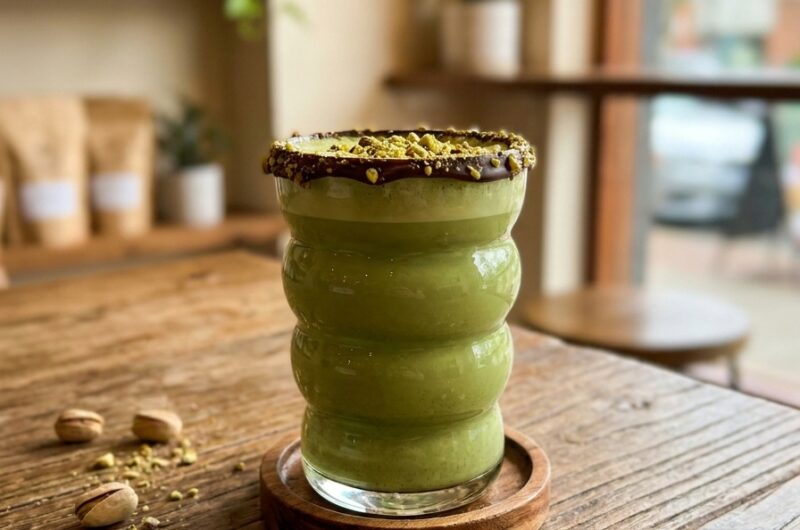
The evolution of modern beverage arts has established a highly sophisticated intersection between traditional tea ceremonies and functional, performance-based mixology. Historically, standard café lattes and specialty tea drinks have relied exclusively on high concentrations of refined sugar syrups, heavy dairy creams, and synthetic flavorings to mask the bitter properties of tea or espresso. While these commercial preparations offer immediate sensory sweetness, they frequently trigger sudden spikes in blood glucose followed by an energy crash, completely undermining the natural wellness benefits of the primary ingredients. This master recipe fundamentally redefines that paradigm. By utilizing the intrinsic bioactive components of premium Japanese green tea alongside a balanced protein matrix and custom-milled nut milk, this formula delivers an elite afternoon drink designed for smooth energy and optimal satiety.
To master this beverage, one must analyze the unique biochemical properties of matcha and its interaction with dietary proteins. Matcha consists of whole Camellia sinensis tea leaves ground into a microscopic, water-soluble powder. Unlike steeped green tea, consuming the entire leaf provides a highly concentrated dose of caffeine combined with an abundant concentration of L-theanine, a rare amino acid capable of crossing the blood-brain barrier. L-theanine actively promotes the generation of alpha brain waves, which induces deep mental relaxation without causing drowsiness. When combined with caffeine, it slows down the absorption of the stimulant, preventing sudden adrenaline rushes and eliminating the nervous tremors or heart palpitations commonly associated with coffee.
By integrating a structured vanilla protein powder directly into this chemical matrix, the functional benefits are multiplied. The digestion of dietary protein requires a longer metabolic timeline, which further moderates the gastric emptying rate and ensures an exceptionally slow, linear release of the tea’s natural stimulants into the bloodstream. Furthermore, the selection of raw pistachio milk as the primary liquid base adds a rich layer of healthy fats and amino acids. Pistachios are naturally packed with monounsaturated fatty acids and plant sterols, which impart a luxurious, velvety mouthfeel to the latte without the need for heavy cream or emulsifying stabilizers. This low-sugar formulation keeps the drink clean and refreshing, ensuring that the natural, grassy complexity of the matcha remains the centerpiece of the palate.
Section 1: The Essential Ingredients Blueprint
Achieving an completely smooth, lump-free suspension in a protein-enriched iced beverage requires strict adherence to ingredient grades and quality metrics. Below is the precise analytical blueprint detailing the purpose of each component:
- 4 Ounces Filtered Water: Must be used at a cool or room-temperature thermal parameter. While warm water easily disperses tea particles, keeping the primary hydration source cool is essential for stabilizing the ice matrix and ensuring a refreshing drink.
- 1/2 to 1 Teaspoon Ceremonial Grade Matcha Powder: Derived from young, shade-grown spring tea leaves that are slowly stone-ground. Ceremonial grade is absolutely vital for sipping raw, as it contains higher levels of chlorophyll and L-theanine, yielding a vibrant green color and a naturally sweet, smooth taste devoid of the harsh tannins found in culinary grades.
- 2 Tablespoons Premium Vanilla Protein Powder: Serves as the primary functional macronutrient driver. Whether using an isolate dairy whey or a high-quality plant-based protein (such as pea or soy), it delivers structural thickness, essential amino acids, and a smooth vanilla flavor that acts as the primary sweetening element.
- 4 Ounces Pure Pistachio Milk: Can be acquired via premium retail brands or prepared fresh via home extraction. It acts as the rich, fatty base of the beverage, introducing a subtle, buttery nut flavor and an abundance of monounsaturated fats that wrap around the tongue.
- 1 Handful Large Ice Cubes: Dense, fully frozen ice is essential for rapidly lowering the thermal energy of the mixed tea base, creating distinct visual layers when the cold nut milk is floated over the surface.
- 1 to 2 Teaspoons Pure Maple Syrup or Honey (Optional Inclusion): An unrefined, low-glycemic liquid sweetener used exclusively to round out the flavor profile for those who prefer a more pronounced sweetness in their specialty drinks.
Section 2: Step-by-Step Master Cooking Instructions
The construction of an exceptional iced protein latte relies on thorough mechanical dispersion to dissolve raw protein molecules and tea particles completely before serving. Follow these direct, technical steps:
- Phase 1: Mechanical Dispersal and Emulsification: In a tall, heavy-duty glass jar or mixing vessel, pour in exactly 4 ounces of cool or room-temperature filtered water. Carefully measure out your desired strength of ceremonial grade matcha powder (1/2 teaspoon for a mellow, bright finish; 1 full teaspoon for a bold, traditional flavor profile) and add it directly to the water along with exactly 2 tablespoons of premium vanilla protein powder. If you choose to include optional liquid sweeteners, add 1 to 2 teaspoons of maple syrup or honey at this exact stage.
- Phase 3: Operating the High-Shear Frother: Introduce the head of a handheld electric milk frother completely beneath the surface of the liquid before switching the power on to prevent splashing. Activate the frother on high speed for approximately 20 to 30 seconds, moving the wand gently up and down. Continue spinning until all pockets of dry protein powder and clumps of green tea are completely broken down, leaving behind a perfectly uniform, deep emerald-green liquid topped with a fine, glossy micro-foam.
- Phase 4: Preparing the Ice Thermal Matrix: Take a secondary, elegant serving glass and fill it to the brim with a generous handful of large, solid ice cubes. Avoid using crushed ice, as its high surface-area-to-mass ratio causes it to melt rapidly upon contact with the liquid, diluting the rich flavor profile of the latte.
- Phase 5: Deposition and Layering: Pour the emulsified emerald-green matcha and protein mixture slowly over the prepared ice matrix, allowing the liquid to settle at the base of the glass.
- Phase 6: Floating the Pistachio Milk: Take exactly 4 ounces of thoroughly chilled pistachio milk. Gently tilt the serving glass slightly and slowly pour the nut milk down the inner wall of the glass or over the back of a spoon directly onto the surface of the ice. This precise culinary technique allows the rich, pale-green pistachio milk to float gracefully atop the dark matcha base, creating a beautiful, professional, café-style layered aesthetic.
- Phase 7: Final Homogenization: Serve the beverage immediately with a long glass or metal straw. Instruct the consumer to stir the layers together thoroughly just before drinking, ensuring a perfect distribution of nutty fats and earthy green tea in every sip.
Section 3: Professional Kitchen Secrets for Success
- The Sifting Imperative: Matcha powder is naturally highly hygroscopic, meaning it readily absorbs moisture from the air, causing the microscopic tea particles to clump together into dense spheres. For the absolute smoothest, most velvety mouthfeel, press your dry matcha through a fine-mesh stainless steel tea strainer directly into the water before blending.
- The Sub-Boiling Thermal Boundary: If you decide to prepare a warm version of this beverage during colder months, you must strictly control the temperature of your liquids. Never expose protein powders—especially whey isolate—to boiling water or milk above 160°F (71°C). Excessive thermal energy causes the delicate dairy or plant proteins to denature and coagulate, turning your smooth latte into a broken, unappealing curdled mess.
- The Immersion Depth Rule: When using a handheld electric milk frother to mix the dense protein and matcha powder, ensure the spinning whisk head stays fully submerged near the bottom of the glass. Raising the spinning head too close to the surface will introduce excessive air, creating large, unstable soap-like bubbles rather than a fine, uniform suspension.
- The Homemade Extraction Upgrade: While high-quality store-bought milks are perfectly acceptable, preparing fresh pistachio milk at home will completely transform the texture of this latte. Simply blend 1/2 cup of raw, shelled pistachios with 2 cups of filtered water in a high-speed blender for 60 seconds, then strain the fluid through a heavy-duty nut-milk bag to create an incredibly rich, creamy, and additive-free base.
Section 4: Strategic Ingredient Substitutions and Variations
- Alternative Liquid Emulsions: If pure pistachio milk is unavailable or hard to find, you can substitute it using a 1:1 ratio with ultra-creamy oat milk, unflavored cashew milk, light canned coconut milk, or traditional organic whole dairy milk. Each alternative will provide the necessary lipid barrier to soften the grassy notes of the tea.
- Protein Profile Swaps: The 2 tablespoons of vanilla protein powder can be replaced with an unflavored protein isolate or premium grass-fed hydrolyzed collagen peptides. If you implement an unflavored or unsweetened protein option, ensure you add a few drops of liquid stevia, monk fruit, or a teaspoon of real vanilla extract to maintain the necessary flavor balance.
- Sweetener Framework Variations: To adjust the glycemic impact of the drink, the maple syrup can be completely swapped for organic raw honey, light agave nectar, or unrefined coconut sugar syrup. For a completely sugar-free drink, omit the extra sweeteners entirely and let the natural vanilla notes of your protein powder take center stage.
- Botanical and Flavor Enhancements: Elevate the flavor profile by adding 1/4 teaspoon of pure vanilla bean paste and a tiny pinch of flaky sea salt during the frothing phase to create a gourmet “Pistachio-Vanilla Bean” latte. Alternatively, throw 2 or 3 fresh mint leaves into your blender with the water and matcha to introduce a crisp, refreshing note.
Section 5: Long-Term Preservation, Storage, and Reheating
- Short-Term Make-Ahead Protocol: You can easily prepare the concentrated matcha and protein base up to 24 hours in advance. Blend the water, matcha, protein powder, and optional sweeteners together until completely smooth, then store the liquid inside a sealed glass mason jar in the refrigerator. When you are ready to serve, give the jar a vigorous shake for 10 seconds to re-emulsify any settled particles, pour it over fresh ice, and top with your chilled pistachio milk.
- Fresh Pistachio Milk Storage Parameters: Raw, homemade pistachio milk contains no artificial preservatives or chemical stabilizers. It must be stored in a tightly sealed glass bottle in the coldest zone of your refrigerator, where it will remain perfectly fresh and delicious for 3 to 4 days. Because it is completely natural, some separation will occur over time; simply shake the bottle well before each use.
- Thermal Restoration for Warm Service: To transform a pre-made chilled latte base into a cozy, comforting hot mug, pour the mixed liquid into a small saucepan. Place over low heat and warm gently, stirring constantly with a whisk, until it reaches a comfortable steaming temperature of 150°F (65°C). Avoid high heat to prevent the protein from curdling.
Section 6: Frequently Asked Kitchen Questions
Troubleshooting Particle Settlement and Mechanical Clumping
A common challenge when making protein-enriched tea drinks is that the heavy protein and matcha particles can settle to the bottom of the glass over time. This separation is entirely natural and occurs because raw powders form a temporary suspension rather than a permanent chemical solution. To easily fix this, simply use a straw to give the drink a quick stir every few minutes as you enjoy it, keeping the ingredients perfectly blended. If you experience stubborn clumping during the initial mix, ensure your water is truly at room temperature, as ice-cold water can cause certain plant-based protein powders to seize up and form dry lumps.
Managing Caffeine Sensitivities and Jitter-Free Energy
Many people switch from coffee to matcha because they want to avoid the sudden spikes in blood pressure and subsequent energy crashes associated with espresso. Because matcha leaves contain an abundance of L-theanine, the caffeine is delivered to your central nervous system over a sustained 4 to 6-hour window. This ensures excellent mental clarity and focus without any underlying anxiety. However, if you are highly sensitive to caffeine or love to enjoy an iced latte in the late evening, you can easily swap the traditional green tea powder for an equal amount of blue matcha powder, which is crafted from caffeine-free butterfly pea flowers.
Nutritional Maximization and Protein Optimization Metrics
If you want to enjoy this iced latte as a substantive post-workout recovery beverage or a mini breakfast replacement, you may wish to increase the total protein count beyond the standard 10 grams. To do this without altering the flavor profile, choose a high-potency whey isolate or a premium pea protein blend that offers a higher protein-to-weight ratio on the label. Alternatively, you can stir 1 to 2 tablespoons of plain, non-fat Greek yogurt or a high-protein plant-based yogurt directly into the blender during the initial emulsification phase, creating an exceptionally creamy, macro-dense beverage.
Section 7: Estimated Nutritional Profile
The values listed below are calculated approximations based on a single serving utilizing a standard vanilla protein powder and unsweetened pistachio milk:
- Calories: 100 kcal
- Carbohydrates: 9 g
- Protein: 11 g
- Fat: 3 g
- Saturated Fat: 1 g
- Cholesterol: 57 mg
- Sodium: 77 mg
- Potassium: 115 mg
- Sugars: 1 g
- Calcium: 147 mg
Please Note: I am not a doctor, certified nutritionist, or medical professional. The nutritional information and dietary suggestions provided in this article are based purely on the historical recipe records and are intended for general educational and informational purposes only. Every individual’s body, health conditions, and dietary needs are completely different. Before making any significant changes to your diet, implementing new meal plans, or consuming specific ingredient adjustments, please consult with a qualified doctor or a registered healthcare professional to ensure it aligns safely with your personal health requirements.