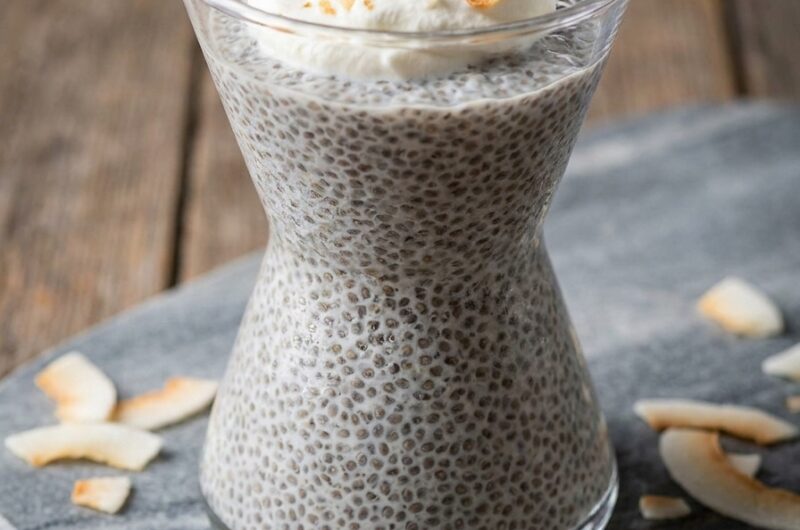
When you are craving a refreshing, tropical breakfast or snack that feels like a decadent dessert but keeps you fueled and focused for hours, this creamy coconut ginger chia pudding is the ultimate answer. It delivers a beautiful balance of smooth coconut flavor, warming spice, and velvety texture without requiring heavy creams or complicated steps. By combining high-protein staples with nutrient-dense chia seeds and a touch of fresh ginger, you get a satisfying, mousse-like consistency that sets effortlessly in the fridge. It is an exceptional option for anyone looking to streamline their weekly meal prep routine with a clean, whole-food recipe.
The true practical and structural advantages of utilizing this assembly method include:
- Silky Smooth Consistency Without Heavy Fat: Blending a cultured base with coconut milk completely transforms the texturizing phase, creating an exceptionally velvet foundation that eliminates any unwanted curds or lumps.
- No Heat Prep Routine: The entire thickening process relies strictly on cool hydration, keeping active kitchen preparation under ten minutes before letting it rest in the fridge.
- Excellent Longevity for Weekly Planning: Because the blended coconut liquid and seeds maintain their structural integrity beautifully under refrigeration, you can scale this recipe into individual jars for seamless mornings.
When you prepare this at home, you will discover that blending a small piece of fresh ginger directly into the milk base infuses the entire dish with a bright, aromatic warmth that cuts through the rich coconut undertones. In standard breakfast bowls, dry spices can sometimes taste chalky or sink to the bottom, but the high-speed blending emulsifies the fresh ginger fibers seamlessly. Every spoonful provides a delightful contrast between the cold, dense pudding, the comforting spice of ground cinnamon, and a luxurious texture that satisfies your sweet tooth while supporting steady morning energy.
Section 1: The Essential Ingredients Checklist
To get the absolute best results and a smooth, pudding-like consistency, here is exactly what you need to gather on your kitchen counter before you begin blending.
For the creamy and warming tropical pudding foundation, assemble these key items:
- 1/2 Cup Coconut Milk: Use a light coconut milk drink from a carton to keep the base refreshing, or swap in canned full-fat coconut milk if you prefer an ultra-rich, decadent cream texture.
- 1/2 Cup Cottage Cheese: The primary engine for a protein boost and smooth texture. Blending this ingredient creates a rich dairy base without adding heavy fats or heavy creams.
- 1/2 Inch Nub Fresh Ginger: A small piece of fresh root that introduces a bright, cleansing warmth and sets this flavor profile apart from standard puddings.
- 1/2 Scoop Vanilla Protein Powder: Smoothly integrates into the liquid base to provide a pleasant vanilla undertone and a natural layer of sweetness.
- 3 tbsp Chia Seeds: The critical texturizing agent that absorbs the surrounding moisture to turn the blended liquid into a spoonable gel crumb.
- 1/2 tsp Cinnamon: Adds a layer of cozy comfort that complements the fresh ginger and coconut beautifully.
Section 2: Step-by-Step Home Cooking Instructions
The preparation process for this recipe is exceptionally simple, transitioning quickly from a fast kitchen blend into a completely hands-off refrigeration rest.
Follow these direct home instructions to cook your healthy breakfast jars from scratch:
- Blending the Base: Before handling your dry seeds, place the 1/2 cup of coconut milk, 1/2 cup of cottage cheese, and the 1/2-inch nub of peeled fresh ginger directly into a small blender. Process on high speed until the liquid is completely smooth, creamy, and absolutely no visible ginger fibers or dairy curds remain.
- Mixing the Pudding: Pour the silky, blended green-tinted liquid out of your blender jar into a small mixing bowl or a clean glass mason jar. Add the 1/2 scoop of vanilla protein powder, 3 tablespoons of chia seeds, and 1/2 teaspoon of ground cinnamon. Use a hand whisk or spoon to stir the mixture thoroughly until the protein powder is completely dissolved and the seeds are distributed evenly.
- The Strategic Rest: Let the pudding jar sit undisturbed on your counter for 5 minutes to allow the seeds to begin their hydration process. After this brief rest, give the mixture a second thorough stir. This step is mandatory to break up any settling seeds and ensure the mixture thickens uniformly without forming dense clumps.
- The Overnight Chill: Cover the jar with its airtight lid or a sheet of plastic wrap and slide it into the refrigerator. Let it chill undisturbed for a minimum of 4 hours, though allowing it to rest overnight yields the absolute thickest, most dessert-like set. Stir briefly before serving the next day.
Section 3: Professional Tips for Success
To secure a flawless consistency and maximize the tropical flavor profile every single time, use these simple expert tips:
- Process the Base Thoroughly: Do not skimp on the initial blending time; ensuring the fresh ginger nub and cottage cheese are completely liquefied yields a velvet mouthfeel that perfectly mimics a gourmet pastry cream.
- Always Execute the Second Stir: Returning to the jar after five minutes is critical. If left unattended right after the initial mix, the heavy seeds will sink to the bottom of the container, creating a solid, rubbery layer.
- Elevate with Textured Toppings: Treat the set coconut base as a clean canvas. Right before eating, garnish your serving dish with toasted coconut flakes, chopped almonds, walnut pieces, hemp granola, or fresh tropical fruit slices like mango, kiwi, or banana.
- Tailor Your Sweetness: This recipe relies on your vanilla protein powder for sweetness. If you prefer a more pronounced dessert profile, feel free to whisk a small drizzle of pure maple syrup, raw honey, or a pinch of coconut sugar into the base during assembly.
Section 4: Ingredient Substitutions and Variations
This wholesome breakfast recipe is highly flexible, making it incredibly easy to swap components out based on your current pantry stock:
- The Liquid Replacements: Carton coconut milk keeps the pudding light, but you can substitute it 1:1 with unsweetened almond milk, oat milk, cashew milk, or standard dairy milk depending on your personal preference for richness.
- The Dairy Swap: If you are out of cottage cheese or prefer a tangier finish, an equal measurement of plain Greek yogurt functions beautifully as a direct replacement. For a completely dairy-free build, use a thick coconut yogurt, keeping in mind that the overall protein count will decrease.
- The Protein Accent: You can utilize your preferred brand of vanilla whey, casein, or plant-based protein powder. If you want a chocolate-twist variation, substitute chocolate protein powder and add an extra teaspoon of cocoa powder to create a rich chocolate-coconut profile.
- The Spice Alternations: If fresh ginger feels too sharp for your morning routine, you can omit it entirely for a simple vanilla-coconut finish. For a deeper winter warmth, swap the ground cinnamon for an equal amount of pumpkin pie spice or ground cardamom.
Section 5: Home Storage, Meal Prep, and Reheating
Because this is a completely cool, raw assembly, storing your meal prep containers correctly is highly straightforward:
- Refrigeration Guidelines: Sealed tightly inside glass mason jars or airtight containers, this coconut pudding will remain completely fresh and delicious in the refrigerator for up to 5 days, making it an excellent Sunday prep strategy.
- Loosening the Set: Chia seeds continue to absorb moisture the longer they sit. If your pudding appears overly dense or dry on day three or four, simply stir in an extra splash of liquid coconut milk a tablespoon at a time to restore the ideal consistency.
- Keep Crunchy Toppings Separate: If you like to pack your pudding jars to take to the office, always store your granola, nuts, or fresh fruit in separate small bags and sprinkle them on top right before consumption to prevent them from turning soggy.
- Avoid the Freezer: Freezing is absolutely not recommended for this recipe. The delicate emulsion of the blended cottage cheese and the structure of the expanded seeds will break down completely upon thawing, turning your pudding watery and separated.
Section 6: Frequently Asked Kitchen Questions
Many home cooks wonder if using a raw ginger root will leave a fibrous, woody texture in the final pudding bowl. As long as you use a small high-speed kitchen blender for the initial step, the fresh ginger nub is pulverized entirely into the liquid, leaving behind its bright, warming juice without any unpleasant strands or graininess.
Another frequent inquiry is whether full-fat canned coconut milk changes the measurement ratios. The original recipe is tailored for carton coconut milk to keep the base light, but if you choose to utilize rich canned coconut cream, the original measurements remain exactly the same. The resulting pudding will simply emerge from its overnight rest with a noticeably thicker, denser, and more luxurious mousse-like finish.
Section 7: Estimated Nutritional Value
The following values are automatically calculated as a close approximation for a single complete serving of this tropical recipe:
- Total Calories: 348 kcal
- Carbohydrates: 24g
- Protein: 30g
- Fat: 17g
- Saturated Fat: 2g
- Polyunsaturated Fat: 9g
- Monounsaturated Fat: 1g
- Trans Fat: 0.1g
- Dietary Cholesterol: 35mg
- Sodium: 503mg
- Potassium: 315mg
- Fiber: 13g
- Sugar: 4g
- Vitamin A: 69 IU
- Vitamin C: 1mg
- Calcium: 383mg
- Iron: 3mg
Important Medical Disclaimer
Please Note: I am not a doctor, certified nutritionist, or medical professional. The nutritional information and dietary suggestions provided in this article are based purely on the historical recipe records and are intended for general educational and informational purposes only. Every individual’s body, health conditions, and dietary needs are completely different. Before making any significant changes to your diet, implementing new meal plans, or consuming specific ingredient adjustments, please consult with a qualified doctor or a registered healthcare professional to ensure it aligns safely with your personal health requirements.