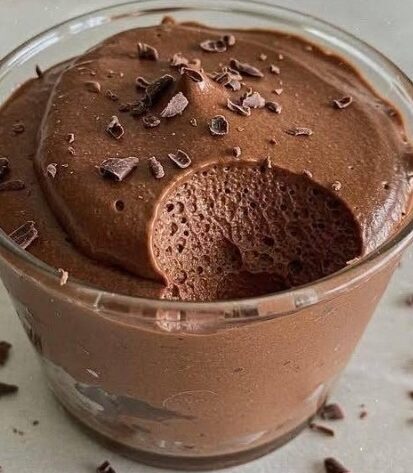
High Protein Cottage Cheese Mousse is a rich, creamy dessert that turns simple cottage cheese into a smooth and satisfying treat. It offers the indulgent texture people expect from mousse while using cottage cheese as the main ingredient instead of relying on large amounts of heavy cream. The recipe can be prepared as chocolate or vanilla mousse, and there are options both with and without protein powder. Best of all, the actual preparation takes only about five minutes before chilling.
This easy cottage cheese mousse is especially useful when you want a high protein dessert that does not require baking or cooking. Everything goes directly into a food processor or high-powered blender, where the cottage cheese curds transform into a silky mixture. After blending, the mousse is refrigerated for two to three hours so it can become thicker and develop a smoother flavor. The result works equally well as a dessert, protein-rich snack, or convenient post-workout option.
Why You Love This Recipe
The simplicity of this recipe is one of its strongest features. There are no saucepans, ovens, complicated techniques, or long ingredient lists. You simply select your preferred chocolate or vanilla variation, add the required ingredients to a blender or food processor, and blend until completely smooth. An additional minute of blending introduces more air and gives the finished mousse a lighter texture.
The recipe is also flexible enough to suit different preferences. Cottage cheese can be full-fat, reduced-fat, or fat-free, while the sweetener can be your preferred sweetener, honey, or sugar-free syrup. Chocolate lovers can choose between a protein-powder version and a version made with cocoa and instant coffee, while the vanilla variation combines vanilla extract with a small amount of fresh-tasting lemon zest.
Why Cottage Cheese Works So Well in Mousse
Cottage cheese may not immediately seem like an obvious ingredient for mousse because of its visible curds. Once thoroughly blended, however, those curds disappear and the cottage cheese develops a remarkably smooth consistency. This makes it possible to create a creamy cottage cheese dessert without using the traditional mousse method.
Blending is therefore one of the most important stages of this recipe. The goal is not simply to mix the ingredients but to completely break down the cottage cheese curds. A food processor works particularly well, although a good high-powered blender can also produce excellent results. Continue processing until there are no visible lumps, then blend for approximately one more minute to introduce additional air and create a lighter finish.
A Naturally High Protein Dessert
Cottage cheese is naturally rich in protein, which makes this mousse very different nutritionally from many conventional desserts. The supplied nutritional information estimates that the chocolate variation made with reduced-fat cottage cheese and protein powder provides approximately 55 grams of protein per serving. Even the chocolate version without protein powder is estimated to contain approximately 29 grams of protein.
Those figures make High Protein Recipes the strongest website category for this dessert. The protein powder version is especially suitable for people searching for high protein snacks, protein desserts, or post-workout recipes. The version without protein powder still obtains substantial protein from cottage cheese itself, making this recipe more naturally protein-rich than a traditional mousse based primarily on cream and sugar.
Choosing Cottage Cheese for the Best Texture
The recipe permits full-fat, reduced-fat, or fat-free cottage cheese, so you can choose according to the texture and nutritional profile you prefer. Full-fat cottage cheese generally creates the richest and silkiest consistency because of its higher fat content. Reduced-fat cottage cheese provides a middle ground, while fat-free cottage cheese creates a lighter version.
Whichever variety you select, the quality and moisture level of the cottage cheese can influence the final texture. Some brands contain more liquid than others. If your cottage cheese appears particularly watery, draining some excess liquid before blending can help produce a thicker mousse. Proper chilling will also help the mixture firm up after blending.
Chocolate Cottage Cheese Mousse With Protein Powder
For the high-protein chocolate variation, the recipe combines one cup of cottage cheese with one scoop of chocolate or vanilla protein powder, three tablespoons of unsweetened cocoa powder, half a teaspoon of vanilla extract, and two tablespoons of sweetener, honey, or sugar-free syrup. These ingredients create the most protein-rich option included in the recipe.
Chocolate protein powder naturally reinforces the cocoa flavor, while vanilla protein powder provides a softer background flavor that still works with unsweetened cocoa. Because protein powders differ considerably in sweetness and flavor intensity, tasting the mousse after blending is useful. You can then adjust the sweetness according to preference, as permitted by the original preparation method.
Chocolate Flavor Without Heavy Cream
Unsweetened cocoa powder is responsible for the rich chocolate character of both chocolate variations. Cocoa has a naturally deep and slightly bitter flavor, which works particularly well when balanced with the chosen sweetener and the mild creaminess of cottage cheese.
The protein-powder version contains three tablespoons of cocoa, while the chocolate mousse without protein powder contains four tablespoons. It is important to preserve these quantities because the two versions are formulated differently. The protein-free chocolate version also includes one teaspoon of instant coffee, which intensifies the chocolate flavor without requiring additional cocoa or other chocolate ingredients.
Why Instant Coffee Works in Chocolate Mousse
The chocolate version without protein powder contains one teaspoon of instant coffee. This is not intended to turn the dessert into coffee mousse. Instead, the coffee complements the cocoa and helps create a deeper chocolate flavor.
Add the instant coffee directly with the remaining ingredients before blending so it becomes evenly incorporated. There is no separate brewing step required in the supplied recipe. Once everything is thoroughly processed, the coffee should blend into the overall chocolate profile rather than becoming the dominant taste. This small ingredient gives the protein-powder-free version a particularly rich character while keeping the preparation extremely simple.
Vanilla Cottage Cheese Mousse
The vanilla variation provides a lighter alternative when you do not want chocolate. It combines one cup of cottage cheese, two teaspoons of vanilla extract, two tablespoons of sweetener, honey, or sugar-free syrup, and approximately half a teaspoon of lemon zest.
Vanilla creates the main flavor while lemon zest introduces subtle freshness. The lemon is not intended to make the dessert strongly citrus-flavored; instead, a small amount brightens the creamy vanilla base. This version can be particularly appealing when served with fresh berries or sliced fruit. The mild color and flavor also make it a useful base when you want a simple protein-rich dessert without cocoa powder.
How Lemon Zest Improves the Vanilla Version
Approximately half a teaspoon of lemon zest may seem like a very small addition, but citrus zest contains concentrated aromatic oils. This means a little can noticeably brighten a creamy dessert without introducing enough liquid to thin the mousse.
When preparing the zest, grate only the colored outer portion of the lemon peel and avoid excessive white pith, which can taste bitter. Add the zest directly to the blender with the cottage cheese, vanilla, and sweetener. Once blended and chilled, the lemon should remain a subtle background note rather than overpowering the vanilla.
Choosing a Sweetener
Each variation includes two tablespoons of sweetener, honey, or sugar-free syrup. This provides flexibility while keeping the original recipe structure intact. The best choice depends on your preferred taste and dietary approach.
Different sweeteners can vary significantly in sweetness, so the supplied preparation method specifically includes a tasting stage. After blending the mousse until smooth, taste it before chilling. If adjustment is needed, the original recipe allows additional sweetener or honey according to preference. Make any adjustment before refrigeration so the added sweetener can be blended evenly throughout the mousse rather than stirred into the thickened dessert later.
How to Make Cottage Cheese Mousse Smooth
Texture is crucial for this recipe because cottage cheese begins with a visibly curdled consistency. Place all the ingredients for your selected variation into a food processor or high-powered blender and process until no cottage cheese curds remain.
Do not stop blending simply because the ingredients appear mixed. Continue until the mousse is genuinely smooth. Once the curds have disappeared, process the mixture for approximately one additional minute. This extra blending incorporates more air and contributes to the light, silky texture that makes the finished dessert resemble mousse rather than simply flavored cottage cheese.
Food Processor vs Blender
A food processor is particularly effective for producing a consistently smooth cottage cheese mousse. Its blade can break down the curds while repeatedly moving the thick mixture around the bowl. A quality blender is another suitable option, particularly if its design handles thick mixtures well.
Whichever appliance you choose, stop and scrape down the sides if necessary so no cottage cheese remains unprocessed around the edges. Resume blending until the mixture is uniform. For a single serving, a smaller processor may be convenient, while a larger food processor or blender can be more practical if the recipe is being prepared in larger quantities for meal planning.
Why Chilling Cottage Cheese Mousse Matters
Technically, you can eat the mousse immediately after blending, but chilling it for two to three hours produces a noticeably better result. During refrigeration, the mixture becomes firmer and the individual flavors have time to settle into a more unified dessert.
Cold mousse also has a more refreshing and dessert-like character. After blending, transfer the mixture to a serving bowl or airtight container, cover it, and refrigerate for the full recommended time whenever possible. If you are making the mousse ahead for later in the day, this chilling period requires no additional work and can actually make serving more convenient.
How to Make a Thicker Cottage Cheese Mousse
If your cottage cheese contains a noticeable amount of excess liquid, the original notes recommend straining it before blending. Removing some liquid can help produce a thicker consistency without altering the primary ingredient quantities.
The source also mentions approximately one-quarter teaspoon of xanthan gum as an alternative when straining is not possible. However, because xanthan gum is not part of the main ingredient lists and your requirement is to preserve the original ingredients, I recommend treating this strictly as an optional note rather than adding it to the recipe card’s core ingredients. In most cases, thorough blending followed by adequate chilling should be your first approach.
Avoiding a Grainy Cottage Cheese Mousse
A grainy texture usually means the cottage cheese has not been blended long enough. Continue processing until the visible curds have completely disappeared. Depending on the power and design of your blender or food processor, this may take a little longer than expected.
Using cottage cheese with a pleasant, mild flavor also helps because there are very few ingredients to disguise an overly strong dairy taste. Full-fat cottage cheese generally produces the silkiest result, although reduced-fat and fat-free options remain permitted. Finally, allow enough chilling time. Refrigeration improves both thickness and the overall impression of creaminess.
How to Serve High Protein Cottage Cheese Mousse
This mousse can be served in a small dessert bowl, glass, or jar after chilling. Because it requires no cooking, it is particularly convenient when you want to prepare dessert ahead of time without using the oven.
The chocolate variation works as a simple high protein chocolate dessert, while the vanilla mousse pairs particularly well with fresh berries or sliced fruit according to the original notes. It can also be enjoyed as a post-workout snack, afternoon treat, or high-protein breakfast. These different serving possibilities make it more versatile than a dessert intended only for special occasions.
Is Cottage Cheese Mousse Good for Meal Prep?
Yes, this mousse can work well for short-term meal preparation because it is stored cold and requires no reheating. Prepare the mousse, transfer it to an airtight container, and refrigerate it after blending.
The supplied recipe recommends storing leftovers in the refrigerator for up to three days. This allows you to prepare the mousse ahead of time and keep it ready for a quick dessert or snack. Keep the container properly sealed to protect its texture and prevent it from absorbing other refrigerator odors. Stirring gently before serving can help if a small amount of separation occurs during storage.
Is Cottage Cheese Mousse a Healthy Dessert?
This recipe can reasonably fit within a health-focused eating pattern because cottage cheese provides substantial protein and the dessert does not depend on heavy cream for its primary texture. However, the exact nutritional profile depends on the cottage cheese, protein powder, and sweetener selected.
For website publishing, it is better to emphasize factual qualities such as high protein, no-bake preparation, and cottage cheese as the main ingredient rather than making broad medical claims. The supplied nutrition information demonstrates particularly high protein levels in both calculated chocolate variations, making “high protein dessert” a much stronger and more specific description than simply calling the mousse healthy.
Is High Protein Cottage Cheese Mousse Keto?
The answer depends on which ingredients you select, particularly the sweetener and protein powder. Honey would increase the carbohydrate and sugar content, while a suitable sugar-free syrup would create a different nutritional profile.
Because the original recipe intentionally allows multiple ingredient choices, it should not automatically be labeled as a strict keto recipe without calculating the exact version prepared. For your website, High Protein Recipes is a much clearer primary category because high protein content is central to the recipe regardless of whether you choose the chocolate protein-powder variation or another version.
Is Cottage Cheese Mousse Gluten-Free?
None of the basic cottage cheese, cocoa, vanilla, lemon zest, or coffee ingredients inherently require wheat flour in this recipe. However, packaged protein powders, sweeteners, flavorings, and other products can vary by manufacturer.
If you intend to classify the finished dessert specifically as gluten-free for people with celiac disease or strict gluten avoidance, verify that every packaged ingredient you use is appropriately labeled gluten-free and has been handled according to your required standard. From your four website categories, High Protein Recipes remains the better primary classification because protein is the defining feature of the dessert.
Notes for the Best Cottage Cheese Mousse
For the smoothest mousse, blend the cottage cheese thoroughly until every visible curd disappears, then continue processing for approximately one additional minute. Full-fat cottage cheese produces the richest texture, while reduced-fat and fat-free versions can be used when a lighter result is preferred. If the cottage cheese is unusually watery, draining excess liquid before blending can help produce a thicker consistency.
Taste the mousse after blending and adjust sweetness only if necessary. Most importantly, give it two to three hours in the refrigerator before serving whenever time permits. The chilling period helps thicken the mousse and allows the cocoa, vanilla, lemon, coffee, protein powder, and sweetener to develop into a more balanced flavor. Store leftovers covered in the refrigerator for up to three days.
Why This High Protein Cottage Cheese Mousse Recipe Works
This recipe naturally targets useful search phrases such as High Protein Cottage Cheese Mousse, cottage cheese mousse, high protein dessert, cottage cheese chocolate mousse, protein mousse, healthy protein dessert, cottage cheese dessert, chocolate protein mousse, no-bake protein dessert, cottage cheese protein dessert, high protein snack, and protein powder dessert. These phrases accurately describe what readers are searching for without requiring unnatural keyword repetition.
The recipe itself is equally straightforward. Cottage cheese supplies the creamy base and protein, cocoa creates rich chocolate flavor, vanilla adds warmth, optional protein powder substantially increases protein, and the permitted sweeteners balance the flavor. Thorough blending transforms the cottage cheese into a silky base, while two to three hours of refrigeration provides the thicker, colder consistency associated with mousse.
High Protein Cottage Cheese Mousse
A smooth and creamy High Protein Cottage Cheese Mousse made in minutes with simple ingredients. Choose a chocolate or vanilla version, with or without protein powder, for an easy no-bake protein dessert or snack.
1
servings5
minutes2
hours327
kcal2
hours5
minutesIngredients
- Chocolate Version With Protein Powder
1 cup cottage cheese
1 scoop chocolate or vanilla protein powder, optional
3 tbsp unsweetened cocoa powder
½ tsp vanilla extract
2 tbsp sweetener, honey, or sugar-free syrup
- Vanilla Version Without Protein Powder
1 cup cottage cheese
2 tsp vanilla extract
2 tbsp sweetener, honey, or sugar-free syrup
About ½ tsp lemon zest
- Chocolate Version Without Protein Powder
1 cup cottage cheese
4 tbsp unsweetened cocoa powder
2 tbsp sweetener, honey, or sugar-free syrup
1 tsp instant coffee
Instructions
- Choose the chocolate or vanilla version.
- Add all ingredients to a food processor or blender.
- Blend until completely smooth.
- Blend for 1 more minute for a lighter texture.
- Taste and adjust sweetness if needed.
- Transfer the mousse to a serving bowl.
- Cover and refrigerate for 2–3 hours.
- Serve chilled.
Nutrition Facts
1 servings per container
- Amount Per ServingCalories327
- % Daily Value *
- Total Fat
3.5g
4%
- Total Carbohydrate
19g
7%
- Protein 55g 111%
* The % Daily Value tells you how much a nutrient in a serving of food contributes to a daily diet. 2,000 calories a day is used for general nutrition advice.