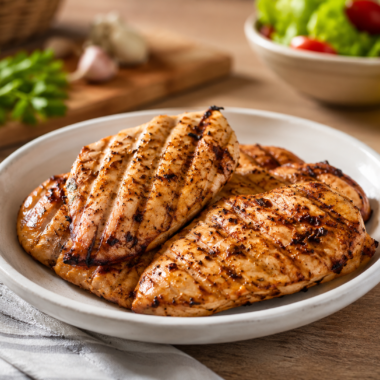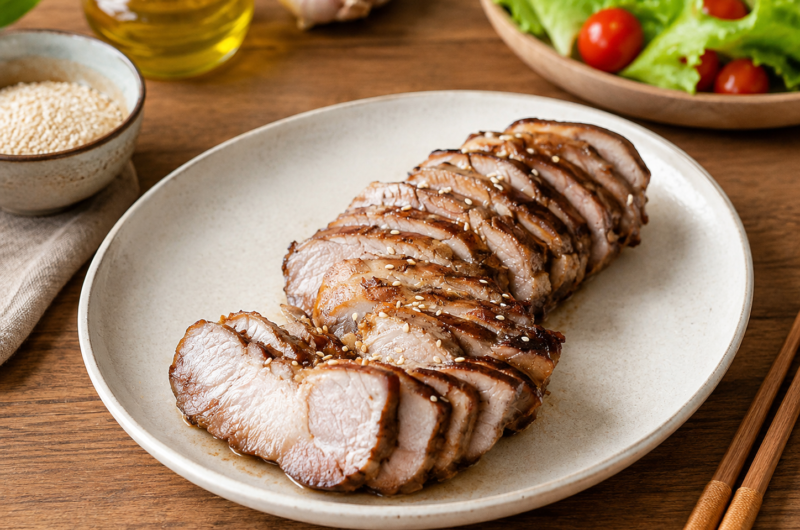
Asian marinated pork tenderloin is a flavorful and high protein dinner made with pork, coconut aminos, garlic, rice vinegar, maple syrup, ginger, and simple seasonings. The pork is marinated to absorb the savory and slightly sweet flavors before being seared in a hot skillet and finished in the oven. This cooking method gives the outside a good brown color while helping the center stay tender and juicy.
Why Pork Tenderloin Works Well for This Recipe
Pork tenderloin is well suited to quick marinating and high-heat cooking. It is a naturally tender cut of meat and can absorb the flavors of the marinade without needing a long cooking process. The sear-and-bake method also helps create a browned exterior before the pork finishes cooking evenly in the oven.
Using 3 lb of pork tenderloin makes this recipe suitable for preparing several servings at one time. The tenderloins are coated in the marinade before cooking, allowing the flavor to reach the surface of the meat. Once sliced thinly after resting, the pork is easy to portion for dinner or planned meals.
The thickness of the pork can affect the final cooking time. For that reason, checking the center with a digital meat thermometer is more reliable than depending only on the clock. The original method directs the pork to cook until the center reaches 145 degrees F, helping you avoid removing it too early or cooking it longer than needed.
Coconut Aminos Create the Base of the Marinade
Coconut aminos form the main liquid base of this Asian pork marinade. The 1 cup used in the recipe provides a savory flavor that combines well with garlic, rice vinegar, maple syrup, and ginger. It also helps coat the pork evenly when the meat is placed in a resealable bag or shallow baking dish.
The marinade is simple to mix. Place the ingredients together in a medium bowl or small saucepan and whisk until combined. This method spreads the garlic, ground ginger, salt, and black pepper throughout the liquid, helping each tenderloin receive a consistent coating during the marinating stage.
The pork should be coated well before it is placed in the refrigerator. Turning the tenderloins in the marinade helps cover the entire surface. This is an easy step, but it makes a difference because the marinade is the main source of flavor in the finished Asian marinated pork tenderloin.
Garlic and Ginger Add Familiar Asian-Inspired Flavor
The recipe uses 4 garlic cloves, minced, along with 1 teaspoon of ground ginger. These ingredients bring warm and savory flavor to the marinade without making the ingredient list complicated. Garlic gives the mixture a deeper taste, while ginger adds a mild warmth that works well with pork.
Mincing the garlic allows it to spread more evenly through the coconut aminos. When whisked with the other ingredients, small pieces of garlic remain throughout the marinade and cling to the pork. This gives the outside of the tenderloin a more flavorful coating during the marinating and cooking stages.
Ground ginger is convenient because it blends directly into the liquid. It combines with the garlic, vinegar, and maple syrup to create the Asian-inspired flavor of the recipe. The amount is kept simple, allowing the pork itself to remain the main focus rather than being covered by an overly strong seasoning mixture.
Rice Vinegar and Maple Syrup Balance the Flavor
Rice vinegar provides a light tang that balances the savory coconut aminos. The recipe uses 2 tablespoons, giving the marinade acidity without making it sharply sour. This slight acidity works well with pork and adds another layer of flavor to the mixture.
The 2 tablespoons of maple syrup bring a mild sweetness to the marinade. Combined with the vinegar, it creates a balance between sweet and tangy flavors. The maple syrup also works with the savory ingredients rather than turning the pork into a sweet dish.
Whisking the rice vinegar and maple syrup thoroughly into the coconut aminos helps create an even marinade. Once combined with garlic, ginger, salt, and pepper, the mixture is ready for the pork. Keeping the ingredients in their original amounts helps maintain the intended flavor and nutritional information of the recipe.
Preparing the Asian Pork Marinade
Start by choosing a medium bowl or small saucepan large enough to mix the marinade. Add the coconut aminos, minced garlic, rice vinegar, maple syrup, ground ginger, sea salt, and black pepper. Whisk the ingredients together until the liquid and seasonings are evenly combined.
The supplied instructions mention sesame oil if using, but sesame oil is not included in the original ingredient list provided. To keep the ingredients exactly as supplied, the recipe card uses only the listed ingredients and does not add sesame oil. The marinade remains flavorful with the original coconut aminos, garlic, vinegar, maple syrup, ginger, salt, and pepper.
After mixing, the marinade should have the seasonings spread evenly throughout the liquid. This prevents one area of the pork from receiving most of the garlic or ginger. A quick whisk before adding the meat is all that is needed to prepare the mixture for the next stage.
Marinating the Pork Tenderloin
Pour the prepared marinade into a resealable bag or shallow baking dish. Add the pork tenderloins and turn them until they are coated well on all sides. Make sure as much of the surface as possible comes into contact with the marinade before placing the pork in the refrigerator.
The minimum marinating time is 30 minutes. This allows the surface of the pork to absorb the flavors of the garlic, ginger, coconut aminos, rice vinegar, and maple syrup. The original instructions also allow the pork to marinate for 8 to 24 hours when preparing it further in advance.
For the listed total recipe time, use the 30-minute marinating period. A longer marinating time will increase the total preparation schedule, so it should be planned separately if you choose to prepare the pork ahead. Either way, keep the pork refrigerated while it is marinating.
Preparing the Oven and Skillet
When the pork has finished marinating, preheat the oven to 400 degrees F. This temperature is used for the roasting stage after the tenderloin has been seared. Preheating before the searing process helps ensure the oven is ready when the pork is browned and needs to finish cooking.
Place a large oven-safe skillet over medium-high heat. Allow the skillet to become hot before adding the tenderloin for searing. A properly heated pan helps the pork develop a browned exterior and gives the finished dish more color and flavor.
If an oven-safe skillet is not being used, the seared pork can be moved to a foil-lined baking dish for the roasting stage. Preparing the baking dish in advance can make the transfer quicker. The goal is to move the pork to the oven after searing without leaving it at room temperature for an unnecessary amount of time.
Searing Pork Tenderloin Before Baking
Place the marinated pork tenderloins in the hot skillet and sear each side for about 4 to 6 minutes until browned. This step is important for building color on the outside of the meat before the pork enters the oven. The searing stage does not need to cook the tenderloin completely through.
Turn the pork carefully so each side has enough contact with the hot skillet. Browning can vary depending on the thickness of the tenderloin and the heat of the pan. Focus on developing an even brown exterior rather than trying to finish the pork entirely during this stage.
After searing, the tenderloin is ready for the oven. If using an oven-safe skillet, transfer the skillet directly into the preheated oven. If the skillet is not suitable for oven use, move the pork to the prepared foil-lined baking dish and continue with the roasting stage.
Roasting the Pork at 400 Degrees F
Roast the seared pork tenderloin at 400 degrees F for approximately 20 to 25 minutes. The exact time can change depending on the thickness of the pork. Thicker tenderloins may need closer to the longer end of the stated range, while thinner pieces may cook more quickly.
Instead of relying only on the cooking time, check the center of the pork with a digital meat thermometer. The original method calls for an internal temperature of 145 degrees F. Insert the thermometer into the thickest section to get the most useful reading.
Checking the temperature carefully helps prevent overcooking. Pork tenderloin can become less tender when cooked longer than necessary. Once the center reaches the stated temperature, remove the pork from the oven and move on to the resting stage before slicing.
Why a Meat Thermometer Is Useful
A digital meat thermometer is one of the easiest ways to monitor pork tenderloin while it cooks. Since tenderloins can vary in thickness, two pieces may not finish at exactly the same time. A thermometer helps you judge each piece based on its internal temperature.
Insert the thermometer into the thickest part of the meat without pushing the probe through to the other side. Avoid measuring close to the outer surface because that area can be hotter than the center. The center temperature gives a better indication of how far the pork has cooked.
The target in this recipe is 145 degrees F. Once that temperature is reached, the pork can be removed from the oven and rested. This approach is more accurate than cutting the meat open repeatedly to check its appearance, which can also cause juices to escape.
Resting the Pork After Cooking
Transfer the cooked pork tenderloin to a cutting board after removing it from the oven. Cover it loosely with aluminum foil and allow it to rest for 5 to 10 minutes. This short waiting period is part of the cooking process and should not be skipped when possible.
Resting gives the juices inside the meat time to settle before slicing. Cutting the pork immediately can cause more liquid to run onto the cutting board. Allowing the tenderloin to rest first can help keep the slices moist and make the finished meat easier to serve.
Loose foil is enough for the resting stage. There is no need to wrap the pork tightly. After 5 to 10 minutes, remove the foil and use a sharp knife to cut the tenderloin into thin slices for serving.
How to Slice Pork Tenderloin
A sharp knife makes slicing the rested pork easier and helps create cleaner pieces. The original instructions recommend slicing the Asian pork tenderloin thinly. Thin slices are convenient for serving because the seasoning and browned outer surface are distributed across more pieces.
Place the rested tenderloin securely on the cutting board before slicing. Cut gradually rather than pressing down with a dull blade, which can tear the meat. Consistent slices also make the pork easier to divide into portions.
Serve the sliced pork after cutting. The tenderloin has already been flavored with the coconut aminos marinade, garlic, rice vinegar, maple syrup, ginger, sea salt, and black pepper, so no additional ingredients are required to complete the original recipe.
Questions About Asian Marinated Pork Tenderloin
How long should pork tenderloin marinate?
The pork should marinate for at least 30 minutes. The original method also allows 8 to 24 hours for a longer marinating period. For the stated total time of 65 minutes, use the minimum 30-minute marinating time.
What temperature should the pork reach?
Use a digital meat thermometer to check the thickest part of the pork. The original instructions specify cooking until the center reaches 145 degrees F. This is more dependable than judging doneness by cooking time alone.
Can I skip the searing step?
The original cooking method uses a sear-and-bake process. Searing each tenderloin for 4 to 6 minutes per side creates a browned exterior before the pork finishes roasting in the oven at 400 degrees F.
Why should the pork rest before slicing?
Allow the pork to rest loosely covered with foil for 5 to 10 minutes. This gives the meat time to settle before cutting and can help it retain more moisture when sliced into thin portions.
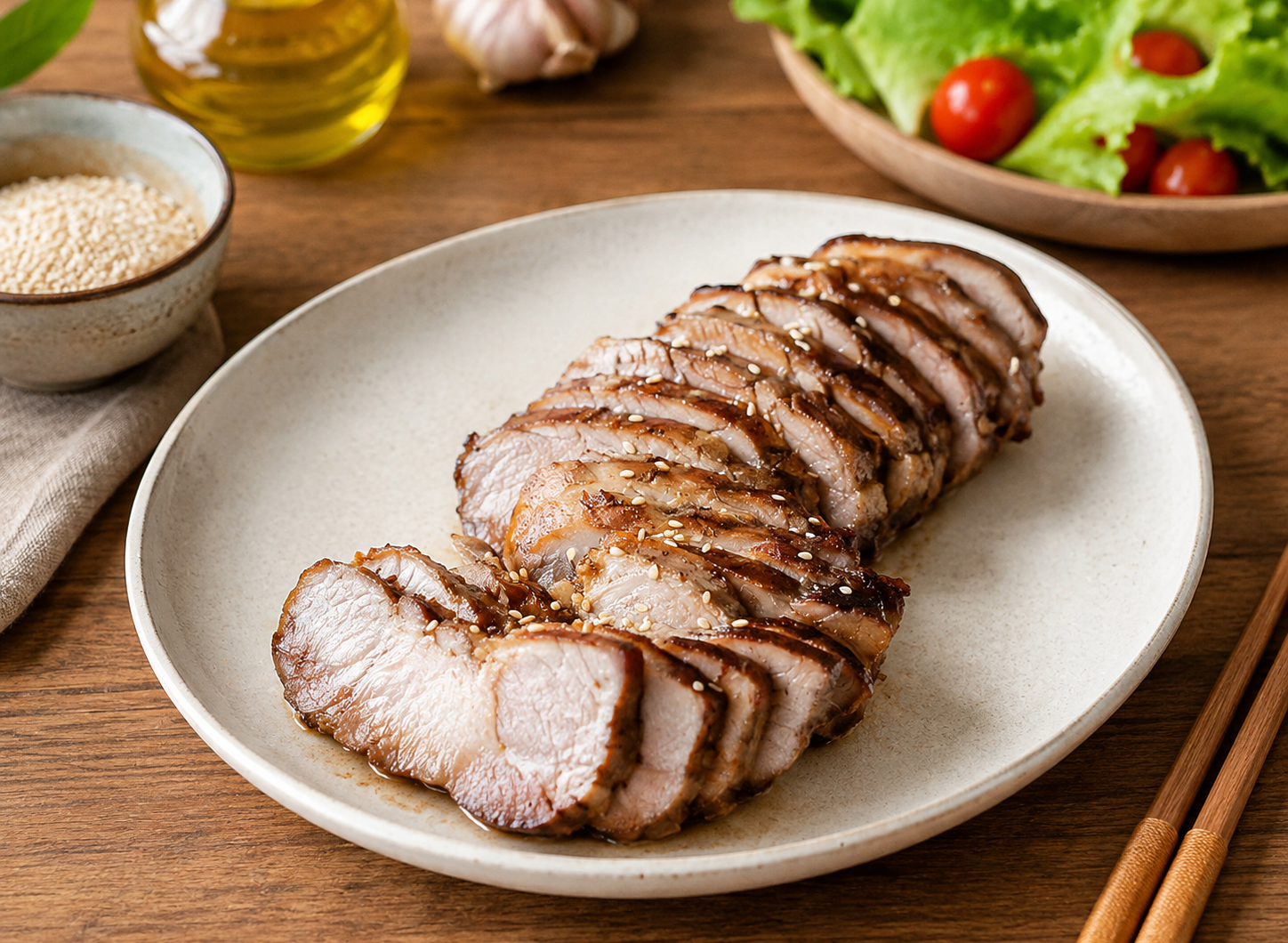
Asian Marinated Pork Tenderloin with Coconut Aminos
A flavorful pork tenderloin recipe marinated with coconut aminos, garlic, rice vinegar, maple syrup, ginger, sea salt, and black pepper. The pork is seared until browned, roasted at 400 degrees F, rested, and sliced thinly for a high protein dinner.
8
servings5
minutes30
minutes252
kcal30
minutes1
hour5
minutesIngredients
3 lb pork tenderloin
1 cup coconut aminos
4 garlic cloves, minced
2 tbsp rice vinegar
2 tbsp maple syrup
1 tsp ground ginger
1/2 tsp sea salt
1/2 tsp black pepper
Instructions
- In a medium bowl or small saucepan, whisk together the coconut aminos, minced garlic, rice vinegar, maple syrup, ground ginger, sea salt, and black pepper until evenly combined.
- Pour the marinade into a resealable bag or shallow baking dish. Add the 3 lb pork tenderloin, coat well on all sides, and refrigerate for at least 30 minutes. For a longer marinating time, refrigerate for 8 to 24 hours.
- Preheat the oven to 400 degrees F. Heat a large oven-safe skillet over medium-high heat. Sear each tenderloin for 4 to 6 minutes per side until the outside is browned.
- Transfer the oven-safe skillet to the oven, or move the pork to a foil-lined baking dish. Roast for 20 to 25 minutes, depending on the thickness of the tenderloin.
- Check the thickest part with a digital meat thermometer. Continue cooking until the center reaches 145 degrees F, then remove the pork from the oven.
- Place the pork on a cutting board, cover loosely with aluminum foil, and rest for 5 to 10 minutes. Slice thinly with a sharp knife and serve.
Nutrition Facts
- Calories: 252kcal
- Fat: 6g
- Carbohydrates: 10g
- Fiber: 0.1g
- Sugar: 3g
- Protein: 35g