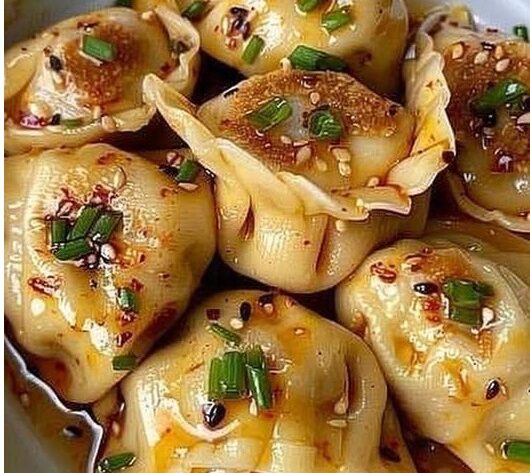
These dumplings replace a traditional meat filling with a wholesome vegetable blend — finely grated cauliflower, shredded carrots, chopped cabbage, garlic, ginger, and soy sauce — wrapped in vegan dumpling wrappers and cooked using a two-stage technique: pan-frying first for a crispy golden bottom, then steaming to cook the filling through and keep the wrapper tender. A final uncovered moment lets any remaining water evaporate so the bottoms crisp back up before serving.
Because this recipe combines two distinct cooking methods in sequence — frying and steaming — getting the timing and heat management right at each stage is what determines whether the dumplings turn out properly crispy on the bottom and tender everywhere else.
Understanding the Filling
Since the filling is the heart of this recipe, it helps to understand what each vegetable and seasoning contributes:
Cauliflower, finely grated or chopped, creates a satisfying texture that absorbs the seasonings beautifully. Its mild flavor makes it an ideal base for soaking up the garlic, ginger, and soy sauce.
Carrots add natural sweetness and beautiful color, balancing the savory flavors of soy sauce and garlic while contributing a pleasant texture that keeps the filling hearty without becoming dense.
Cabbage provides freshness, moisture, and a delicate crunch, rounding out the vegetable blend.
Garlic and ginger add aromatic depth — garlic delivers bold savory notes, while ginger contributes subtle warmth and brightness.
Soy sauce ties everything together with rich umami character, enhancing the natural sweetness of the vegetables while giving the cauliflower a savory finish.
Black pepper adds gentle heat without overpowering the delicate vegetable flavors.
Kitchen Workflow: The Order That Actually Saves Time
Here’s the most efficient order to work through this recipe:
Step 1 — Make the filling. In a medium mixing bowl, combine the grated cauliflower, shredded carrots, chopped cabbage, minced garlic, grated ginger, soy sauce, and black pepper. Mix thoroughly until the vegetables are evenly coated with the seasonings.
Step 2 — Fill the dumplings. Lay one vegan dumpling wrapper on a clean surface. Spoon a small amount of the vegetable filling into the center. Lightly moisten the wrapper edges with water, fold over, and firmly press the edges together to seal. Repeat with the remaining wrappers and filling.
Step 3 — Crisp the bottoms. Heat the olive oil in a large non-stick skillet over medium heat. Arrange the dumplings in a single layer without overcrowding the pan. Cook for about 2–3 minutes, or until the bottoms turn lightly golden and crisp.
Step 4 — Steam until tender. Carefully pour about ¼ cup of water into the skillet. Immediately cover with a lid and allow the dumplings to steam for 5–6 minutes, or until the wrappers are tender and the vegetable filling is fully cooked.
Step 5 — Finish and serve. Remove the lid and continue cooking for another minute, allowing any remaining water to evaporate so the bottoms become crispy again. Serve warm with the prepared dipping sauce.
Mixing the entire filling first, before touching a single wrapper, means the filling has time for the seasonings to distribute evenly while you set up your wrapping station — there’s no need to season and fill in a rushed, simultaneous process.
Component Organization: Setting Up Your Station
A well-organized station makes the wrapping stage go smoothly:
- A medium mixing bowl — for combining and thoroughly mixing the vegetable filling
- A clean, flat surface — for laying out and filling the wrappers one at a time
- A small dish of water — for moistening the wrapper edges to create a secure seal
- A damp towel — to keep unused wrappers covered and prevent them from drying out
- A large non-stick skillet with a lid — for both the pan-frying and steaming stages
- A small serving bowl — for mixing the dipping sauce
Keeping unused wrappers covered with a damp towel while you work through filling and sealing each one is a small but important detail — dry, cracked wrappers are difficult to fold and seal properly.
Step-by-Step Assembly Strategy
Assembly is where the wrapping technique really matters:
- Lay one wrapper at a time on a clean surface, keeping the rest covered under a damp towel.
- Spoon a modest amount of filling into the center — avoid overfilling, since this makes the wrapper difficult to seal properly.
- Moisten the wrapper edges lightly with water before folding, which creates a tight seal that helps the dumpling hold its shape during cooking.
- Fold and press the edges together firmly, checking that there are no gaps where filling could leak out during cooking.
- Repeat with the remaining wrappers, working through them one at a time to keep the process organized.
- Once all the dumplings are assembled, arrange them in a single layer in the skillet without overcrowding, so each one has room to crisp evenly.
The Two-Stage Cooking Technique
The cooking method for these dumplings combines two techniques in sequence:
- Pan-frying first develops a beautifully crisp, golden base that adds texture and visual appeal.
- Steaming next — achieved by adding a small amount of water and covering the skillet — allows the dumplings to cook gently until the wrappers become perfectly tender and the vegetables are fully cooked through.
- A final uncovered moment lets any remaining moisture evaporate, so the bottoms become crispy again just before serving.
This sequence is what produces dumplings that are crisp on the bottom, tender everywhere else, and fully cooked through without becoming greasy, the way an all-fried preparation might.
Serving and Presentation
Arrange the cooked dumplings on a serving platter with a small bowl of soy dipping sauce in the center. Garnish with chopped green onions, toasted sesame seeds, or fresh herbs if desired. Their golden crispy bottoms and neatly folded wrappers create a restaurant-quality appearance.
Easy Recipe Customizations
While the original vegetable combination is delicious on its own, optional additions such as finely chopped mushrooms, green onions, spinach, or fresh cilantro can add more flavor and texture. A pinch of red pepper flakes or a drizzle of chili oil can be added for those who enjoy a little extra heat.
Helpful Cooking Tips
- Finely chop or grate the cauliflower so the filling cooks evenly.
- Do not overfill the wrappers, as this makes them difficult to seal.
- Keep unused dumpling wrappers covered with a damp towel to prevent drying out.
- Cook in batches if necessary to avoid overcrowding the skillet.
- Serve immediately for the best crispy texture.
Meal Prep and Freezer Strategy
These dumplings work well for meal preparation — assemble a large batch ahead of time and refrigerate or freeze them before cooking. Frozen dumplings can be transferred directly to the skillet without thawing, making them an ideal option for busy weeknights.
Storage Strategy
Refrigerator: Store leftover cooked dumplings in an airtight container for up to 3 days. Reheat in a lightly oiled skillet to restore their crispy bottoms.
Freezer: Uncooked assembled dumplings can be frozen for up to 2 months and cooked directly from frozen by adding a few extra minutes to the steaming time.
Practical Notes for Best Results
- Grate or finely chop the cauliflower so it cooks evenly and blends seamlessly with the rest of the filling.
- Mix the filling thoroughly so the seasonings coat all the vegetables evenly before wrapping.
- Keep portions modest when filling each wrapper, and seal the edges firmly with moistened fingers to prevent leaks.
- Don’t skip the steaming stage — this is what fully cooks the filling and softens the wrapper.
- Let the final uncovered minute do its job to re-crisp the bottoms before serving.
- Cook from frozen for convenience, simply adding a few extra minutes to the steaming step.
Part 2: Straightforward Recipe Card
Homemade Vegan Cauliflower Dumplings
Description: A flavor-packed, plant-based dumpling filled with finely grated cauliflower, carrots, cabbage, garlic, and ginger, cooked crispy on the bottom and tender inside using a two-stage pan-fry and steam method.
Ingredients:
For the vegetable filling:
- 1 small cauliflower, finely grated or very finely chopped
- 1 cup shredded carrots
- ½ cup finely chopped cabbage
- 2 garlic cloves, minced
- 2 tablespoons soy sauce
- 1 teaspoon freshly grated ginger
- ½ teaspoon ground black pepper
- Vegan dumpling wrappers
- 2 tablespoons olive oil (for pan-frying)
Optional (authentic additions):
- 1 tablespoon finely chopped green onions
- 1 teaspoon toasted sesame seeds for garnish
For the easy dipping sauce:
- 2 tablespoons soy sauce
- 1 teaspoon rice vinegar
- ½ teaspoon sesame oil
Instructions:
- In a medium mixing bowl, combine the grated cauliflower, shredded carrots, chopped cabbage, minced garlic, grated ginger, soy sauce, and black pepper. Mix thoroughly until the vegetables are evenly coated with the seasonings.
- Lay one vegan dumpling wrapper on a clean surface. Spoon a small amount of the vegetable filling into the center. Lightly moisten the wrapper edges with water, fold over, and firmly press the edges together to seal. Repeat with the remaining wrappers and filling.
- Heat the olive oil in a large non-stick skillet over medium heat. Arrange the dumplings in a single layer without overcrowding the pan. Cook for about 2–3 minutes, or until the bottoms turn lightly golden and crisp.
- Carefully pour about ¼ cup of water into the skillet. Immediately cover with a lid and allow the dumplings to steam for 5–6 minutes, or until the wrappers are tender and the vegetable filling is fully cooked.
- Remove the lid and continue cooking for another minute, allowing any remaining water to evaporate so the bottoms become crispy again. Serve warm with the prepared dipping sauce.
- For the dipping sauce, mix together the soy sauce, rice vinegar, and sesame oil in a small serving bowl. Stir well and serve alongside the hot dumplings.
Notes:
- Use certified vegan dumpling wrappers.
- Freshly grated ginger provides the best flavor.
- Add chopped green onions as an optional ingredient for extra freshness, and sprinkle toasted sesame seeds over the finished dumplings for additional texture and presentation.
- Storage: refrigerate leftover cooked dumplings in an airtight container for up to 3 days, reheating in a lightly oiled skillet to restore crispiness. Uncooked assembled dumplings can be frozen for up to 2 months and cooked directly from frozen by adding a few extra minutes to the steaming time.
Medical Disclaimer: The nutritional and dietary information provided in this document is for general informational and educational purposes only and is not intended as, and should not be substituted for, professional medical or nutritional advice, diagnosis, or treatment. Individuals with food allergies, dietary restrictions, or medical conditions—including but not limited to soy allergies, gluten sensitivities, or sodium-restricted diets—should consult a qualified healthcare provider or registered dietitian before making changes to their diet. Reliance on any information provided in this document is solely at your own risk.