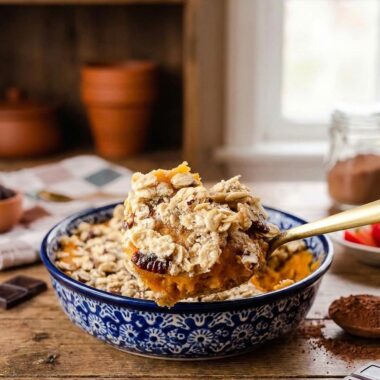
Cottage cheese chocolate pudding is a smooth, creamy, high protein dessert made with a few simple ingredients. This easy chocolate pudding recipe blends cottage cheese with cocoa powder, protein powder, honey or maple syrup, and milk to create a rich dessert without any cooking. After blending, the mixture chills in the refrigerator until it becomes thicker and ready to serve.
This no-bake protein pudding is a useful option when you want a sweet snack with a good amount of protein. According to the supplied nutrition information, each serving contains 37 grams of protein. The combination of cottage cheese and protein powder gives the pudding its protein content, while cocoa powder creates the familiar chocolate flavor.
The recipe takes 10 minutes to prepare and requires no cooking. It then needs 60 minutes of cooling time, bringing the total minimum time to 70 minutes. Most of this time is spent chilling in the refrigerator, so the hands-on preparation remains quick and simple.
The Creamy Texture of Blended Cottage Cheese
Cottage cheese may not look like a traditional pudding ingredient before blending, but its texture changes completely when processed until smooth. Using a blender breaks down the curds and creates a creamier mixture. This step is important because the pudding should be blended thoroughly before it is chilled.
The recipe uses 1 cup of low-fat cottage cheese, with 4% cottage cheese used in the original version. The cottage cheese provides the main body of the dessert. When combined with milk and the remaining ingredients, it becomes easier to blend into a smooth chocolate mixture.
For the smoothest result, continue blending until there are no visible pieces of cottage cheese remaining. The finished mixture should look even and creamy before it is divided into serving cups. Since the recipe does not involve cooking, proper blending is the main step for achieving the intended pudding-like texture.
Cocoa Powder Gives the Pudding Its Chocolate Flavor
Two tablespoons of cocoa powder give this cottage cheese dessert its chocolate taste. Cocoa powder blends with the cottage cheese and milk to create a deep chocolate color. It also works well with the chocolate or vanilla protein powder listed in the ingredients.
If chocolate protein powder is used, the cocoa flavor becomes stronger and more noticeable. Vanilla protein powder can also be used according to the original ingredient list, creating a slightly different balance between the chocolate and sweet flavors. Both options remain part of the original recipe.
Blending the cocoa powder well is important for an even result. Dry cocoa can sometimes remain in small pockets if the mixture is not processed long enough. Continue blending until the pudding looks smooth and the chocolate color is consistent throughout.
Protein Powder Adds More Protein and Thickness
The recipe includes 2 scoops of protein powder and allows either chocolate or vanilla flavor. This ingredient helps increase the protein content while also contributing to the pudding’s final texture. As the mixture chills, the protein powder can help the blended dessert become thicker.
The original recipe used chocolate protein powder, but vanilla is also listed as an option. The choice can change the flavor slightly without changing the basic method. Chocolate powder creates a more intense chocolate pudding, while vanilla can give the cocoa powder a milder chocolate taste.
Add both scoops directly to the blender with the cottage cheese, cocoa powder, sweetener, and milk. Blending everything together at once makes preparation easy. Make sure the powder is fully incorporated so the finished pudding does not contain dry or grainy sections.
Honey or Maple Syrup Brings Sweetness
The pudding uses 2 tablespoons of honey or maple syrup. This adds sweetness to balance the cocoa powder and the natural tang of the cottage cheese. The amount remains moderate enough to support the chocolate flavor without requiring a large number of additional ingredients.
Honey and maple syrup have different flavors, so either choice can slightly change the final taste. Honey has a familiar floral sweetness, while maple syrup adds its own distinct flavor. The original recipe allows both, giving you a simple choice based on what you have available.
Add the sweetener directly to the blender before processing the mixture. This helps it combine evenly with the cottage cheese and milk. Once blended, the pudding should have a balanced sweet and chocolate flavor before it is transferred to the refrigerator for chilling.
Milk Helps the Ingredients Blend Smoothly
The recipe includes 1/4 cup of 2% milk, although another milk of choice can be used as stated in the original ingredients. The milk adds enough liquid to help the blender process the cottage cheese, cocoa powder, protein powder, and sweetener into a smooth mixture.
Without enough liquid, the mixture may be difficult for some blenders to process. The listed amount helps the ingredients move and combine while maintaining a thick consistency. There is no need to add extra liquid beyond the original ingredient amount when following this version.
The type of milk can influence the richness slightly. The original instructions mention using full-fat cottage cheese if possible and otherwise using 4%. Since the ingredient list specifically states low-fat cottage cheese with 4% used, the recipe keeps that ingredient presentation unchanged.
How to Blend the Chocolate Protein Pudding
Place the cottage cheese, cocoa powder, protein powder, honey or maple syrup, and 2% milk into a blender. Make sure all of the ingredients are included before starting. Blend the mixture until it becomes smooth, creamy, and evenly colored.
Depending on the power of the blender, you may need to stop briefly and check the consistency. The goal is to fully blend the cottage cheese so the pudding does not have a curd-like texture. Continue processing until the mixture looks thick and uniform.
Once smooth, the pudding is ready to portion. There is no cooking stage, which makes this recipe easier than many traditional chocolate pudding recipes. The texture will continue to develop during refrigeration, so it may appear softer immediately after blending.
Why the Cooling Time Is Important
The chilling stage is essential for the pudding to thicken and hold its shape. After blending, divide the mixture between two cups and cover them before placing them in the refrigerator. Chill for 1 to 2 hours, depending on how firm you want the finished pudding to become.
For the stated minimum recipe schedule, use 60 minutes of cooling time. Combined with the 10-minute preparation time, the total time is 70 minutes. Although the pudding can remain in the refrigerator longer, that will increase the total preparation schedule.
Do not skip the chilling period if you want the mixture to have a thicker pudding texture. Refrigeration allows the ingredients to settle and firm up. This is especially useful because the recipe does not use a cooked thickener.
Dividing the Pudding into Two Servings
After blending, divide the chocolate cottage cheese mixture evenly between two serving cups. Splitting the pudding before chilling makes it easier to serve later. Each portion can remain covered in the refrigerator until the cooling time is complete.
Dividing the mixture evenly also helps keep the servings consistent when using the supplied nutritional information. The recipe nutrition includes the optional toppings of melted dark chocolate, strawberries, and coconut whip. For the closest match to those values, the toppings should also be divided evenly between both servings.
Choose cups or small containers with enough space for the pudding and toppings. Leaving some room at the top makes it easier to add the melted chocolate, strawberries, and coconut whip after chilling without spilling.
Adding the Optional Chocolate Topping
The optional toppings include 1/4 cup of dark chocolate chips, melted. According to the original instructions, this amount is divided equally between the two servings. The melted chocolate adds a richer chocolate layer over the chilled pudding.
If you prefer the chocolate topping melted, add it when the pudding is ready to serve. The original instructions also allow chilling the pudding again for another 10 to 15 minutes after adding the melted chocolate if you want the topping to become firmer.
This extra cooling period is optional and is not included in the minimum 70-minute total time. It is simply a texture preference. The nutrition information supplied with the recipe already includes the melted dark chocolate topping.
Strawberries Add a Fresh Topping
The original recipe includes 1/4 cup of chopped strawberries as an optional topping. Other berries of your choice may also be used. The strawberries provide a fresh contrast to the rich chocolate pudding and add a lighter fruit flavor.
Divide the 1/4 cup of chopped strawberries evenly between the two servings when serving. The nutrition information provided includes the strawberries, so they are part of the stated nutritional calculation even though they are listed as an optional topping.
Other berries can be used according to the original instructions. The choice can be based on availability or personal preference. Adding the fruit shortly before serving helps maintain its fresh texture on top of the chilled pudding.
Coconut Whip or Greek Yogurt
The final optional topping is 2 tablespoons of coconut whip or Greek yogurt. This topping can be divided between the two servings to add another creamy layer. Coconut whip gives the dessert a lighter whipped texture, while Greek yogurt provides a thicker and tangier option.
The instructions also state that this topping can be skipped altogether. This makes the pudding flexible while keeping the main blended chocolate mixture unchanged. If you use the topping and want to follow the supplied nutrition information closely, remember that the listed values include coconut whip.
Add the coconut whip or Greek yogurt after the pudding has chilled. Placing it on top rather than blending it into the mixture keeps the layers separate. This also makes the finished dessert look more like a prepared chocolate pudding.
Full-Fat and 4% Cottage Cheese Texture
The original guidance explains that full-fat cottage cheese can provide a richer result, with 4% also suggested as an alternative. The supplied ingredient list states low-fat cottage cheese and specifies that 4% was used. The recipe can therefore be prepared with the cottage cheese described in the ingredients.
A higher-fat cottage cheese may create a slightly richer texture, while blending remains the most important step for smoothness. Regardless of the cottage cheese selected from the allowed guidance, process the mixture thoroughly until it is completely smooth before refrigerating.
The chilling period then helps the pudding become thicker. If the mixture looks slightly loose immediately after blending, give it the full cooling time before judging the final texture. The refrigerator is an important part of creating the finished consistency.
Questions About Cottage Cheese Chocolate Pudding
Does cottage cheese taste noticeable after blending?
When blended thoroughly with cocoa powder, protein powder, honey or maple syrup, and milk, the cottage cheese becomes much smoother than it appears before blending. The chocolate ingredients and sweetener help create the overall flavor of the finished pudding.
How long should the pudding chill?
Chill the covered pudding for 1 to 2 hours. For the minimum time listed in this recipe, use 60 minutes. The cooling stage is important because it helps the mixture thicken and develop a more pudding-like consistency.
Can I use berries other than strawberries?
Yes. The original instructions allow other berries of your choice. The ingredient list uses 1/4 cup of chopped strawberries as the stated example, and the berries can be added to the chilled pudding before serving.
Can I use Greek yogurt instead of coconut whip?
Yes. The original ingredient list states that 2 tablespoons of coconut whip can be replaced with Greek yogurt. The topping can also be skipped according to the original instructions.

4 Ingredient Cottage Cheese Chocolate Pudding – 37G Protein!
A smooth no-cook chocolate pudding made by blending cottage cheese, cocoa powder, protein powder, honey or maple syrup, and milk. Chill until thick, then serve with optional melted dark chocolate, strawberries, and coconut whip or Greek yogurt.
2
servings10
minutes1
hour421
kcal1
hour10
minutesIngredients
1 cup cottage cheese, low-fat, I used 4%
2 tablespoons cocoa powder
2 scoops protein powder, chocolate or vanilla (I used chocolate)
2 tablespoons honey, or maple syrup
1/4 cup 2 % milk, or any other milk of choice
- Optional Toppings
1/4 cup dark chocolate chips, melted
1/4 cup Chopped Strawberries, or other berries of your choice
2 tablespoons Coconut Whip, or Greek Yogurt
Instructions
- Add the cottage cheese, cocoa powder, protein powder, honey or maple syrup, and 2% milk to a blender.
- Blend until the mixture is completely smooth, creamy, and evenly combined.
- Divide the pudding mixture evenly between two cups. Cover and refrigerate for 60 to 120 minutes so the pudding can cool and thicken.
- When ready to serve, divide the melted dark chocolate chips equally between both servings and add them over the chilled pudding.
- Top the servings with the chopped strawberries or other berries and the coconut whip or Greek yogurt. The coconut whip or yogurt can also be skipped.
- Serve immediately, or refrigerate for another 10 to 15 minutes after adding the melted chocolate if you prefer the chocolate topping to firm up slightly.
Nutrition Facts
- Calories: 421kcal
- Fat: 12g
- Carbohydrates: 46g
- Fiber: 3g
- Sugar: 33g
- Protein: 37g