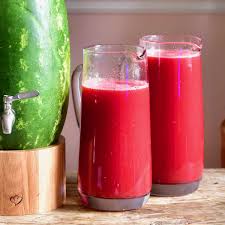
Watermelon juice is about as simple as a fresh drink gets: cubed watermelon, a splash of lemon juice, an optional sweetener, and an optional splash of water or coconut water, all blended together and served immediately. There’s no cooking involved, and the only real preparation work is cutting the watermelon and, optionally, chilling it before blending. The whole process takes about 15 minutes of active work, with an optional 20-minute chilling step for the best flavor.
Because watermelon itself is naturally sweet and mostly water, the quality of the final juice depends heavily on choosing a genuinely ripe watermelon — a good watermelon needs very little added sugar to taste great, while an underripe one will always taste bland no matter what’s added to it.
Understanding the Ingredients
Since this is a simple, few-ingredient drink, it helps to know what each component contributes:
Ripe watermelon cubes, seeds removed, are the entire foundation of the juice — both its flavor and its natural sweetness come from here.
Sugar or honey is optional and only needed if the watermelon itself isn’t sweet enough on its own.
Fresh lemon juice brightens the flavor and enhances the watermelon’s natural sweetness without needing much added sugar.
Cold water or coconut water is optional and can be used to adjust the thickness of the juice if it comes out too concentrated after blending.
Ice cubes, added at serving time, keep the juice cold and refreshing.
Choosing the Best Watermelon
The quality of the watermelon directly affects the taste of the finished juice — a sweet, ripe watermelon creates naturally flavorful juice without requiring much sugar.
Signs of a good watermelon:
- Deep green color
- A creamy yellow field spot
- Heavy weight for its size
- A hollow sound when tapped
- Firm outer skin
Watermelons to avoid:
- Ones that feel soft in some areas
- Ones with cracks
- Ones that smell sour
- Ones that appear dull or shriveled
Kitchen Workflow: The Order That Actually Saves Time
Here’s the most efficient order to work through this recipe:
Step 1 — Wash the watermelon. Rinse the watermelon thoroughly under running water. Even though the outer rind isn’t eaten, washing prevents dirt and bacteria from transferring to the fruit while cutting. Dry with a clean towel.
Step 2 — Cut the watermelon. Place the watermelon on a stable cutting board. Slice it into halves, then into smaller sections, and remove the thick green rind. Cut the red flesh into medium-sized cubes, removing any black seeds if present.
Step 3 — Chill the watermelon. For the most refreshing flavor, refrigerate the cubes for at least 20 minutes before blending. Cold watermelon reduces the need for too much ice, which helps preserve the flavor intensity of the juice.
Step 4 — Blend the ingredients. Add the watermelon cubes to a blender, then add the lemon juice, sugar or honey if desired, and water or coconut water if using. Blend until completely smooth — this usually takes around 30 to 60 seconds, depending on the blender’s power.
Step 5 — Taste and adjust. Taste the juice after blending. Add more lemon juice for brightness, sweetener if the watermelon isn’t sweet enough on its own, or extra cold water if the juice is too thick. Blend again briefly after any adjustments.
Step 6 — Strain the juice (optional). If you prefer a silky smooth juice, pour the blended mixture through a fine sieve or strainer into a jug, using a spoon to press the pulp gently. Some people prefer to keep the pulp, since it contains fiber and gives the juice a thicker texture.
Step 7 — Serve immediately. Pour the juice into chilled glasses, add ice cubes if desired, and serve right away for the freshest taste and best texture.
Chilling the watermelon cubes before blending, rather than relying entirely on ice added at the end, is what preserves the most flavor — ice added directly to the blender dilutes the juice, while pre-chilled fruit keeps the flavor concentrated.
Component Organization: Setting Up Your Station
A simple setup supports this quick, blend-and-serve process:
- A sharp knife and cutting board — for washing, cutting, and de-seeding the watermelon
- A blender — for combining and smoothing the watermelon with the other ingredients
- A fine strainer or sieve (optional) — if you prefer a completely smooth, pulp-free juice
- A large bowl or jug — for holding the finished juice, especially if straining
- Chilled glasses — ready for serving immediately after blending
Since the juice is best served immediately after blending, having your glasses and any ice ready before you finish blending means there’s no delay between the juice being ready and being poured.
Step-by-Step Assembly Strategy
Assembly here is really about the blending and adjustment process:
- Add the chilled watermelon cubes to the blender first, since they form the bulk of the mixture.
- Add the lemon juice and any optional sweetener or additional liquid before blending, so everything combines in one pass.
- Blend until completely smooth, checking the texture as you go.
- Taste the blended juice and adjust with more lemon juice, sweetener, or water as needed, then blend again briefly to incorporate any adjustments.
- Strain if you prefer a smooth, pulp-free texture, or serve as-is if you enjoy the added fiber and thicker texture the pulp provides.
- Pour into chilled glasses, add ice if desired, and serve immediately.
Flavor Variations
Mint Watermelon Juice: Add 6 to 8 fresh mint leaves while blending for a cooling, refreshing flavor that works especially well in hot weather.
Ginger Watermelon Juice: Add a small piece of fresh ginger for a slightly spicy, energizing taste.
Watermelon Lemon Cooler: Increase the lemon juice and add sparkling water before serving for a lighter, more vibrant version.
Tropical Watermelon Juice: Blend the watermelon with pineapple chunks or coconut water for a sweeter, more tropical result.
Strawberry Watermelon Juice: Add fresh strawberries before blending for a deeper fruity flavor and an attractive color.
Optional Flavor Additions
Beyond the flavor variations above, a few additional ingredients can be mixed and matched into the base recipe:
- Fresh mint leaves
- A small piece of ginger
- Black salt
- Fresh basil
- Lime juice instead of lemon juice
- Chia seeds
- Strawberry pieces
- Orange juice
Serving Suggestions
Watermelon juice pairs beautifully with grilled foods, light salads, sandwiches, barbecue meals, summer snacks, and breakfast platters. It also works well at family gatherings, outdoor parties, iftar meals, picnics, and beach outings.
Health Benefits
Hydration: Watermelon contains a very high percentage of water, helping maintain hydration.
Rich in vitamins: It contains vitamin C, vitamin A, and potassium, which support immunity and overall health.
Low in calories: Watermelon juice is naturally low in calories compared to many sugary beverages.
Natural energy boost: The natural fruit sugars provide quick energy without heavy ingredients.
Storage Strategy
Fresh watermelon juice tastes best immediately after preparation, but it can be stored in the refrigerator if needed:
- Store in an airtight container.
- Keep refrigerated for up to 24 hours.
- Shake or stir before serving, since the flavor and texture may change slightly over time.
Common Mistakes to Avoid
Using unripe watermelon: This creates bland juice with weak sweetness, no matter how much sugar or lemon juice is added afterward.
Adding too much water: Excess water dilutes flavor and reduces freshness.
Overusing sugar: A ripe watermelon is naturally sweet, and too much added sugar can overpower the fruit’s natural taste.
Keeping juice too long: Fresh juice loses quality after extended storage, so it’s best enjoyed soon after making it.
Professional Tips for Excellent Flavor
- Use chilled fruit — cold watermelon improves freshness and texture.
- Add citrus carefully — a small amount of lemon or lime enhances sweetness naturally without overpowering the fruit.
- Blend briefly — over-blending may create excess foam.
- Serve immediately — freshly blended juice always tastes best.
Frequently Asked Questions
Can I make watermelon juice without a blender? Yes. Mash the watermelon thoroughly and strain the liquid through a sieve, though the texture may not be as smooth as blended juice.
Can I freeze watermelon juice? Yes. Freeze it in ice cube trays or containers, then thaw in the refrigerator before drinking.
Is sugar necessary? No. Sweet, ripe watermelon usually provides enough natural sweetness on its own.
Can children drink watermelon juice? Yes, it’s generally a healthy and refreshing drink for children when made fresh and hygienically.
Practical Notes for Best Results
- Choose a genuinely ripe watermelon using the signs described above — this single choice affects the final flavor more than any other adjustment.
- Chill the watermelon cubes before blending rather than relying on added ice, to keep the flavor concentrated.
- Taste and adjust after the first blend rather than trying to get the ratios perfect from the start.
- Blend only until smooth, since over-blending can introduce excess foam.
- Serve immediately for the best flavor and texture, since fresh watermelon juice doesn’t hold its quality as well over time.
Part 2: Straightforward Recipe Card
Healthy Watermelon Juice
Description: A naturally sweet, hydrating, cooling drink made from ripe watermelon, a splash of lemon juice, and optional sweetener. No artificial colors, preservatives, or excessive sugar — clean, natural, and refreshing.
Servings: Approximately 4 large glasses
Duration:
- Preparation Time: 15 minutes
- Chilling Time: Optional 20 minutes
- Total Time: Approximately 15–35 minutes
Ingredients:
Main ingredients:
- 6 cups ripe watermelon cubes, seeds removed
- 1 to 2 tablespoons sugar or honey (optional)
- 1 tablespoon fresh lemon juice
- 1 cup cold water or coconut water (optional)
- Ice cubes, as needed
Optional flavor additions (choose one or more):
- Fresh mint leaves
- Small piece of ginger
- Black salt
- Fresh basil
- Lime juice instead of lemon juice
- Chia seeds
- Strawberry pieces
- Orange juice
Instructions:
- Rinse the watermelon thoroughly under running water and dry with a clean towel.
- Place the watermelon on a stable cutting board. Slice into halves, then smaller sections, and remove the thick green rind. Cut the red flesh into medium-sized cubes, removing any black seeds.
- For the most refreshing flavor, refrigerate the cubes for at least 20 minutes before blending.
- Add the watermelon cubes to a blender, then add the lemon juice, sugar or honey if desired, and water or coconut water if using. Blend until completely smooth, about 30 to 60 seconds.
- Taste the juice and adjust as needed — add more lemon juice for brightness, sweetener if needed, or extra cold water if too thick. Blend again briefly after adjustments.
- If you prefer smooth juice, pour the blended mixture through a fine sieve or strainer into a jug, pressing the pulp gently with a spoon.
- Pour the juice into chilled glasses, add ice cubes if desired, and serve immediately.
Notes:
- Use chilled, ripe watermelon for the best flavor and texture.
- Storage: store in an airtight container in the refrigerator for up to 24 hours; shake or stir before serving, as flavor and texture may change slightly over time.
- Fresh juice tastes best immediately after preparation.
Medical Disclaimer: The nutritional and health information provided in this document is for general informational and educational purposes only and is not intended as, and should not be substituted for, professional medical or nutritional advice, diagnosis, or treatment. Individuals with dietary restrictions or medical conditions—including but not limited to conditions affected by natural sugar or fruit intake—should consult a qualified healthcare provider or registered dietitian before making changes to their diet. Reliance on any information provided in this document is solely at your own risk.