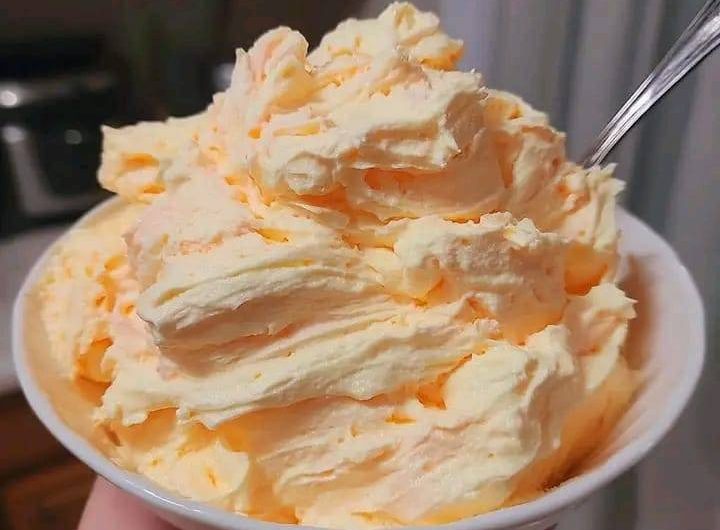
This is a light, airy cake built around fresh orange juice and zest, with a delicate, fluffy texture and a slightly sweet citrus flavor. The fluffiness comes largely from a specific egg-and-sugar beating step early in the process, which incorporates air into the batter before anything else is added. Both butter and vegetable oil go into the batter together — butter for flavor, oil for moisture — which is part of what gives the finished cake its tender, moist crumb.
Two optional finishing touches round out the recipe: an orange syrup that soaks into the warm cake for extra moisture, and a lightly sweetened orange whipped cream topping for serving. Both are separate from the core cake and can be included or skipped independently.
Getting Everything Ready
Because this cake depends heavily on temperature and timing at a few key moments — room-temperature ingredients, a properly beaten egg mixture, and gentle folding — having everything measured and at the right temperature before you start matters more here than in a simple stir-together cake.
Equipment to have ready:
- A cake pan
- Parchment paper
- A medium mixing bowl, for the dry ingredients
- A large mixing bowl, for the wet ingredients
- A hand mixer or whisk
- A spatula or spoon, for folding
- A wire rack, for cooling
- A toothpick, for testing doneness
Ingredients to have measured and at room temperature, for the cake:
- 2 cups all-purpose flour
- 1½ cups granulated sugar
- 4 large eggs, at room temperature
- 1 cup fresh orange juice
- ½ cup unsalted butter, softened
- ½ cup vegetable oil
- 2 tablespoons finely grated orange zest
- 2 teaspoons baking powder
- ½ teaspoon baking soda
- ½ teaspoon salt
- 1 teaspoon vanilla extract
For the optional orange syrup:
- ½ cup orange juice
- 2 tablespoons sugar
For the optional whipped topping:
- 1 cup cold heavy cream
- 3 tablespoons powdered sugar
- 1 teaspoon orange zest
- ½ teaspoon vanilla extract
Bringing the eggs and butter to room temperature ahead of time isn’t a minor detail here — cold eggs or butter can directly affect how well the batter aerates, which in turn affects how fluffy the finished cake turns out.
Workflow: How the Process Comes Together
This cake follows a specific order that protects the air incorporated early in the process:
- Preheat the oven and prepare the pan before mixing anything, so the batter goes in as soon as it’s ready.
- Mix the dry ingredients separately first, so the rising agents are evenly distributed before they meet the wet mixture.
- Beat the eggs and sugar thoroughly — this is the step that actually builds the cake’s fluffiness, and it needs real time and attention.
- Add the fats gradually, butter first, then oil, mixing until smooth.
- Add the orange flavor components — juice, zest, and vanilla — gently.
- Fold in the dry ingredients last, in small portions, being careful not to overmix.
- Bake without opening the oven early, then cool properly before finishing with syrup or whipped topping.
Because the egg-beating step is what actually creates the cake’s structure, every step after it — adding fats, adding orange flavoring, and especially folding in the flour — is really about preserving that trapped air rather than adding anything new to the texture.
Approved Variations & Swaps
Based strictly on what’s built into this recipe, here are the adjustments it already allows for:
- Orange syrup is optional. It adds extra moisture by soaking into the warm cake, but the cake is a complete recipe without it.
- Whipped topping is optional. A lightly sweetened orange whipped cream can be spread over the cooled cake, or the cake can be served plain.
- Both optional components can be used independently — you could add the syrup without the whipped topping, or vice versa, since they’re separate finishing steps rather than dependent on each other.
No other ingredient substitutions are specified in the source recipe, so changes to the flour, fats, or leavening would go beyond what’s actually been tested here.
Step-by-Step Baking Strategy
Getting this cake to come out properly fluffy — rather than dense or dry — depends on a small number of very specific technique choices.
Bring every ingredient to room temperature first. Cold eggs or butter don’t incorporate air as effectively during mixing, which can directly undercut the fluffiness this recipe is built around.
Mix the dry ingredients thoroughly and separately. Whisking the flour, baking powder, baking soda, and salt together before they meet the wet ingredients ensures the leavening agents are evenly spread throughout, rather than clumped in one area of the batter.
Beat the eggs and sugar for the full 5 to 7 minutes. This isn’t a step to rush — the mixture needs to visibly change color and texture, becoming pale, thicker, and airy. This is the single most important step for the cake’s final fluffiness, and cutting it short will show up directly in the finished texture.
Add the butter and oil gradually, not all at once. Mixing the softened butter in first, then adding the oil once it’s combined, keeps the batter smooth and creamy rather than separating.
Add the orange juice, zest, and vanilla gently. The zest in particular carries the natural oils responsible for a strong orange aroma, so it’s worth making sure it’s mixed in evenly rather than clumping in one spot.
Fold in the dry ingredients in small portions, and don’t overmix. Adding the flour mixture gradually and folding gently — rather than stirring vigorously — is what protects the air trapped during the egg-beating step. Overmixing at this stage is one of the most direct ways to end up with a dense cake instead of a fluffy one.
Tap the pan before baking to release large air bubbles, then leave the oven door closed for at least the first 25 minutes. Opening it early can cause the cake to collapse before its structure has set.
Test for doneness with a toothpick, looking for it to come out clean or with just a few dry crumbs.
Cool in stages. Ten to fifteen minutes in the pan, followed by a full cool on a wire rack, helps the cake hold its structure rather than breaking apart while it’s still fragile.
If using the syrup, apply it while the cake is still slightly warm. Poking small holes in the surface first lets the syrup soak in evenly rather than pooling on top.
Orange Fluffy Cake
Description: A light, airy cake with a delicate, fluffy texture and a fresh orange flavor, slightly sweet with a natural citrus aroma. Can be finished with an optional orange syrup for extra moisture and an optional orange whipped cream topping.
Ingredients
Cake:
- 2 cups all-purpose flour
- 1½ cups granulated sugar
- 4 large eggs, at room temperature
- 1 cup fresh orange juice
- ½ cup unsalted butter, softened
- ½ cup vegetable oil
- 2 tablespoons finely grated orange zest
- 2 teaspoons baking powder
- ½ teaspoon baking soda
- ½ teaspoon salt
- 1 teaspoon vanilla extract
Optional orange syrup:
- ½ cup orange juice
- 2 tablespoons sugar
Optional whipped topping:
- 1 cup cold heavy cream
- 3 tablespoons powdered sugar
- 1 teaspoon orange zest
- ½ teaspoon vanilla extract
Instructions
- Preheat the oven to 180°C (350°F). Grease a cake pan with butter or oil and line the bottom with parchment paper. Ensure all ingredients are at room temperature.
- In a medium bowl, whisk together the flour, baking powder, baking soda, and salt. Set aside.
- In a large bowl, beat the eggs and sugar together for 5 to 7 minutes, until pale, thicker, and airy.
- Gradually add the softened butter, mixing until combined, then add the vegetable oil and mix until smooth and creamy.
- Add the orange juice, orange zest, and vanilla extract, mixing gently until combined.
- Slowly fold the dry ingredients into the wet mixture in small portions, using a spatula. Do not overmix.
- Pour the batter into the prepared pan, tapping lightly on the counter to remove large air bubbles. Bake for 30 to 40 minutes, without opening the oven door during the first 25 minutes. The cake is done when a toothpick inserted in the center comes out clean or with a few dry crumbs.
- Cool the cake in the pan for 10 to 15 minutes, then transfer to a wire rack to cool completely.
- Optional: heat the orange juice and sugar for the syrup until the sugar dissolves. While the cake is still slightly warm, poke small holes in the surface and pour the syrup over, letting it soak in.
- Optional: in a cold bowl, beat the heavy cream and powdered sugar until soft peaks form. Add the orange zest and vanilla extract and mix lightly. Spread over the cooled cake before serving.
Notes
- Always use fresh orange juice for the best flavor.
- Do not skip the egg beating step — it’s key to achieving a fluffy texture.
- Fold the batter gently to keep the incorporated air intact.
- Avoid overbaking, as it can make the cake dry.
Disclaimer: This recipe is provided for general informational purposes only and does not constitute medical or dietary advice. Individuals with food allergies, dietary restrictions, or specific health conditions (including but not limited to egg, dairy, or gluten sensitivities) should consult a qualified healthcare provider or registered dietitian before preparing or consuming this recipe. Neither the author nor the publisher assumes responsibility for any adverse effects resulting from the preparation or consumption of this recipe.