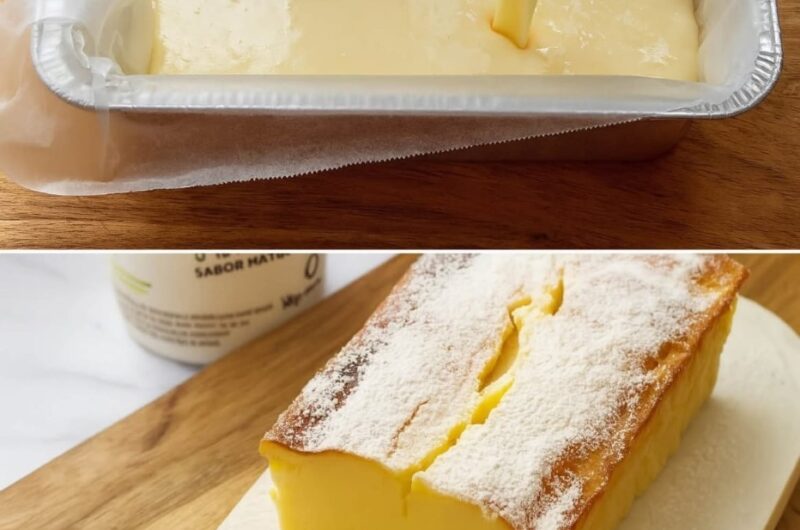
Introduction
Low Yogurt Cake is a wonderfully soft, moist, and light dessert that perfectly combines the creamy richness of yogurt with the comforting texture of homemade cake. Unlike traditional cakes that often rely heavily on butter and cream, this recipe uses low-fat yogurt as the star ingredient, creating a cake that feels lighter while still delivering exceptional flavor and tenderness.
This cake is ideal for those who enjoy simple desserts that are not overly sweet. Its delicate flavor makes it suitable for almost any occasion, whether served as a breakfast cake, afternoon snack, tea-time treat, or elegant dessert. The mild tanginess from the yogurt adds depth to the flavor and balances the sweetness beautifully.
One of the reasons yogurt cakes have remained popular across many cultures is their simplicity. The ingredients are affordable, readily available, and easy to work with. Even novice bakers can achieve impressive results with minimal effort. Additionally, this cake serves as a wonderful base for countless flavor variations, including lemon, orange, berry, vanilla, almond, and chocolate.
Whether you choose to enjoy this cake plain with a cup of coffee or dress it up with fresh fruit and whipped cream for a special gathering, this Low Yogurt Cake is sure to become a favorite addition to your baking collection.
Why You Will Love This Recipe
- Light and moist texture.
- Lower in fat than traditional butter cakes.
- Easy to prepare with basic pantry ingredients.
- Perfect for beginner bakers.
- Naturally tender because of the yogurt.
- Not overly sweet.
- Delicious served plain or with toppings.
- Keeps well for several days.
- Easily adaptable with different flavors and mix-ins.
- Suitable for breakfast, brunch, dessert, or tea time.
Preparation and Baking Time
- Preparation Time: 20 minutes
- Baking Time: 35–45 minutes
- Cooling Time: 20–30 minutes
- Total Time: Approximately 1 hour 30 minutes
Yield
- Servings: 8–10 slices
- Makes: One 8-inch or 9-inch cake
Ingredients
Dry Ingredients
- 2 cups all-purpose flour
- 2 teaspoons baking powder
- ½ teaspoon baking soda
- ¼ teaspoon salt
Wet Ingredients
- ¾ cup granulated sugar
- 2 large eggs, room temperature
- 1 cup plain low-fat yogurt
- ⅓ cup vegetable oil, canola oil, or light olive oil
- 1 teaspoon pure vanilla extract
Optional Flavor Enhancers
- 1 tablespoon lemon zest
- 1 tablespoon orange zest
- ½ teaspoon almond extract
- 1 teaspoon ground cinnamon
Optional Toppings
- Powdered sugar
- Fresh strawberries
- Blueberries
- Raspberries
- Honey drizzle
- Greek yogurt
- Whipped cream
- Lemon glaze
- Toasted nuts
Equipment Needed
- Large mixing bowl
- Medium mixing bowl
- Measuring cups and spoons
- Whisk
- Silicone spatula
- 8-inch or 9-inch cake pan
- Cooling rack
- Sifter (optional)
Understanding the Role of Each Ingredient
Yogurt
Yogurt is the most important ingredient in this recipe. It contributes moisture, tenderness, richness, and a subtle tangy flavor. The acidity in yogurt also reacts with baking soda, helping the cake rise and become light and fluffy.
Flour
All-purpose flour provides the structural framework for the cake. It creates a tender crumb while still maintaining enough stability for slicing.
Eggs
Eggs bind the ingredients together while adding richness, moisture, and structure.
Sugar
Sugar sweetens the cake and also helps create a soft, tender texture.
Oil
Oil keeps the cake exceptionally moist and extends its freshness. Cakes made with oil tend to remain soft longer than those made exclusively with butter.
Baking Powder and Baking Soda
These leavening agents ensure the cake rises properly and develops an airy texture.
Step-by-Step Instructions
Step 1: Prepare the Oven
- Preheat your oven to 350°F (175°C).
- Position the oven rack in the center position for even baking.
- Grease an 8-inch or 9-inch round cake pan thoroughly with butter or nonstick spray.
- For easier removal, line the bottom of the pan with parchment paper.
Step 2: Combine the Dry Ingredients
In a medium bowl, whisk together:
- All-purpose flour
- Baking powder
- Baking soda
- Salt
Whisking distributes the leavening agents evenly and prevents clumps.
Set aside.
Step 3: Prepare the Wet Mixture
- In a large mixing bowl, crack in the eggs and add the sugar.
- Whisk vigorously for approximately 2 to 3 minutes until the mixture becomes lighter in color and slightly fluffy.
Add:
- Yogurt
- Oil
- Vanilla extract
- Lemon or orange zest, if using
Continue whisking until smooth and fully incorporated.
The mixture should appear creamy and uniform.
Step 4: Incorporate Dry Ingredients
- Gradually add the dry ingredients into the wet ingredients in two or three additions.
- Using a spatula, gently fold the ingredients together.
- Mix only until no dry flour remains.
- Overmixing may develop excess gluten, resulting in a dense cake.
- The finished batter should be smooth and thick.
Step 5: Transfer Batter to Pan
- Pour the batter into the prepared cake pan.
- Spread the batter evenly using a spatula.
- Gently tap the pan on the counter several times to release trapped air bubbles.
Step 6: Bake the Cake
- Place the cake in the preheated oven.
- Bake for 35 to 45 minutes.
- Baking times may vary depending on your oven and pan size.
- Begin checking for doneness around the 35-minute mark.
The cake is done when:
- The top is lightly golden.
- A toothpick inserted into the center comes out clean.
- The cake springs back when lightly touched.
Avoid opening the oven door during the first 25 minutes to prevent the cake from collapsing.
Step 7: Cool the Cake
- Remove the cake from the oven.
- Allow it to cool in the pan for approximately 10 to 15 minutes.
- Carefully remove the cake from the pan and transfer it to a wire rack.
- Allow the cake to cool completely before slicing.
- Cooling helps the crumb set properly and improves texture.
Texture and Flavor
Low Yogurt Cake offers:
- A moist and delicate crumb.
- Light and fluffy texture.
- Gentle sweetness.
- Mild tanginess from the yogurt.
- Soft interior with a lightly golden exterior.
The cake remains moist for days and tastes even better the following day as the flavors continue to develop.
Flavor Variations
Lemon Yogurt Cake
Add two tablespoons of fresh lemon zest and top with lemon glaze.
Orange Yogurt Cake
Use orange zest and a splash of fresh orange juice.
Berry Yogurt Cake
Fold in one cup of blueberries, raspberries, or diced strawberries.
Cinnamon Spice Yogurt Cake
Add one teaspoon ground cinnamon and a pinch of nutmeg.
Chocolate Chip Yogurt Cake
Stir in ¾ cup mini chocolate chips.
Almond Yogurt Cake
Add almond extract and sprinkle sliced almonds over the batter before baking.
Coconut Yogurt Cake
Mix in shredded coconut and garnish with toasted coconut flakes.
Serving Suggestions
Serve this cake:
- Dusted with powdered sugar.
- Topped with fresh seasonal fruit.
- With a dollop of whipped cream.
- Alongside tea or coffee.
- Drizzled with honey.
- With Greek yogurt and berries for breakfast.
- As a simple dessert after dinner.
- With fruit compote or jam.
Storage Instructions
Room Temperature
Store in an airtight container for up to 3 days.
Refrigerator
- Refrigerate for up to 1 week.
- Allow chilled cake to come to room temperature before serving for the best flavor and texture.
Freezer
- Wrap individual slices tightly in plastic wrap and freeze for up to 3 months.
- Thaw overnight in the refrigerator or at room temperature before serving.
Helpful Tips for Success
- Always use room-temperature eggs and yogurt.
- Measure flour accurately using the spoon-and-level method.
- Avoid overmixing the batter.
- Do not overbake, as this may dry out the cake.
- Use full-fat yogurt for a richer texture if desired.
- Add citrus zest for enhanced flavor.
- Allow the cake to cool completely before slicing.
Nutritional Benefits
Compared to many traditional cakes, Low Yogurt Cake offers several advantages:
- Lower in fat.
- Contains protein from yogurt and eggs.
- Provides calcium from dairy.
- Can be adapted with whole wheat flour for additional fiber.
- Contains less butter than conventional cake recipes.