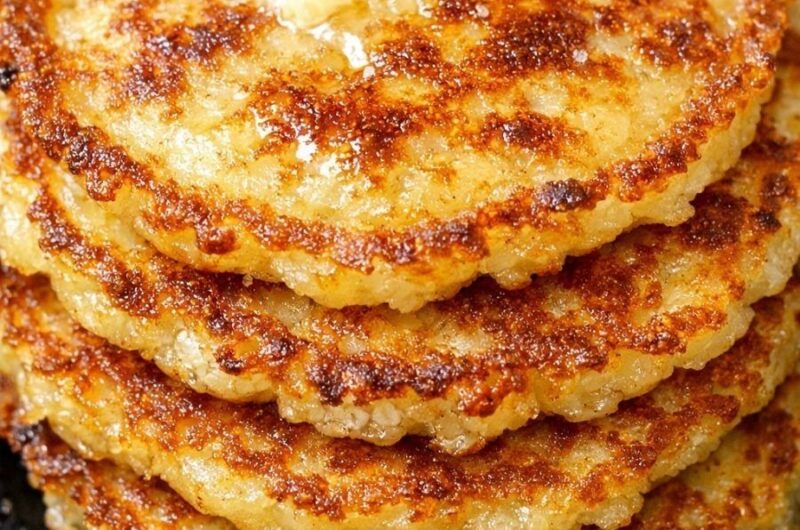
These are gluten-free, keto-friendly pancakes built from a blend of almond flour and coconut flour instead of traditional wheat flour and sugar. The combination is deliberate: almond flour gives the pancakes a soft texture and mild nutty flavor, while coconut flour absorbs moisture and helps hold everything together. Eggs bind the batter and add fluffiness, almond milk keeps it pourable, and avocado oil adds moisture and flavor.
The whole recipe comes together in about 20 minutes from start to finish, making it realistic for a weekday breakfast while still being a good fit for a more relaxed weekend morning. It’s paleo-friendly as well as keto and gluten-free, and yields about 6 servings of 2 small pancakes each. Compared to traditional wheat-flour pancakes, this version swaps out the high-carb base entirely rather than trying to reduce sugar or carbs within a conventional recipe, which is part of why it fits so cleanly into keto, low-carb, and paleo eating patterns without needing further adjustment.
Getting Everything Ready
Because this is a one-bowl batter, most of the preparation is simply having everything measured out before you start whisking.
Equipment to have ready:
- A mixing bowl
- A whisk or fork
- Measuring cups and spoons
- A non-stick pan or skillet
- A spatula
Ingredients to have ready:
- 1 cup almond flour
- ¼ cup coconut flour
- 2–3 tablespoons erythritol sweetener (or any sweetener of choice)
- 1 teaspoon gluten-free baking powder
- 3 large eggs
- ⅓ cup unsweetened almond milk (or milk of choice; may need slightly more)
- ¼ cup avocado oil (or any neutral-tasting oil that’s liquid at room temperature)
- 1½ teaspoons vanilla extract (optional, but recommended)
- ¼ teaspoon sea salt (optional, but recommended)
Using fine almond flour rather than almond meal matters here — almond meal has a coarser texture that can leave the pancakes feeling gritty instead of soft. Having all of the wet and dry ingredients measured out before you start whisking also helps, since the batter comes together quickly once everything is in the bowl together.
Workflow: How the Process Comes Together
This recipe follows a simple, one-bowl sequence:
- Whisk all ingredients together in a single mixing bowl until smooth.
- Adjust consistency with a little extra milk, only if needed.
- Heat a lightly oiled pan before adding any batter.
- Pour small circles of batter, cover, and cook until bubbles form.
- Flip and finish cooking until lightly browned.
- Repeat until all the batter is used.
Because the batter comes together in one bowl with no separate wet-and-dry mixing stages, this recipe is genuinely quick to prepare — most of the 20-minute total time goes into cooking the pancakes in batches rather than into prep. This also means there’s very little cleanup involved, since a single bowl and whisk handle the entire batter-making stage before the pan takes over.
Approved Variations & Swaps
Based strictly on what’s built into this recipe, here are the adjustments it already allows for:
- Sweetener swap: erythritol is used, but any sweetener of choice can be substituted.
- Milk swap: unsweetened almond milk can be replaced with any milk of choice, adjusting the amount slightly as needed.
- Oil swap: avocado oil can be replaced with any neutral-tasting oil that’s liquid at room temperature.
- Vanilla and salt are both optional, though recommended for the best flavor.
- Cooking fat for the pan: ghee is recommended over butter for the best flavor, since butter can burn more quickly.
- Toppings: sugar-free syrup, fresh berries, butter or ghee, Greek yogurt, whipped cream, or chopped nuts.
No other ingredient substitutions are specified in the source recipe, so changes beyond these listed swaps would go beyond what’s actually described here. Because the base ratios of almond flour to coconut flour are what give the batter its structure, most of the flexibility in this recipe lives in the liquid, sweetener, and fat components rather than the flours themselves.
Step-by-Step Cooking Strategy
A handful of specific technique choices are what keep these pancakes soft and fluffy rather than gritty, dense, or unevenly cooked.
Use fine almond flour, not almond meal. This distinction directly affects texture — almond meal’s coarser grind can leave the finished pancakes feeling gritty rather than smooth, since it doesn’t blend as seamlessly with the coconut flour and liquid ingredients.
Whisk until smooth, aiming for a batter that’s thick but pourable. It should resemble regular pancake batter in consistency — if it’s too thick, add milk gradually rather than all at once, since over-thinning can make the pancakes too wet to hold together well.
Let the pan heat before adding batter. Starting with a properly heated, lightly oiled pan helps the pancakes cook evenly from the moment they hit the surface, rather than sitting on a still-warming pan and cooking unevenly as the temperature climbs.
Cook on medium-low to medium heat, not higher. This lower heat range allows the pancakes to cook through evenly without burning on the outside before the inside is done, which is especially important given how quickly almond and coconut flour batters can brown compared to standard wheat-flour batter.
Cover the pan while cooking. This traps heat and helps the pancakes cook more evenly and turn out fluffier than cooking uncovered, since the trapped steam helps set the top of each pancake before it’s time to flip.
Watch for bubbles as your cue to flip. About 1½ to 2 minutes per side is the target, but bubbles forming on the surface are the more reliable signal that it’s time to flip, rather than relying on time alone, since stovetop heat and pan thickness can both shift the exact timing slightly from batch to batch.
Cook in ghee rather than butter for the best flavor. Butter can burn more quickly than ghee, which can affect both flavor and appearance if the pan gets too hot.
Gluten-Free Keto Low-Carb Pancakes
Description: Easy, fluffy pancakes made with almond flour and coconut flour. Perfect for keto, paleo, and gluten-free breakfasts, ready in just 20 minutes.
Duration:
- Prep Time: 5 minutes
- Cook Time: 15 minutes
- Total Time: 20 minutes
- Servings: 6 servings (2 small pancakes each)
Ingredients
- 1 cup almond flour
- ¼ cup coconut flour
- 2–3 tablespoons erythritol sweetener (or sweetener of choice)
- 1 teaspoon gluten-free baking powder
- 3 large eggs
- ⅓ cup unsweetened almond milk (or milk of choice; may need more)
- ¼ cup avocado oil (or any neutral oil)
- 1½ teaspoons vanilla extract (optional)
- ¼ teaspoon sea salt (optional)
Instructions
- Add all ingredients to a bowl and whisk until smooth.
- If the batter is too thick, add a little more milk.
- Heat a lightly oiled pan over medium-low to medium heat.
- Pour batter into small circles on the hot pan.
- Cover and cook for 1½–2 minutes, until bubbles form.
- Flip and cook for another 1½–2 minutes, until golden.
- Repeat with the remaining batter.
Notes
- Fry in ghee for the best flavor, since butter can burn more quickly.
- Fine almond flour gives the best texture; avoid almond meal, which can feel gritty.
- Avoid over-thinning the batter with too much milk.
- Use mild avocado oil or another neutral oil for the best taste.
- Serve with sugar-free syrup, fresh berries, butter or ghee, Greek yogurt, whipped cream, or chopped nuts.
- Refrigerate in an airtight container for up to 3 days.
- Freeze with parchment paper between pancakes for up to 2 months.
- Reheat in a microwave, toaster, or skillet.
- This recipe was updated from an older version that used 6 eggs, 6–8 tablespoons of almond milk, and no avocado oil, with the current version reducing the eggs and milk slightly while adding avocado oil to improve overall flavor and texture.
- Nutrition per serving (2 small pancakes): 268 kcal, 23g fat, 6g total carbohydrates, 3g net carbs, 3g fiber, 1g sugar, 9g protein.
Disclaimer: This recipe is provided for general informational purposes only and does not constitute medical or dietary advice. Nutritional values are estimates and may vary based on specific ingredients and brands used. Individuals with food allergies, dietary restrictions, or specific health conditions (including but not limited to tree nut or egg allergies, and conditions requiring blood sugar monitoring) should consult a qualified healthcare provider or registered dietitian before preparing or consuming this recipe. Neither the author nor the publisher assumes responsibility for any adverse effects resulting from the preparation or consumption of this recipe.