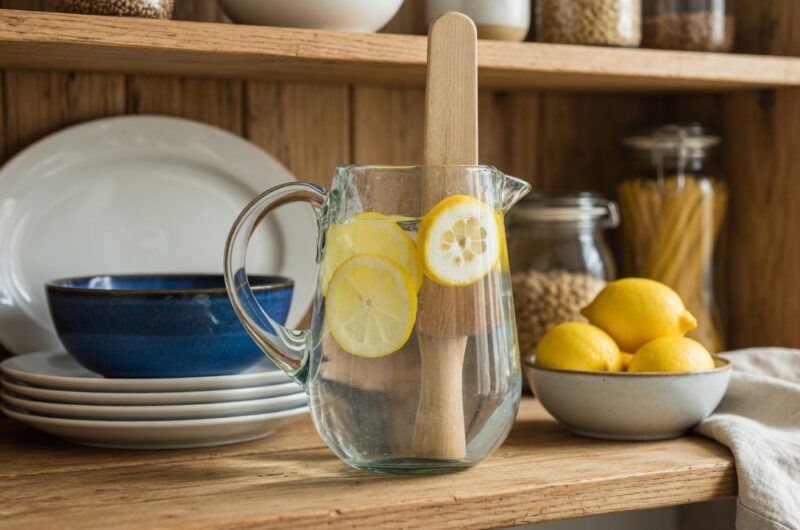
Lemon water is a simple homemade drink made with fresh lemon slices and cold water. This easy lemon water recipe needs only two ingredients and a few minutes of hands-on preparation. After the lemon is added, the pitcher is refrigerated so the citrus flavor can spread through the water. The result is a light, refreshing beverage that can be served with breakfast, lunch, dinner, or enjoyed throughout the day.
Unlike sweetened lemonade, this recipe contains no added sugar, making it a straightforward choice when you want naturally flavored water with a clean, mild citrus taste.
Why Make Lemon Water at Home?
Making lemon infused water at home is quick, inexpensive, and easy to fit into a normal kitchen routine. You do not need a blender, juicer, stove, or special equipment. One fresh lemon and eight cups of cold water are enough to prepare eight servings. Because the ingredients are simple, you can make a pitcher while preparing breakfast or dinner and place it in the refrigerator until it is ready.
Homemade lemon water also gives you control over the strength of the citrus flavor because you can decide how long to let the lemon slices infuse.
Ingredients for Lemon Water
The original recipe uses one lemon and eight cups, or 64 ounces, of cold water. Fresh lemon slices provide the natural citrus flavor, while cold water creates the refreshing base of the drink. There is no sugar, honey, syrup, bottled juice, or artificial flavoring in the ingredient list. Keeping the ingredients simple is part of what makes this lemon water recipe so easy. Choose a fresh lemon with firm skin and no large soft areas. Since the whole fruit is sliced and placed into the pitcher, wash it thoroughly before cutting.
How to Prepare the Lemon
Begin by washing the lemon under running water, then dry it if needed. Use a sharp kitchen knife to cut the fruit into thin slices. Thin lemon rounds expose more of the fruit to the water and allow the citrus flavor to spread gradually. You can remove visible seeds while slicing if you prefer. There is no need to peel the lemon because the peel adds aroma and contributes to the familiar flavor of infused lemon water. Try to keep the slices reasonably even so they look neat and remain easy to remove from the pitcher.
How to Make Lemon Water
Place the sliced lemon at the bottom of a clean pitcher. Use a wooden spoon to lightly muddle the slices several times. The purpose of this step is simply to release some juice and help start the infusion. Avoid crushing the lemon aggressively because the slices do not need to become pulp. After gently muddling the fruit, pour eight cups of cold water into the pitcher. Stir carefully if necessary, then cover the pitcher and place it in the refrigerator. The preparation is finished, but the water needs time to develop its fresh lemon flavor.
Why Muddling Helps
Lightly muddling the lemon slices gives the water a little more citrus flavor than simply dropping untouched slices into the pitcher. Gentle pressure breaks some of the fruit’s structure and releases juice into the water. A wooden spoon works well because it is easy to control and does not require special equipment. Only a few presses are necessary. Over-muddling can break the slices apart and may make the drink taste stronger than intended. The goal is to release enough lemon juice to complement the water while keeping the preparation clean and simple.
Chilling the Lemon Water
Refrigeration is an important part of this easy lemon water recipe because it gives the citrus time to infuse. Chill the covered pitcher for at least 60 minutes before serving. The flavor can become more noticeable if the water is refrigerated longer, depending on your preference. Starting with cold water also helps the finished drink feel refreshing as soon as it is ready. For the best flavor, the supplied recipe recommends enjoying the lemon water within one day. Making a fresh pitcher regularly is therefore better than storing the same batch for several days.
How to Serve Lemon Water
Serve the lemon water cold, directly from the refrigerator. You can pour it into glasses with a few lemon slices or leave the fruit in the pitcher. A clear pitcher makes the citrus slices visible and gives the drink a simple, fresh appearance without requiring extra ingredients. Keep the pitcher covered when it is not being served. This is especially helpful when preparing the drink for family meals or guests. Since the recipe makes eight cups, it is convenient for placing on the table and allowing everyone to serve themselves.
Lemon Water Without Added Sugar
One reason this recipe is different from traditional lemonade is that it contains no added sugar. The drink gets its flavor from fresh lemon slices rather than sweeteners or concentrated juice. This gives it a naturally tart, mild citrus character. If you prefer a stronger lemon taste, allow the pitcher to chill longer. If you prefer a lighter flavor, serve it after the minimum 60-minute chilling period. Keeping the original ingredient list unchanged also means the recipe remains a simple two-ingredient drink that is easy to prepare whenever you want flavored water.
Lemon Water for Breakfast
A chilled glass of lemon water can fit easily alongside many breakfast foods. Serve it with eggs, toast, oatmeal, yogurt, fruit, or other simple morning dishes. Its light citrus flavor adds variety without creating a heavy or sweet beverage. You can prepare the pitcher the evening before and refrigerate it overnight, then serve it cold in the morning. If preparing it overnight, remember that the supplied recipe says the flavor is best within one day. Fresh preparation and proper refrigeration help keep the drink tasting clean and pleasant.
Lemon Water With Lunch
Lemon infused water is a simple lunch drink because its mild flavor works with many different foods. It can accompany salads, sandwiches, grilled chicken, vegetables, rice dishes, or light snacks. Rather than preparing a separate beverage for every meal, you can keep a chilled pitcher ready in the refrigerator. The recipe does not require cooking or complicated preparation, so it takes only a few minutes of active work. The fresh lemon flavor also gives plain water a little more character without turning it into a sweet drink.
Lemon Water With Dinner
A pitcher of homemade lemon water can be served at dinner as an easy table beverage. Its bright citrus taste pairs naturally with vegetables, chicken, seafood, salads, rice, and many everyday dishes. Prepare the pitcher at least 60 minutes before the meal so the water has enough time to chill and absorb lemon flavor. Keep it refrigerated until serving. Because the recipe makes eight cups, one pitcher can provide several servings for a family meal or small gathering without requiring repeated preparation.
Preparing Lemon Water Ahead
This recipe can be prepared before you need it, which makes it useful for busy days and planned meals. Wash and slice the lemon, place the pieces into a pitcher, gently muddle them, add cold water, and refrigerate. The minimum chilling period is 60 minutes, so there is plenty of time to prepare other foods while the lemon water develops flavor. If you are serving guests, making the pitcher ahead also means the drink is already cold and ready when everyone arrives. For the best taste, use the batch within one day.
Keeping Lemon Water Fresh
Store the prepared lemon water in a covered pitcher inside the refrigerator. Keeping it cold helps maintain its refreshing quality, while covering the container helps protect the drink from other refrigerator odors. The supplied recipe notes that the flavor is best within one day, so do not treat this as a long-term storage drink. If you enjoy lemon water often, prepare a fresh pitcher as needed. Fresh lemon slices generally provide a cleaner citrus taste than fruit that has remained in water for several days.
Common Lemon Water Mistakes
One common mistake is crushing the lemon too strongly during muddling. A few gentle presses are enough to release some juice, so there is no need to mash the fruit. Another mistake is serving the drink immediately after adding the water. The lemon needs at least 60 minutes to infuse for the intended flavor. Using too little water can also make the citrus taste unusually strong, while failing to refrigerate the pitcher means the drink will not have the same chilled quality. Following the stated measurements keeps the recipe balanced and simple.
Choosing the Right Pitcher
A clean pitcher large enough to hold eight cups of water and the lemon slices is ideal for this recipe. A glass pitcher is convenient because you can see the lemon rounds while the water infuses, although the most important point is choosing a clean container with enough capacity. Cover the pitcher before refrigerating it. If you make a larger batch, use a suitably sized container rather than filling a small pitcher too close to the top. Having enough room makes pouring easier and reduces the chance of spills during preparation.
Can You Use Bottled Lemon Juice?
Bottled lemon juice is not part of the supplied recipe, so fresh lemon should be used when following the original ingredients. Fresh slices provide juice, aroma, visible fruit, and flavor from the lemon peel. Replacing the sliced fruit with bottled juice would change the recipe and its presentation. The simple combination of one lemon and eight cups of cold water is enough. Keeping the original ingredients also preserves the character of this easy lemon infused water recipe and avoids adding unnecessary products.
Can You Use Room-Temperature Water?
The original recipe calls for cold water, so cold water should be used when following it as written. Room-temperature water can be chilled later, but starting with cold water makes the drink ready for refrigeration immediately. Since there are only two ingredients, there is little reason to change the method. Add the measured cold water after lightly muddling the lemon slices, then place the covered pitcher in the refrigerator. This straightforward process gives the water time to absorb the lemon flavor while keeping the finished beverage cold.
How Strong Should Lemon Water Taste?
This recipe creates lightly flavored lemon water rather than a glass of sweet lemonade or concentrated citrus juice. One lemon is combined with eight cups of water, producing a mild and refreshing taste. The final strength depends on the freshness of the lemon and the length of refrigeration. Chilling for at least 60 minutes gives the fruit time to infuse. Additional chilling can increase the citrus character. If you prefer a subtle taste, serve the drink after the minimum time. If you prefer stronger flavor, allow more infusion time.
Notes for Better Flavor
For the best results, start with a fresh lemon and wash it carefully before slicing. Cut thin rounds, then press them gently with a wooden spoon rather than crushing them. Use exactly eight cups of cold water for the stated recipe and refrigerate the covered pitcher for at least 60 minutes. Serve the drink cold and keep it refrigerated between servings. The supplied recipe recommends enjoying the flavor within one day, so making a fresh batch regularly is the simplest way to maintain a clean citrus taste.
Lemon Water for Refreshment
A chilled pitcher of lemon water is easy to keep available for drinking. It can be prepared in the morning for meals later in the day or made before guests arrive. Because the recipe uses only fresh lemon and cold water, there is little preparation and cleanup. The drink can remain a simple alternative to sweet beverages when you want a citrus flavor. Keep the pitcher covered and refrigerated, serve it cold, and prepare a fresh batch whenever the previous one is finished.
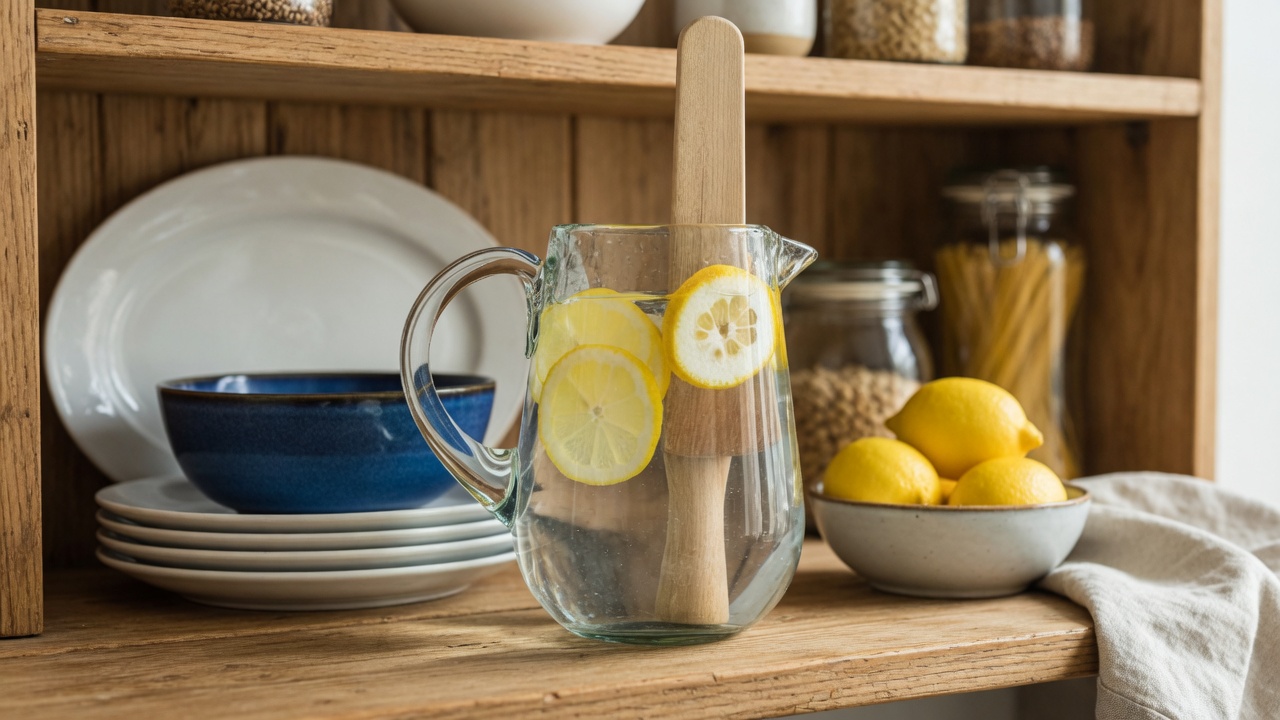
Lemon Water Drink
A simple lemon infused water recipe made with fresh lemon slices and cold water. This refreshing homemade drink contains no added sugar and needs only a short preparation time before chilling.
8
servings5
minutes1
hour1
kcal1
hour5
minutesIngredients
1 lemon
8 cups (64 ounces) cold water
Instructions
- Wash the lemon thoroughly, then cut it into thin slices. Place the lemon slices in the bottom of a pitcher and gently muddle them several times with a wooden spoon to release some juice.
- Pour the 8 cups of cold water into the pitcher over the lemon slices. Cover the pitcher and refrigerate the lemon water for at least 60 minutes so the citrus flavor can infuse.
- Serve the lemon water cold, keeping the pitcher refrigerated between servings.
- For the best flavor, enjoy the prepared lemon water within 1 day.
Notes
- The flavor can develop further with additional chilling time.
- Keep the pitcher covered and refrigerated.
- For the best taste, use the lemon water within 1 day.
Nutrition Facts (Per serving)
- Calories: 1kcal
- Fat: 0g
- Carbohydrates: 0.4g
- Fiber: 0g
- Sugar: 0.2g
- Protein: 0g
Medical and Nutritional Disclaimer
The information provided in this recipe and guide is intended for general informational and educational purposes only and does not constitute medical, dietary, or nutritional advice. Nutritional values listed are automatically calculated estimates and should be used as an approximation only; actual values may vary based on specific ingredient brands, substitutions, and portion sizes used. This recipe is not intended to diagnose, treat, cure, or prevent any disease or health condition. Individuals with food allergies, dietary restrictions, or specific medical conditions should consult with a qualified healthcare provider or registered dietitian before making dietary changes or preparing this recipe. The author and publisher assume no responsibility for any adverse effects resulting from the use or application of the information contained herein.