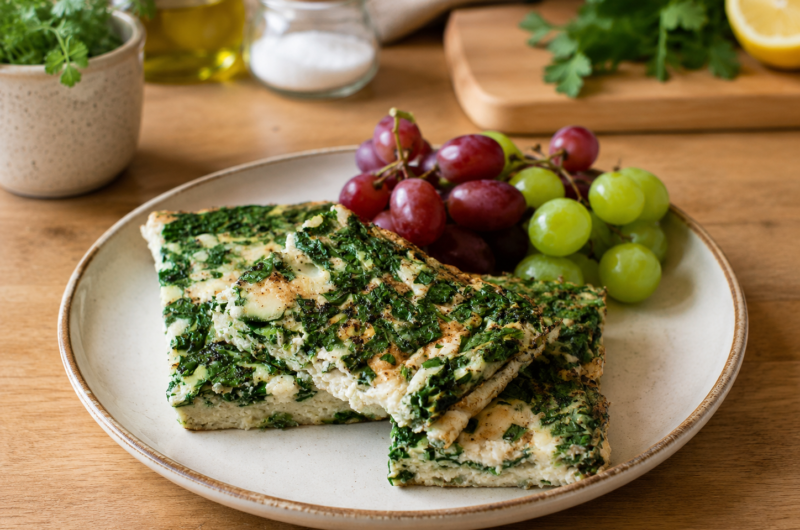
A high protein spinach feta egg white bake is a simple breakfast casserole that works well for busy mornings, weekly meal prep, and anyone looking for a filling breakfast with plenty of protein. It combines fresh spinach, egg whites, and feta cheese in one easy baked dish. Each serving provides about 20 grams of protein while keeping the recipe relatively low in calories and carbohydrates.
This healthy egg white breakfast bake takes very little preparation time and cooks in the oven while you handle other morning tasks. With only a few basic ingredients, it is easy to prepare without complicated steps or special equipment. The combination of mild egg whites, salty feta, and tender spinach gives the casserole a balanced flavor that works for breakfast, brunch, or a light meal.
Why This Egg White Breakfast Bake Is Easy to Prepare
One of the main reasons this spinach egg white casserole is useful for everyday cooking is its short preparation time. The ingredients go directly into one prepared baking dish, so there is no need to cook the spinach separately or prepare a complicated filling. After mixing the egg whites with the seasoning, the dish is ready to bake.
The total recipe time is about 35 minutes, including 5 minutes of preparation and 30 minutes of cooking. This makes it a practical option when you want a homemade breakfast without standing over the stove. Most of the time is hands-off while the casserole bakes until the egg whites are fully cooked.
Using an 8-inch by 8-inch baking dish also keeps the process simple. The recipe creates a compact breakfast casserole that can be sliced into portions after cooling. Lining the dish with parchment paper helps with serving and cleanup, while a little olive oil or cooking spray can help prevent the egg mixture from sticking.
A Healthy Breakfast with 20 Grams of Protein
Protein is an important part of a filling breakfast, and this high protein egg white bake provides 20 grams per serving according to the supplied nutrition information. Egg whites are the main source of protein in the recipe, allowing the dish to have a substantial protein content without adding many carbohydrates.
Starting the day with a protein-rich breakfast can also make this recipe a useful choice for meal planning. Instead of relying on sweet pastries or heavily processed breakfast foods, you can prepare several portions of this baked egg dish ahead of time. The individual pieces are easy to portion, making breakfast preparation more convenient during a busy week.
Fresh Spinach Adds Color and Simple Nutrition
Fresh chopped spinach gives this egg white bake its green color and adds a mild vegetable flavor. Because the spinach is placed directly into the baking dish, the recipe avoids extra cooking steps. As the casserole bakes, the spinach softens and blends naturally with the egg whites.
Spinach also helps turn a plain egg white dish into a more complete breakfast. The supplied nutrition information includes vitamin A, vitamin C, potassium, fiber, calcium, and iron. Although the recipe uses a simple ingredient list, the combination of eggs, cheese, and vegetables creates a meal with several nutrients in each portion.
For the best texture, chop the spinach before adding it to the dish. Smaller pieces spread more evenly throughout the egg whites, so each slice contains some spinach. This also makes the casserole easier to cut and eat, especially when preparing portions for breakfast meal prep.
Feta Cheese Brings a Rich and Salty Flavor
Egg whites have a mild flavor, so feta cheese plays an important role in making this breakfast casserole more satisfying. The crumbled feta is sprinkled over the egg mixture before baking. As the dish cooks, the cheese softens and adds small pockets of rich, salty flavor throughout the finished bake.
Only 2 ounces of feta cheese are used, which keeps the ingredient list simple while still giving the casserole a noticeable cheese flavor. The feta also contributes to the fat and saturated fat listed in the nutritional information. Its strong taste means a small amount can add plenty of flavor without requiring additional ingredients.
Sprinkling the feta over the top also creates a pleasant appearance after baking. Once the egg whites are set, the cheese becomes lightly warmed and soft. When the casserole is cut into squares, the feta helps give each serving a more complete flavor than plain baked egg whites.
Simple Seasoning Keeps the Recipe Balanced
This spinach feta egg white bake uses only sea salt and black pepper for seasoning. These two ingredients support the flavor of the spinach and feta without covering their natural taste. The simple seasoning also makes the recipe easy to prepare because there are no long spice lists or complicated flavor combinations.
The salt and pepper are added after the egg whites are poured into the baking dish. Stirring them into the egg whites helps spread the seasoning throughout the mixture. This is an important small step because it prevents the flavor from being concentrated in only one part of the finished casserole.
Since feta cheese is naturally salty, the sea salt should be mixed carefully into the egg whites as directed. The provided recipe includes 1/2 teaspoon of sea salt, so there is no need to change the amount. Following the original ingredient quantities helps maintain the intended flavor and nutritional profile.
How to Prepare the Baking Dish
Preparing the baking dish properly helps the egg white casserole cook evenly and makes serving easier. Begin by preheating the oven to 350 degrees F. While the oven heats, line an 8-inch by 8-inch baking dish with parchment paper. Leave enough paper around the edges to make removing the baked egg mixture easier if desired.
A small amount of olive oil on the parchment paper can help prevent sticking. Cooking spray can also be used for the same purpose. This preparation step is especially helpful because baked egg whites can stick to an unprepared dish, making the casserole more difficult to remove in clean portions.
Once the dish is prepared, spread the chopped fresh spinach across the bottom. Try to distribute it evenly so the vegetable is not gathered in one corner. This creates a more consistent texture and helps ensure that the spinach is spread through the finished breakfast bake.
Adding the Egg Whites and Seasoning
After arranging the spinach, pour all of the egg whites over it. The liquid egg whites will move around the spinach and fill the baking dish. Add the sea salt and black pepper, then stir the seasoning gently into the egg whites so the flavor is distributed evenly.
There is no need to use a separate mixing bowl for this step, which helps keep cleanup simple. Stir carefully enough to combine the seasonings without moving all of the spinach into one area. Once the mixture looks evenly combined, the casserole is ready for the feta cheese.
The egg whites form the main structure of this high protein breakfast casserole. During baking, they change from liquid to a firm but tender egg mixture. Cooking at the stated oven temperature gives the ingredients time to set together while the spinach softens and the feta warms.
Baking the Spinach Feta Egg White Casserole
Sprinkle the crumbled feta cheese evenly over the prepared egg mixture. Place the baking dish in the preheated 350 degrees F oven and bake for 30 to 35 minutes. The exact cooking time can vary slightly depending on the oven and baking dish.
Check that the egg whites are fully cooked before removing the dish. The center should no longer appear liquid or loose. A properly cooked egg white casserole should hold together when cut after cooling. Avoid removing it too early, as undercooked egg whites can make the center wet.
Once fully cooked, remove the dish from the oven and allow it to cool for 10 minutes. This resting time is useful because the casserole continues to settle as it cools. Cutting it immediately can cause the portions to lose their shape or release extra moisture.
Cooling and Cutting for Meal Prep
After the 10-minute cooling period, the baked egg mixture is ready to cut into portions. The parchment paper can make lifting the casserole easier before slicing, although you can also cut it directly in the baking dish. Use a sharp knife to create evenly sized pieces for serving.
This makes the recipe especially useful as a high protein meal prep breakfast. Preparing the full casserole at one time allows you to portion it after baking rather than making a separate breakfast from the beginning each morning. The simple square shape is also easy to pack in suitable food containers.
For the best meal prep routine, allow the casserole to cool before storing portions. Keeping the pieces separated into servings can make future breakfasts quicker to organize. When you are ready to eat, reheat a portion until warmed through, using a suitable method for your kitchen equipment.
Why Egg White Casseroles Work Well for Busy Mornings
A baked egg white breakfast is convenient because it does not require constant attention while cooking. Unlike scrambled eggs, which need regular stirring on the stove, this recipe is assembled quickly and then left in the oven for most of the cooking time. That hands-off process can make morning preparation easier.
The short ingredient list is another advantage. Fresh spinach, egg whites, sea salt, black pepper, and feta cheese are the only listed ingredients. There is no need for a complicated sauce, topping, or separate filling. Each ingredient has a clear role in the finished dish.
The total time is also practical. With 5 minutes of preparation and 30 minutes of cooking, the recipe takes approximately 35 minutes from start to finish, before the additional cooling period. It can work for a relaxed weekend breakfast or as part of a planned meal prep session.
A Low Carb and Protein-Rich Breakfast Option
According to the supplied nutritional information, each serving contains 134 calories, 20 grams of protein, 3 grams of carbohydrates, and 4 grams of fat. These values make the spinach feta egg white bake a protein-focused breakfast with relatively low carbohydrate content.
The recipe also provides 0.5 grams of fiber and 1 gram of sugar per serving. The spinach contributes some of the nutrients and fiber, while the egg whites remain the main source of protein. Feta cheese adds flavor along with calcium and fat, creating a balanced combination from only a few ingredients.
Because nutritional needs are different for everyone, the recipe can be served as it is or included as part of a larger meal plan. The provided nutrition values should be treated as the information for this recipe, with serving results depending on how the finished casserole is divided.
Best Ways to Serve This Baked Egg White Recipe
This spinach feta egg white bake can be served warm shortly after cooling or prepared in advance for planned meals. Its mild flavor makes it suitable for breakfast, brunch, or a light lunch. The simple combination of eggs, spinach, and cheese also makes the dish easy to pair with foods that suit your own meal preferences.
For breakfast, serve a freshly cut portion after allowing the casserole to rest. The cooling period helps the egg mixture firm up, making each square easier to lift and place on a plate. The feta and spinach are already included, so the dish does not require extra toppings to be complete.
For meal preparation, divide the cooled casserole into portions and store them appropriately. This can save preparation time on later days because the main cooking has already been completed. Reheat only the portion you plan to eat and make sure it is warmed thoroughly before serving.
Common Questions About the Recipe
Can I use the whole spinach leaves?
The original recipe specifies 2 cups of fresh spinach, chopped. Chopping the spinach helps it spread more evenly through the egg whites and makes the finished casserole easier to slice. Following this preparation method also keeps the texture consistent with the intended recipe.
How do I know when the egg white bake is done?
Bake the casserole for 30 to 35 minutes, or until the egg whites are fully cooked. The center should be set rather than liquid. Allowing the dish to cool for 10 minutes after baking also helps it firm up before cutting.
Is this recipe good for meal prep?
Yes, the square baking dish makes it easy to divide the finished casserole into portions after it has cooled. The 20 grams of protein listed per serving can make it a useful choice for people planning protein-rich breakfasts in advance.
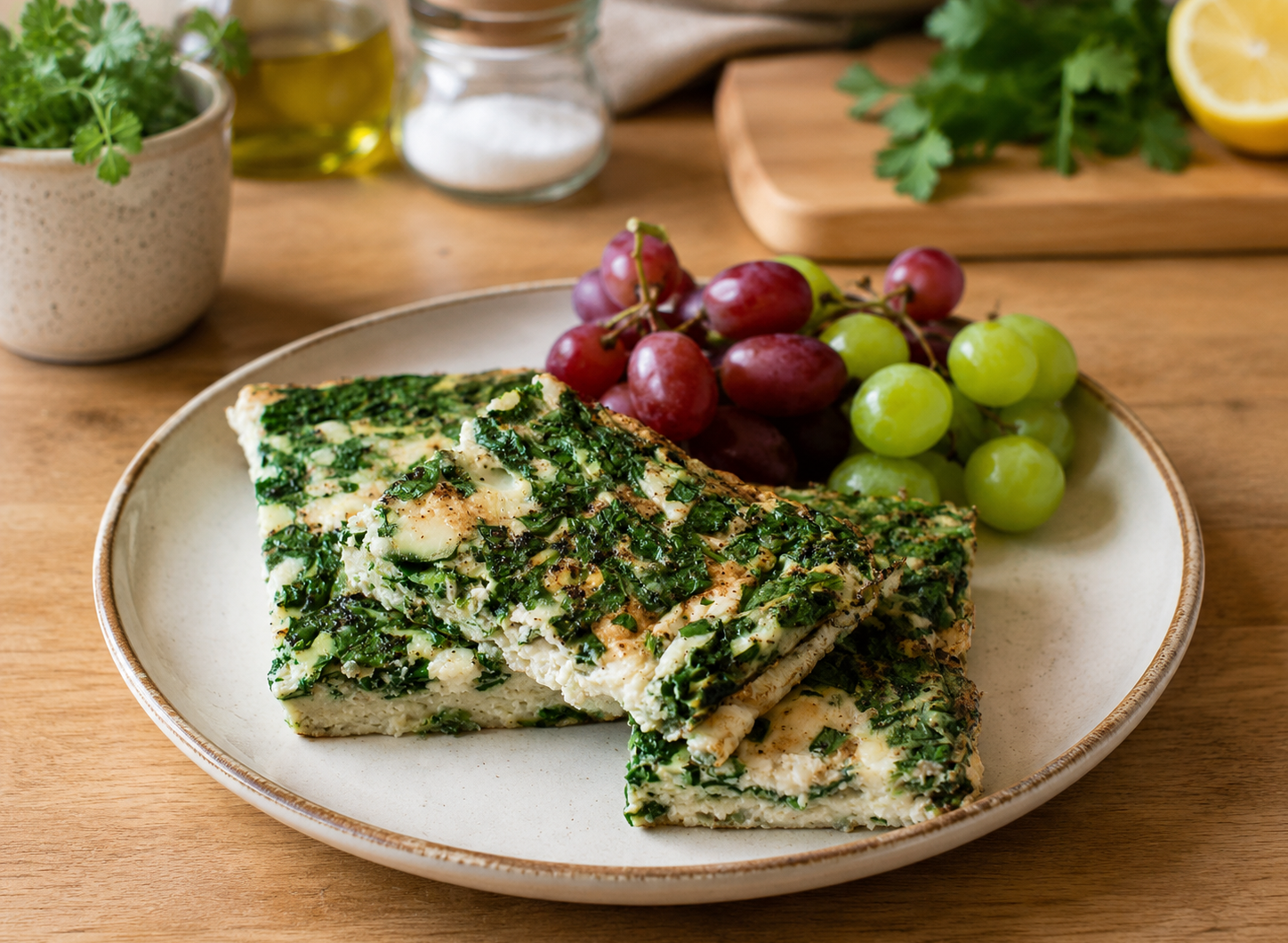
High-Protein Spinach Feta Egg White Bake
An easy baked breakfast made with fresh spinach, egg whites, sea salt, black pepper, and crumbled feta cheese. This simple egg white casserole is high in protein, low in carbohydrates, and suitable for breakfast meal prep.
3
servings5
minutes30
minutes134
kcal35
minutesIngredients
2 cups fresh spinach, chopped
16 oz egg whites
1/2 tsp sea salt
1/4 tsp black pepper
2 oz feta cheese, crumbled
Instructions
- Preheat the oven to 350 degrees F. Line an 8-inch x 8-inch baking dish with parchment paper and lightly oil the parchment with a little olive oil, or use cooking spray to help prevent sticking.
- Place the chopped fresh spinach evenly across the bottom of the prepared baking dish.
- Pour the 16 oz egg whites over the spinach. Add the sea salt and black pepper, then gently stir the seasonings into the egg whites.
- Scatter the crumbled feta cheese evenly over the top of the egg and spinach mixture.
- Bake for 30 to 35 minutes, until the egg whites are fully cooked and the center is set. Remove from the oven and allow the casserole to cool for 10 minutes.
- Cut into portions and serve warm, or cool completely before dividing into portions for meal prep.
Nutrition Facts
- Calories: 134kcal
- Fat: 4g
- Carbohydrates: 3g
- Fiber: 0.5g
- Sugar: 1g
- Protein: 20g
- Iron: 1mg