Chicken pot pie is a classic comfort food made with tender chicken, fresh vegetables, and a rich, creamy sauce covered with golden, flaky puff pastry. This homemade chicken pot pie recipe combines simple ingredients to create a satisfying meal that works well for family dinners, weekend lunches, or make-ahead meals. Every serving brings together soft pieces of chicken, sweet carrots, celery, peas, and a flavorful white sauce underneath a beautifully baked pastry topping.
What makes this easy chicken pot pie especially enjoyable is the combination of textures. The filling stays creamy and smooth, while the puff pastry develops a crisp, buttery surface during baking. When the pastry is broken with a spoon, the warm chicken and vegetable mixture underneath makes this dish particularly inviting. It is a wonderful choice when you want a homemade meal that feels comforting without requiring complicated cooking techniques.
This recipe can be prepared in individual oven-safe pots or assembled as one large pie. Individual chicken pot pies are convenient for serving because everyone gets their own portion with plenty of pastry around the edges. A large pie is equally practical when preparing dinner for a family or when you want to serve several people from the same baking dish.
Another advantage of homemade chicken pot pie is that the filling can be prepared ahead of time. You can cook the chicken, prepare the creamy vegetable sauce, and refrigerate the mixture before adding the pastry. This makes the recipe useful for busy weekdays when you want a homemade dinner without completing every preparation step at the last minute.
This Chicken Pot Pie Recipe
There are several reasons this chicken pot pie recipe deserves a place in your regular meal rotation. First, it uses everyday ingredients that are easy to find in most grocery stores. Chicken breast, carrots, celery, onions, garlic, milk, butter, and flour form the foundation of the filling. Frozen peas and dried herbs add additional flavor without requiring extra preparation.
The cooking method also helps develop a flavorful filling. Instead of cooking the chicken separately and throwing away the cooking liquid, this recipe gently poaches the chicken in milk and chicken broth. The liquid collects flavor from the chicken and herbs, making it an excellent starting point for the creamy sauce. This small preparation detail helps create a more flavorful result.
Another reason to enjoy this recipe is its versatility. You can prepare four generous individual portions, make six smaller servings, or use one large oven-safe dish. The filling remains the same, so you do not need a completely different recipe depending on how you want to serve it. This flexibility makes the dish suitable for both smaller households and family gatherings.
The puff pastry topping is another highlight. It creates a golden, crisp layer without requiring you to prepare homemade pastry dough. Simply cut the pastry into pieces large enough to cover your baking dishes, brush with beaten egg, and bake until beautifully puffed. The finished topping provides an enjoyable contrast to the soft chicken and vegetable filling.
How Poaching Chicken Improves the Filling
One of the most useful techniques in this chicken pot pie recipe is gently poaching the chicken before preparing the sauce. Many chicken pot pie recipes use previously cooked chicken, roasted chicken, or leftover poultry. Those methods are convenient, but poaching fresh chicken directly in milk and broth offers another advantage because the cooking liquid becomes part of the finished filling.
As the chicken cooks, it releases some of its natural flavor into the liquid. The thyme and stock powder also contribute seasoning, creating a broth that is more flavorful than plain milk. Instead of preparing a separate white sauce with fresh liquid, you can use the reserved poaching mixture to build the creamy filling.
Gentle heat is important during this stage. Milk should be brought to a light simmer rather than a vigorous boil. Excessive heat can cause the milk to separate, which may affect the appearance and texture of the finished sauce. Keeping the saucepan covered and maintaining a gentle simmer helps the chicken cook evenly.
After approximately 15 minutes, remove the chicken from the saucepan. It can be shredded with two forks or cut into small pieces once it is cool enough to handle. The reserved liquid should be kept for the sauce. This preparation method makes good use of the ingredients and helps the chicken remain moist.
Preparing the Chicken and Vegetable Filling
The filling is the heart of a good chicken pot pie. It should be thick enough to hold its shape when served but still creamy enough to feel smooth and comforting. Cooking the vegetables properly before adding the liquid helps develop flavor and gives the finished mixture a better consistency.
Cooking the Onion, Garlic, and Vegetables
Begin by melting butter in a large saucepan over medium-high heat. Add the chopped onion and minced garlic, allowing them to cook for approximately two minutes. Stir regularly so the garlic does not burn. The onion should begin to soften and release its aroma, creating a flavorful base for the remaining vegetables.
Add the dried thyme, chopped carrots, and celery. Continue cooking for approximately three minutes, stirring occasionally. This short cooking period helps soften the vegetables slightly before the creamy sauce is prepared. The carrots do not need to become completely tender at this stage because they will continue cooking as the filling heats and eventually bakes.
Adding White Wine and Flour
Pour the white wine into the saucepan and stir while scraping the bottom to release any flavorful ingredients that may have stuck to the surface. Allow it to cook for approximately one and a half minutes, or until most of the liquid has evaporated.
Next, sprinkle the flour over the vegetable mixture. Stir continuously for about one minute so the flour combines with the butter and vegetables. Cooking the flour briefly helps remove its raw taste and prepares it to thicken the liquid.
Creating the Creamy Chicken Sauce
Pour approximately half of the reserved chicken poaching liquid into the saucepan. Stir thoroughly until the flour has dissolved and the mixture becomes smooth. At first, the sauce may look very thick, but adding the remaining liquid gradually helps create a creamy consistency.
Add the rest of the reserved milk and broth, followed by the grated Parmesan cheese and black pepper. Stir until the cheese is incorporated into the sauce. The mixture should become smooth and creamy as it heats.
Add the shredded or diced chicken along with the frozen peas. Stir carefully to distribute the ingredients evenly throughout the sauce. Once the mixture begins producing steam, continue cooking for approximately three minutes, stirring regularly.
The sauce should already have the consistency you want before it goes into the baking dishes. It will not become significantly thicker simply because the puff pastry is placed on top. A watery filling can make the finished chicken pot pie difficult to serve, so allow enough time for the sauce to thicken properly.
Choosing Between Individual Chicken Pot Pies and One Large Pie
This recipe works with different baking dishes, giving you the freedom to choose a presentation that suits your meal. Individual chicken pot pies are particularly useful when you want attractive portions that are easy to serve. Each pot receives its own pastry lid, creating plenty of crisp edges and a generous pastry-to-filling ratio.
For four large servings, use oven-safe pots with a capacity of approximately 500 ml each. Smaller dishes with a capacity of around 375 ml can be used to make five or six portions. Make sure your dishes are suitable for oven use and large enough to hold the filling without overflowing.
If you prefer preparing everything together, use one large oven-safe pie dish or skillet with an approximate capacity of two liters. Spread the filling evenly inside the dish and cover it with puff pastry. The baking approach remains similar, although you may need to check the center to ensure the pastry is fully cooked and golden.
Choosing individual pots is not essential for the flavor of the recipe. The most important thing is to leave enough room for the filling and allow the pastry to sit securely around the top edges of the dish.
How to Assemble Chicken Pot Pie with Puff Pastry
Once the filling has been prepared, it is important to let it cool before assembling the pies. Hot filling can soften the butter layers inside puff pastry before baking begins. Since those layers help create the pastry’s light and flaky texture, keeping the pastry cold during assembly makes a noticeable difference.
Transfer the filling into your oven-safe pots or baking dish. Spread it evenly and allow it to cool until the surface is no longer hot. Refrigerating the filling for at least 30 minutes is a practical way to prepare it for the pastry topping.
While the filling cools, remove the puff pastry from the freezer and allow it to partially thaw. It should become flexible enough to cut without becoming too soft. Use the top of each pot as a guide and cut pastry rounds approximately one inch wider than the opening. The extra pastry allows you to fold the edges around the sides of the dishes.
Brush the edges of the pots with beaten egg before placing the pastry on top. Gently press and fold the pastry around the outside edges so it stays in position during baking. Brush the entire pastry surface with the remaining egg wash.
Use a small knife to cut a short opening in the center of each pastry lid. This opening allows steam to escape while the filling heats. It also helps prevent excessive moisture from building up underneath the pastry.
Can You Make Chicken Pot Pie with Cooked Chicken?
Yes, cooked chicken can be used to make chicken pot pie, which is a convenient option when you have leftover chicken or previously prepared poultry. Shredded roast chicken or plain cooked chicken breast can be added directly to the vegetable sauce once it has been prepared.
When using cooked chicken, you do not need to poach fresh chicken. However, the original recipe uses the poaching liquid to create the creamy sauce. To maintain a similar preparation method, use an appropriate amount of chicken broth and milk when making the filling. This provides the liquid needed to combine the flour and vegetables into a smooth sauce.
Leftover chicken is particularly useful for reducing preparation time. Make sure the chicken is properly stored before use and heated thoroughly when added to the filling. Cut or shred it into bite-sized pieces so it distributes evenly throughout the pie.
What to Serve with Chicken Pot Pie
Chicken pot pie is a filling main course because it already includes chicken, vegetables, and pastry. However, a simple side dish can make the meal feel more complete. A fresh green salad with a light dressing is a good choice because its crisp texture provides contrast to the rich filling.
Steamed green beans, roasted broccoli, or lightly seasoned vegetables can also be served alongside the pie. These options add freshness without making the meal overly complicated. If you want something simple, a small portion of cucumber salad or mixed leafy greens works well.
For a family dinner, serve each individual pot directly on a heat-safe plate with a fresh vegetable side. The pastry is best enjoyed immediately after baking, while its layers remain crisp and flaky.
How to Store and Reheat Chicken Pot Pie
Proper storage helps keep homemade chicken pot pie fresh and makes it easier to enjoy leftovers. If you have baked more portions than needed, allow the pies to cool before placing them in covered containers. Refrigerate cooked chicken pot pie for up to four days.
For reheating, the oven is generally a better choice than the microwave because it helps restore some of the pastry’s crispness. Cover the pie loosely with foil and reheat at 350°F (180°C) for approximately 20 minutes, checking that the filling is thoroughly heated before serving. Larger portions may require additional time.
You can also prepare the uncooked pies ahead of time. Allow the filling to cool completely before transferring it into the baking dishes. Add the puff pastry, brush it with egg wash, and cut the steam opening. Refrigerate the assembled uncooked pies for up to two days before baking.
For longer storage, uncooked assembled chicken pot pies can be frozen for up to three months. When ready to use, thaw them overnight in the refrigerator and bake according to the recipe instructions. Keep in mind that previously thawed puff pastry may not rise quite as much, although the difference is generally manageable.
Frequently Asked Questions About Chicken Pot Pie
Why Is My Chicken Pot Pie Filling Watery?
A watery filling usually means the sauce was not thick enough before the pastry was added. Flour needs enough time to combine with the cooking liquid and thicken properly. Continue simmering the filling while stirring until it reaches a creamy consistency before transferring it into the baking dishes.
How Do I Stop Puff Pastry from Becoming Soggy?
The best approach is to cool the filling before assembling the pies. Hot filling can melt the butter layers in puff pastry, making it harder for the pastry to rise. Also, avoid making the sauce too watery and bake the pies until the pastry is fully golden.
Can I Make One Large Chicken Pot Pie?
Yes. Instead of dividing the filling into individual oven-safe pots, transfer it into one large pie dish or oven-safe skillet. Cover the filling with puff pastry, brush the top with egg wash, make a small opening for steam, and bake until the pastry is golden and the filling is hot.
Can I Add a Pastry Base?
Yes. Puff pastry can also be used to line the bottom of the baking dishes. The pastry base should be partially baked before the cooled filling is added. If it begins to puff during baking, gently press it down and continue baking until golden. Add the cooled filling, cover with another pastry layer, and bake according to the main instructions.
Healthy Chicken Pot Pie
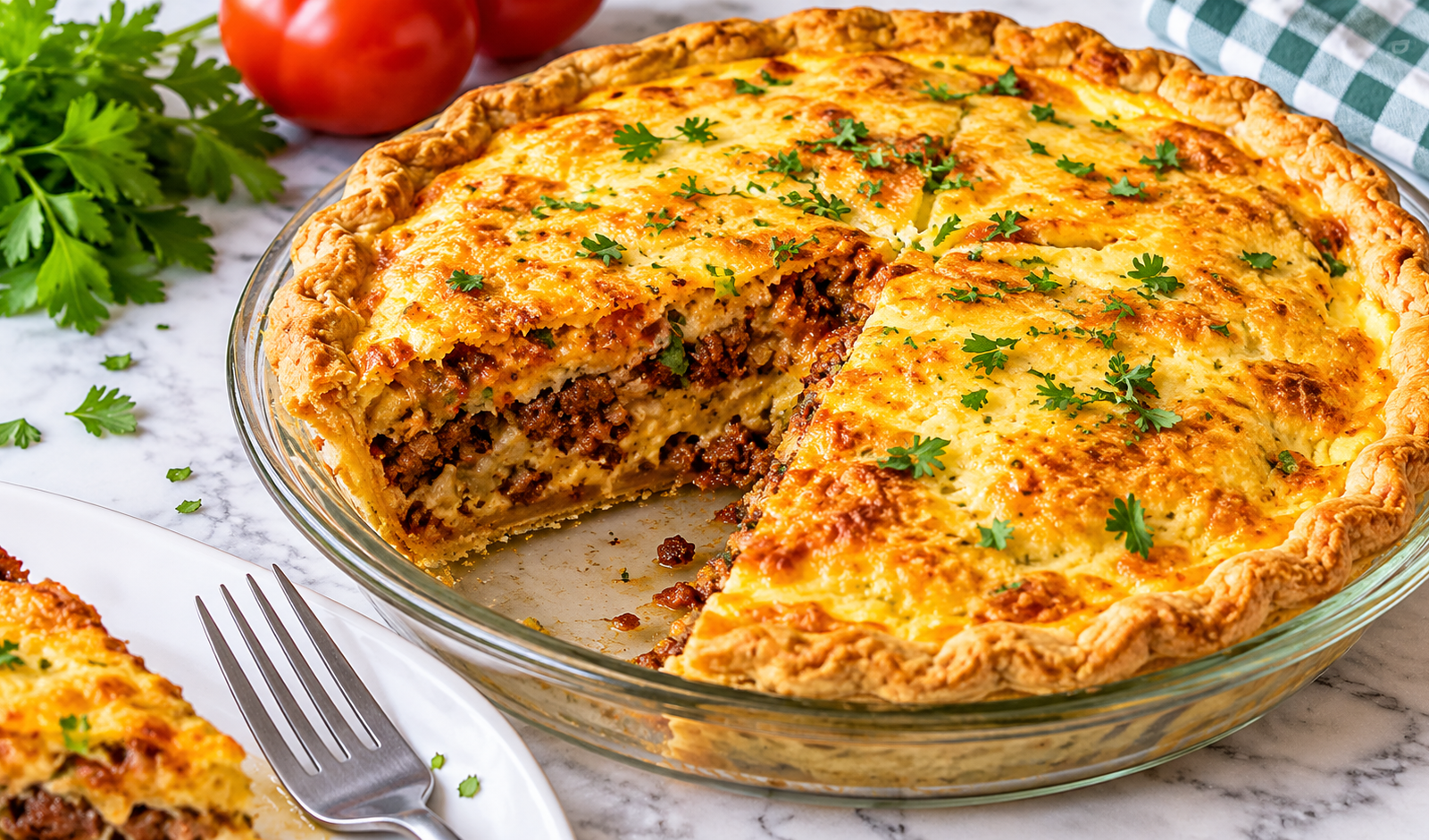
This easy chicken pot pie features tender chicken, carrots, celery, peas, and a creamy herb-seasoned sauce topped with golden, flaky puff pastry. Perfect for a comforting family dinner, it can be prepared in individual pots or as one large pie.
4-6
servings15
minutes1
hour588
kcal1
hour15
minutesIngredients
- For the Chicken and Broth:
600 g (1.2 lb) chicken breast or boneless chicken thighs
2 cups milk, any fat percentage
1 cup chicken broth (stock)
2 teaspoons chicken or vegetable stock powder
2 sprigs thyme (optional)
- For the Chicken Pot Pie Filling:
1 large onion, chopped
2 large carrots (or 3 small carrots), chopped
3 celery ribs, chopped
2 garlic cloves, minced
50 g (3 tablespoons) butter
1 teaspoon dried thyme
1/3 cup white wine (or additional chicken stock)
1/3 cup flour
1/2 cup grated Parmesan cheese
1/2 teaspoon black pepper
1 cup frozen peas, no need to thaw
2 sheets puff pastry, enough to cover the pots with extra for draping
1 egg, lightly whisked
Instructions
- Poach the Chicken
Add the milk, chicken broth, and stock powder to a large saucepan.
Bring the mixture to a gentle simmer over medium heat.
Add the chicken and optional thyme sprigs.
Cover and simmer gently over medium-low heat for approximately 15 minutes. Avoid boiling.
Remove the chicken and shred or dice it into bite-sized pieces. Reserve the poaching liquid for the sauce. - Prepare the Chicken Pot Pie Filling
Melt the butter in a large saucepan over medium-high heat.
Add the chopped onion and minced garlic. Cook for approximately 2 minutes.
Add dried thyme, chopped carrots, and celery. Cook for another 3 minutes or until the carrots begin to soften.
Pour in the white wine and scrape the bottom of the saucepan while stirring. Cook for approximately 1½ minutes until most of the liquid evaporates.
Add the flour and stir continuously for 1 minute.
Pour in approximately half of the reserved poaching liquid and stir until the flour is fully incorporated.
Add the remaining poaching liquid, Parmesan cheese, and black pepper. Stir until smooth.
Add the prepared chicken and frozen peas.
Once the mixture is heated and steaming, cook for another 3 minutes, stirring regularly, until the sauce thickens.
Remove from the heat and transfer the filling into four large or five to six smaller oven-safe pots.
Refrigerate for at least 30 minutes to cool the filling. - Assemble the Puff Pastry Topping
Partially thaw the puff pastry until it is flexible enough to handle.
Use the top of each pot as a guide and cut pastry rounds approximately 1 inch wider than the openings.
Preheat the oven to 350°F (180°C).
Brush the edges of the pots with beaten egg.
Place the pastry over each pot and fold the extra edges around the sides.
Brush the pastry tops with the remaining egg wash.
Cut a small opening in the center of each pastry lid to allow steam to escape. - Bake the Chicken Pot Pies
Place the assembled pots in the preheated oven.
Bake for 35–40 minutes or until the puff pastry is deeply golden and fully puffed.
Carefully remove from the oven and allow to rest briefly.
Serve warm while the pastry is crisp and the creamy filling is hot.
Notes
- Keep the filling thick and creamy before adding pastry.
- Cool the filling before covering with puff pastry.
- Substitute cream for some milk for a richer sauce.
- Use chicken or vegetable stock powder.
- Refrigerate cooked pies for up to 4 days.
- Freeze uncooked pies for up to 3 months.
- Reheat at 350°F (180°C) until thoroughly hot.
Nutrition Facts
- Calories: 588kcal
- Fat: 26g
- Carbohydrates: 36g
- Sugar: 12g
- Protein: 47g