These healthy butternut squash brownies are soft, fudgy, and full of rich chocolate flavor. They are made with simple ingredients, including butternut squash puree, cottage cheese, almond flour, and cocoa powder. The squash adds moisture while the cottage cheese gives the brownies extra protein and a creamy texture without making the dessert taste like vegetables.
If you enjoy homemade brownies but want something a little different from a traditional recipe, these butternut squash brownies are worth trying. They have the familiar chocolate taste you expect from brownies, but the batter includes nourishing ingredients that make them a useful option for a family dessert, afternoon snack, or sweet treat after dinner.
Why Make Brownies With Butternut Squash?
Butternut squash is naturally soft and slightly sweet, which makes it a useful ingredient in baked desserts. When blended into the brownie batter, it helps create a moist texture without adding a strong vegetable flavor. The cocoa powder and dark chocolate chips provide the main flavor, so the finished brownies taste much more like chocolate than squash.
Using butternut squash puree also gives the brownies a soft texture that works especially well when you prefer fudgy brownies. The puree blends smoothly with the other ingredients, making it easy to add vegetables to a dessert without leaving noticeable pieces throughout the batter.
A Simple Gluten-Free Brownie Recipe
These brownies use almond flour instead of regular wheat flour, making them a naturally gluten-free dessert when all packaged ingredients are certified gluten-free. Almond flour also adds a mild nutty taste that works well with chocolate and gives the brownies a tender texture.
The recipe is also easy to prepare because most of the ingredients are blended together at once. There is no need to cream butter and sugar or use several mixing bowls. After blending the batter, you simply stir in the dark chocolate chips, transfer everything to the pan, and bake.
Cottage Cheese Adds Protein and Creaminess
Cottage cheese may not be the first ingredient that comes to mind when making brownies, but it works surprisingly well here. Once blended, it becomes smooth and creamy, helping create a soft brownie texture. It also adds protein to the recipe, making these brownies higher in protein than many traditional chocolate brownies.
You do not need to worry about large pieces of cottage cheese remaining in the finished brownies. Since the cottage cheese goes into the blender or food processor with the other ingredients, it becomes part of the smooth batter. This makes it an easy ingredient to use even if you do not normally add cottage cheese to desserts.
What You Need for Butternut Squash Brownies
The ingredient list is short and straightforward. Eggs provide structure and help the brownies hold together as they bake. Butternut squash puree contributes moisture and mild natural sweetness, while cottage cheese gives the batter a creamy consistency and extra protein.
Vanilla extract brings a warm flavor that works well with chocolate. Almond flour provides the gluten-free base, and natural cane sugar adds sweetness. Unsweetened cocoa powder gives the brownies their deep chocolate taste without adding extra sweetness to the batter.
Baking powder helps the brownies rise slightly as they bake. Sea salt balances the sweetness and makes the chocolate flavor stand out. Finally, dark chocolate chips add little pockets of melted chocolate throughout the brownies, giving each piece a richer taste.
Choosing Butternut Squash Puree
You can use canned butternut squash puree or make your own at home. If using canned puree, choose plain butternut squash without added seasoning or other ingredients. The puree should have a smooth consistency so that it blends easily into the brownie batter.
For homemade puree, cooked butternut squash should be soft enough to blend until completely smooth. Allow it to cool before adding it to the recipe. A smooth puree is especially helpful because it combines with the cottage cheese and eggs to create an even brownie batter.
How to Prepare the Brownie Batter
Start by preheating the oven to 350 degrees F and preparing an 8-inch by 8-inch baking pan. Lining the pan with parchment paper makes it much easier to lift the brownies out after baking. It also helps keep the edges from sticking to the pan.
Add the eggs, butternut squash puree, cottage cheese, vanilla extract, almond flour, natural cane sugar, unsweetened cocoa powder, baking powder, and sea salt to a blender or food processor. Blend until the mixture is smooth and evenly combined.
Once the batter is smooth, add the dark chocolate chips and stir them in. It is better to stir the chocolate chips into the finished batter rather than blending them, because this keeps the chips whole and spreads small pieces of chocolate throughout the brownies.
Getting the Right Brownie Texture
The baking time gives you some control over the final texture. For fudgy butternut squash brownies, bake them for 30 minutes. The center should have a soft texture while the edges are set. If you prefer brownies that are more cake-like, bake them for 38 minutes.
Avoid cutting the brownies immediately after taking them out of the oven. They need time to cool and set, especially if you want clean slices. Let them cool for at least 15 minutes before cutting. The texture will become firmer as they cool.
If you prefer very neat brownie squares, allow them to cool completely before slicing. Use a sharp knife and wipe it clean between cuts. This is particularly helpful when the chocolate chips are still soft and melted inside the brownies.
How to Serve These Brownies
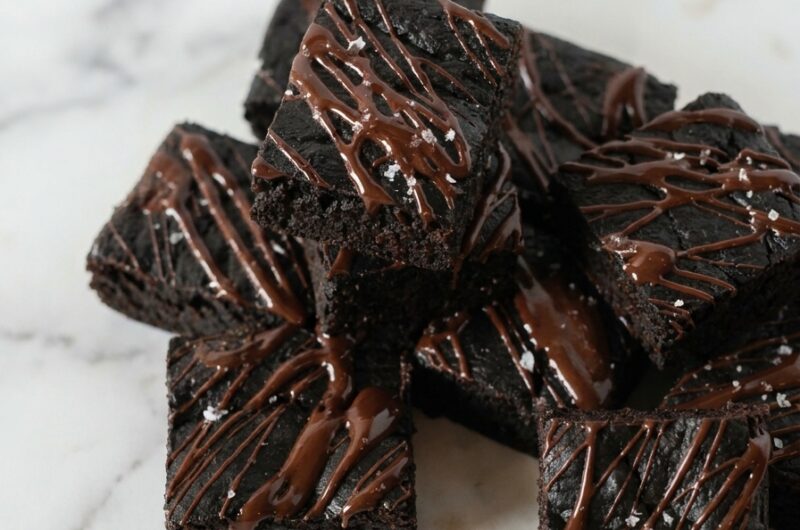
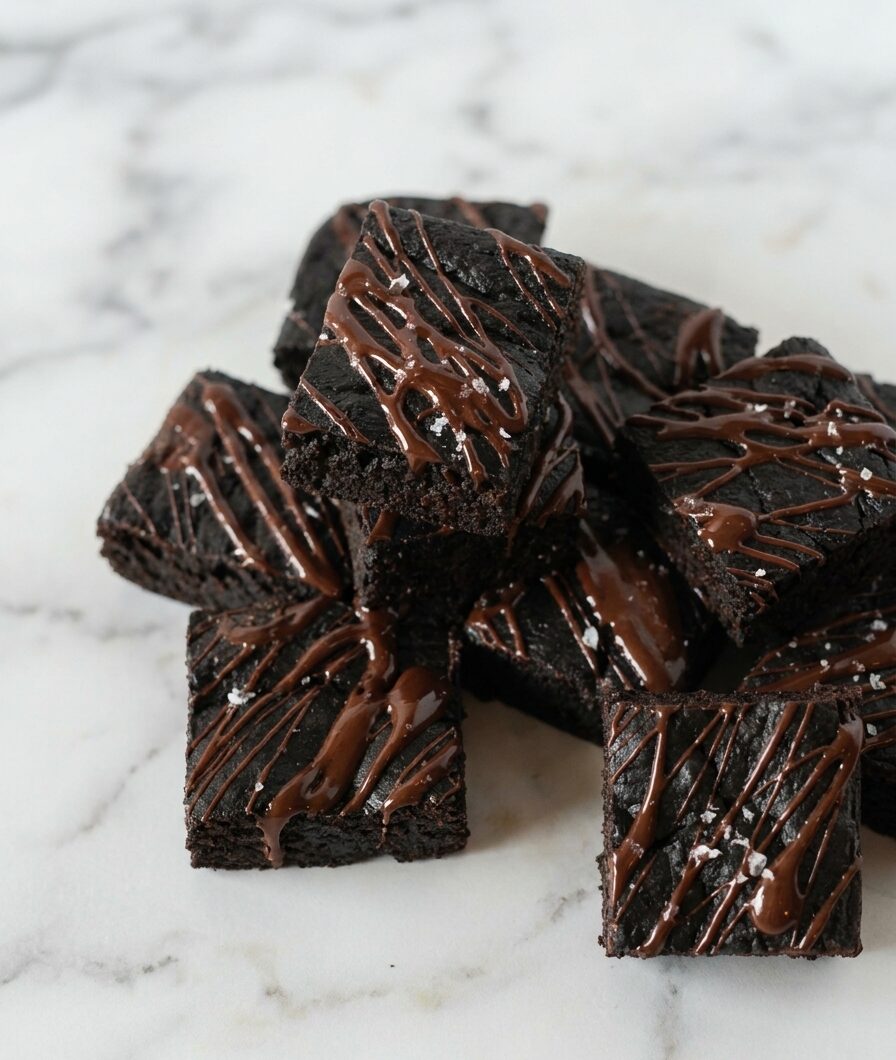
These healthy brownies can be served on their own because they already have plenty of chocolate flavor and a soft texture. For a more dessert-like presentation, you can drizzle the pieces with melted chocolate after they have cooled.
A small sprinkle of flaky sea salt can also be added over the top. The salty finish contrasts with the sweetness of the brownies and brings out the flavor of the dark chocolate. Keep the topping light so it does not overpower the brownie itself.
For a simple family dessert, cut the brownies into small squares and serve them after dinner. They can also be packed for an afternoon snack or enjoyed with coffee, tea, or a glass of milk.
Making the Brownies More Fudgy
The key to fudgy brownies is avoiding overbaking. These brownies contain butternut squash puree and cottage cheese, which help keep the mixture moist. Baking them for 30 minutes gives you the softer texture specified in the recipe.
After removing the pan from the oven, resist the urge to slice the brownies while they are very hot. The center continues to settle as the brownies cool. Giving them at least 15 minutes makes them easier to cut and helps the fudgy texture develop.
Making a Cakier Brownie
If you prefer a lighter and more cake-like brownie, the recipe provides a longer baking option. Bake the brownies for 38 minutes instead of 30 minutes. This gives the batter more time to set and produces a firmer texture.
The difference between fudgy and cakey brownies mainly comes down to how long they are baked. If you are making the recipe for the first time, the 30-minute version is a good starting point if you enjoy soft, moist brownies.
Can You Use Homemade Butternut Squash Puree?
Yes, homemade butternut squash puree works in this recipe. Cook the squash until it is tender, then blend it until smooth. Let the puree cool before measuring and adding it to the brownie batter.
The most important thing is to use a smooth puree with a consistency similar to canned puree. Very watery puree can change the texture of the batter, while large pieces of squash may prevent the mixture from becoming completely smooth.
Can You Taste the Cottage Cheese?
The cottage cheese is blended into the batter, so it does not remain in noticeable pieces. The strong chocolate flavor from the cocoa powder and dark chocolate chips helps keep the dessert tasting like a chocolate brownie.
Cottage cheese is included mainly for its creamy texture and protein content. Blending it thoroughly is important because a smooth mixture produces better results and keeps the finished brownies uniform.
Notes for Better Results
Use a properly lined 8-inch by 8-inch pan so the brownies can be removed easily after baking. Parchment paper also makes cleanup easier and helps you lift the entire batch from the pan before slicing.
For the smoothest batter, blend the wet and dry ingredients until there are no visible lumps. The dark chocolate chips should be added afterward and stirred in by hand so they remain intact during baking.
Let the brownies cool before slicing, particularly if you want them to hold their shape. If you cut them while they are still very warm, the center may look softer and the pieces may not come out as clean squares.
How to Store Butternut Squash Brownies
At room temperature, keep the brownies in an airtight container for up to 2 days. Make sure they are fully cooled before placing them into the container so excess warmth does not create condensation.
For longer storage, place the brownies in the refrigerator. They can be kept there for 5 to 6 days. Chilling also makes the brownies firmer and can give them an even fudgier texture.
You can also freeze individual brownie slices for up to 4 months. Wrap each piece separately before placing the brownies in a freezer-safe container or bag. Individual wrapping makes it easier to remove only the amount you want later.
Why These Brownies Work for the Whole Family
These brownies are a practical way to include butternut squash in a sweet recipe. The vegetable is blended into the batter, so there are no obvious chunks or pieces. Children who are unsure about vegetables may simply see these as chocolate brownies.
The recipe also avoids regular wheat flour and uses almond flour instead. With cottage cheese providing additional protein and butternut squash adding moisture, these brownies offer something different from a standard brownie recipe while still keeping the chocolate flavor families enjoy.
When to Make This Brownie Recipe
This recipe works well when you want a homemade dessert without spending a lot of time preparing the batter. The preparation takes only a few minutes, and most of the work happens in the blender and oven.
They are suitable for weeknight desserts, family snacks, lunchbox-style treats, or casual gatherings. Because the brownies can be stored in the refrigerator or freezer, you can also make them ahead of time and have them ready when you want something sweet.
Healthy Butternut Squash Brownies with Cottage Cheese
Rich, fudgy butternut squash brownies made with cottage cheese, almond flour, cocoa powder, and dark chocolate chips. This easy gluten-free brownie recipe has a soft texture, extra protein, and a hidden vegetable that blends smoothly into the chocolate batter.
12
servings5
minutes30
minutes129
kcal35
minutesIngredients
2 eggs
1 cup butternut squash puree
1 cup cottage cheese
2 tsp vanilla extract
1 cup almond flour
1/4 cup natural cane sugar
1/4 cup unsweetened cocoa powder
2 tsp baking powder
1/4 tsp sea salt
1/4 cup dark chocolate chips
Instructions
- Preheat the oven to 350 degrees F. Line an 8-inch by 8-inch baking pan with parchment paper so the brownies are easy to remove after baking. Add the eggs, butternut squash puree, cottage cheese, vanilla extract, almond flour, natural cane sugar, unsweetened cocoa powder, baking powder, and sea salt to a blender or food processor. Blend until the batter is completely smooth.
- Add the dark chocolate chips to the blended batter and stir them in by hand until they are evenly distributed throughout the mixture. Pour the butternut squash brownie batter into the prepared baking pan and spread it evenly. Bake for 30 minutes for fudgy brownies or 38 minutes if you prefer a cakier texture.
- Remove the brownies from the oven and allow them to cool for at least 15 minutes before slicing. For an optional topping, drizzle the brownies with melted chocolate and add a small sprinkle of flaky sea salt.
- Store leftovers in an airtight container at room temperature for up to 2 days, refrigerate for 5 to 6 days, or wrap individual slices and freeze for up to 4 months.
Nutrition Facts
- Calories: 129kcal
- Fat: 7g
- Carbohydrates: 12g
- Fiber: 2g
- Sugar: 6g
- Protein: 6g