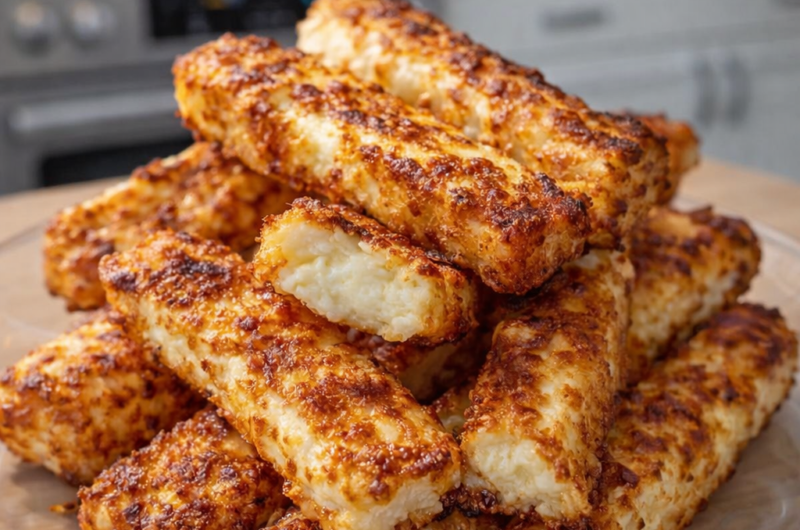
If you want an easy homemade breadstick recipe with extra protein, these cottage cheese breadsticks are worth trying. They have a golden top, a soft and cheesy center, and a light savory flavor from Italian seasoning. Cottage cheese adds protein without making the breadsticks taste overly rich, while almond flour and all-purpose flour create a simple dough that comes together quickly. With about 10 grams of protein per serving, these homemade breadsticks make a useful addition to breakfast, lunch, dinner, or snack time.
Why These Cottage Cheese Breadsticks Are Worth Making
Traditional breadsticks are usually made from yeast-based dough and can require mixing, kneading, rising, and shaping. This cottage cheese version takes a much simpler route. The ingredients are combined in one bowl, shaped directly on a prepared baking sheet, and baked until the surface becomes lightly golden. That makes the recipe especially convenient when you want fresh bread without spending hours in the kitchen.
The combination of cottage cheese, mozzarella, parmesan, almond flour, and all-purpose flour gives these breadsticks a satisfying texture. The cheese melts throughout the dough while the parmesan adds a slightly salty, savory flavor. Italian seasoning brings a familiar herb taste that works beautifully with pasta dishes, tomato-based soups, salads, and other comfort foods. They can also be enjoyed warm by themselves when you need a quick savory snack.
A Simple High-Protein Breadstick Recipe
One of the main reasons to make cottage cheese breadsticks is their protein content. Cottage cheese is naturally rich in protein, and using it as part of the dough gives these breadsticks more nutritional value than many standard bread recipes. The recipe provides approximately 10 grams of protein per serving according to the supplied nutrition information, making it an appealing choice for anyone looking for a high-protein snack or side dish.
The recipe also uses almond flour alongside all-purpose flour. Almond flour gives the breadsticks a slightly tender texture while contributing fiber and healthy fats. The all-purpose flour helps provide structure, so the finished breadsticks are sturdy enough to pick up and pull apart. Together, the ingredients create a texture that is softer and more substantial than a thin cracker while still developing a lightly crisp exterior during baking.
What Cottage Cheese Adds to the Dough
Cottage cheese is the ingredient that makes this recipe different from ordinary cheesy breadsticks. It contributes moisture and protein while blending into the dough with the other ingredients. Once baked, the cottage cheese works with the shredded mozzarella and grated parmesan to create a soft, cheesy interior.
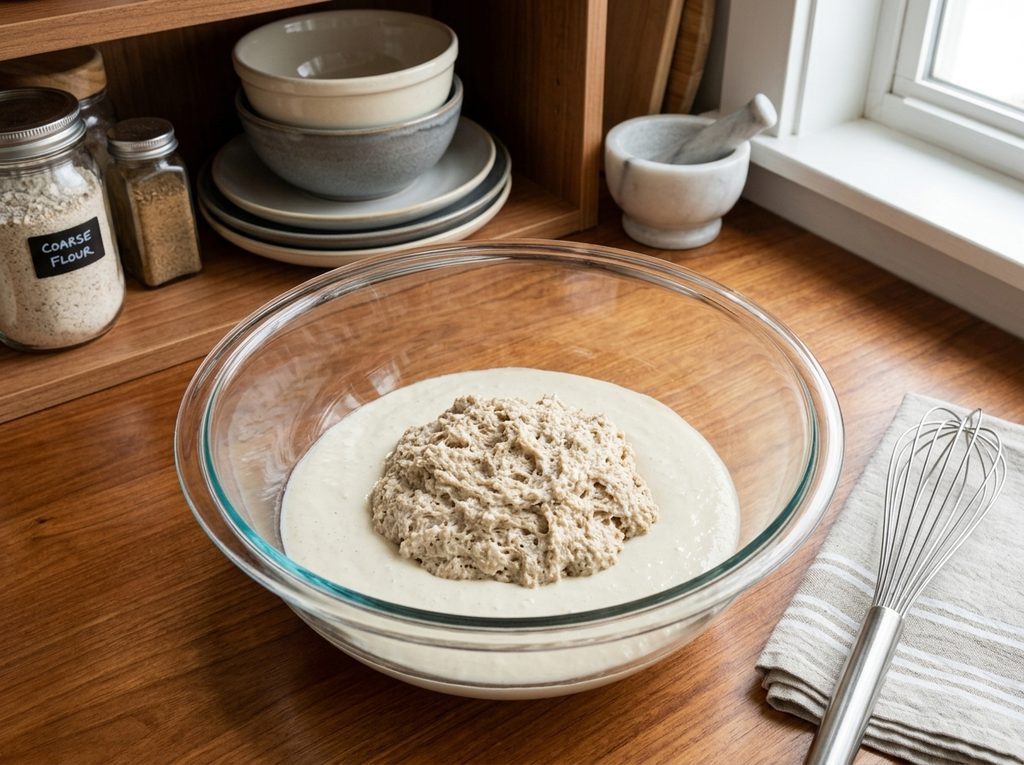
For the best result, combine the cottage cheese thoroughly with the dry ingredients. The mixture will form a thick dough rather than a smooth, traditional bread dough. There is no need to treat it like yeast dough or spend time kneading it. The goal is simply to bring the ingredients together evenly so that the cheese and seasonings are distributed throughout the mixture.
How to Make Cottage Cheese Breadsticks
Prepare the oven and baking sheet
Start by heating the oven to 350 degrees F. Line a baking sheet with parchment paper. The parchment creates a nonstick surface and makes cleanup easier after baking. Having the baking sheet prepared before mixing the dough also allows you to transfer and shape the mixture immediately.
Mix the breadstick dough
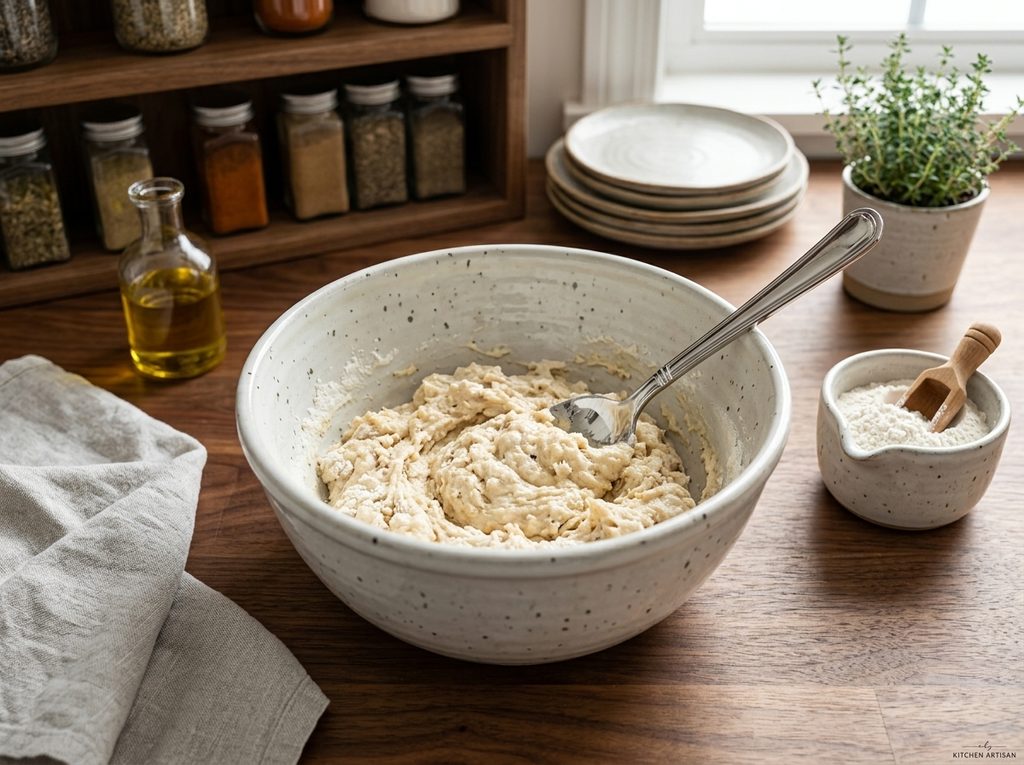
Add the cottage cheese, almond flour, all-purpose flour, sea salt, and Italian seasoning to a large mixing bowl. Stir the ingredients together until they form a thick dough. Once the base mixture has come together, add the shredded mozzarella and grated parmesan. Fold the cheeses into the dough so they are spread throughout rather than concentrated in one area.
This is a particularly convenient part of the recipe because everything can be mixed in one bowl. There is no requirement for a blender, food processor, stand mixer, or special bread-making equipment. A sturdy spoon or spatula is enough to combine the ingredients.
Shape the dough
Transfer the finished dough to the parchment-lined baking sheet. Shape it into a loaf approximately 1 inch thick. Try to keep the thickness reasonably even from one end to the other. An even shape helps the breadstick loaf bake consistently and makes it easier to divide into individual portions later.
The dough does not need to look perfect before baking. Since it will be sliced into breadsticks after cooking, focus on creating an evenly shaped loaf with a relatively uniform thickness. Keeping the loaf around 1 inch thick also helps the center cook properly while the outside develops a golden-brown finish.
Create pull-apart breadstick sections
A useful technique is to make light cuts across the dough about halfway through baking. Once the breadsticks have been in the oven for around half of their baking time, carefully remove the baking sheet and use a sharp knife to lightly mark breadstick lines across the loaf.
The cuts should guide where the breadsticks will separate without completely cutting through the loaf. This creates convenient pull-apart sections and makes the finished bread easier to divide. If you prefer clean slices, you can also wait until the bread has cooled and cut it with a sharp knife.
Getting the Best Texture
The final texture depends on both baking time and cooling time. The breadsticks should be baked until the top is golden brown and the center is cooked through. The supplied instructions give a cooking range of 20 to 30 minutes, so keep an eye on the bread during the final portion of baking.
Avoid slicing the bread immediately after removing it from the oven. Freshly baked bread is soft and delicate, and cutting it too soon can make the center appear less firm. Allowing the loaf to cool fully gives it time to set, making it much easier to slice or pull apart without damaging the shape.
Ways to Serve These Cheesy Breadsticks
These cheesy cottage cheese breadsticks are flexible enough to serve with many different meals. They pair particularly well with pasta because the Italian seasoning, mozzarella, and parmesan naturally complement tomato sauce and creamy pasta dishes. You can also serve them alongside soup, salad, roasted vegetables, or a simple protein-based dinner.
For a casual snack, serve the breadsticks on their own or alongside a dipping sauce. Their cheesy flavor means they do not necessarily need an accompaniment, especially when served warm. They can also add a satisfying side element to lunch without requiring a separate complicated bread recipe.
Cottage Cheese Breadsticks for Meal Planning
Homemade breadsticks can be useful for meal preparation because they provide a ready-made side for several different meals. Instead of preparing bread from scratch every time you make soup or pasta, you can prepare these breadsticks as part of your meal routine and have an easy side available.
Because the recipe requires only a short preparation period and a relatively quick baking time, it is also practical for busy days. The total preparation and cooking time listed in the recipe card is approximately 25 minutes, although the instructions allow the bread to bake for up to 30 minutes depending on how quickly it becomes golden and fully cooked.
Ingredient Notes
Cottage cheese
The recipe calls for 1 cup of 2% cottage cheese. This provides moisture and protein while helping create the soft texture inside the finished breadsticks. Since cottage cheese is an important part of the dough, use the specified amount for the intended balance of ingredients.
Almond flour
Almond flour gives the breadsticks a tender texture and adds a slightly nutty quality. It is combined with all-purpose flour rather than used alone, allowing the recipe to maintain enough structure for shaping and slicing.
All-purpose flour
All-purpose flour provides structure to the dough. The combination of almond flour and all-purpose flour helps create a breadstick that is soft enough to enjoy but firm enough to handle after cooling.
Cheese
Mozzarella and parmesan provide the main cheesy flavor. Mozzarella contributes a mild, melty quality, while parmesan gives the breadsticks a stronger savory and salty character. Combining both creates a more balanced cheese flavor than relying on one type alone.
Italian seasoning and sea salt
Italian seasoning adds herbs without requiring several individual dried spices. Sea salt enhances the flavor of the flour and cheese while keeping the overall taste savory and balanced. Since parmesan already contains salt, the specified amount of sea salt should be maintained rather than increased automatically.
How to Serve Them With Dinner
For a classic dinner combination, serve these breadsticks with pasta and your favorite sauce. They are also a natural match for tomato soup, vegetable soup, creamy soups, or a fresh green salad. Their cheesy Italian-inspired flavor makes them particularly suitable for meals where you would normally serve garlic bread or traditional breadsticks.
They can also be placed in the center of the table as a shareable side. Because the loaf can be scored into sections before it finishes baking, guests can pull apart individual portions. Alternatively, allow it to cool completely and slice it into uniform breadsticks for a more traditional presentation.
Notes for Better Results
Allow the bread to cool
Cooling is an important part of this recipe. The bread needs time to firm up after baking, so resist the temptation to slice it immediately. Once fully cooled, the loaf will be easier to handle and the individual breadstick sections will hold their shape better.
Watch the baking time
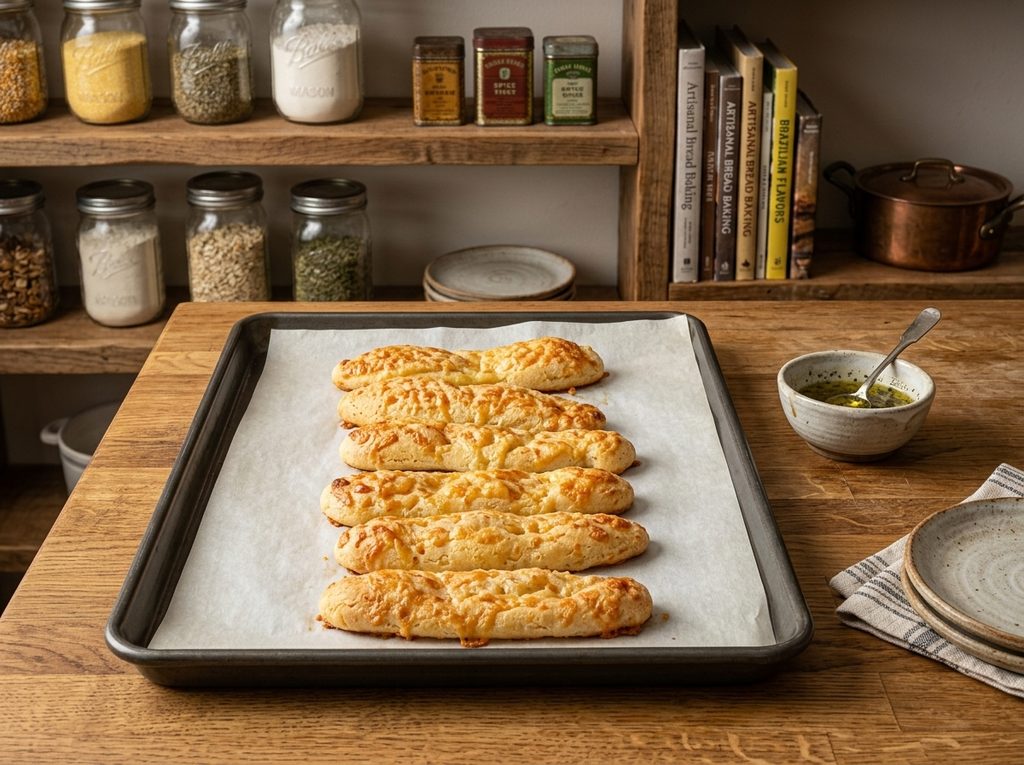
The recipe lists 20 to 30 minutes of baking time. Ovens can vary, so use the appearance and texture of the bread as your guide. The finished loaf should have a golden-brown surface and should be cooked through in the middle.
Keep the loaf evenly shaped
When forming the dough, aim for an approximately 1-inch-thick loaf. An even thickness helps prevent some areas from becoming overbaked while other parts remain undercooked. A consistent shape also makes it easier to create evenly sized breadstick sections.
Do not overcomplicate the dough
This recipe is designed to be straightforward. There is no need for yeast, rising time, or specialized equipment. Mix the ingredients until the dough comes together, incorporate the cheese, shape it, and bake. Keeping the process simple is part of what makes these breadsticks convenient.
Why This Recipe Works for Different Occasions
These high-protein cottage cheese breadsticks can fit into several types of meals. They are substantial enough to serve as a side but simple enough to prepare for an afternoon snack. The combination of protein, carbohydrates, fats, and cheese makes them more satisfying than many light snack options.
They can also make a nice change from ordinary toast or packaged bread. The Italian seasoning and melted cheese give them a homemade flavor, while the cottage cheese and almond flour add a different nutritional profile. Whether you are preparing a family dinner or simply want something savory from the oven, the recipe offers a practical option.
A Versatile Cottage Cheese Recipe
Another advantage of this dough is its flexibility. Once you become comfortable working with the basic mixture, the same style of dough can inspire other shapes and presentations. It can be formed as a flatbread or adapted into other baked creations. However, for this recipe, keeping the dough in a loaf shape makes it easy to bake, cool, and divide into breadsticks.
The recipe is especially appealing to people who enjoy cottage cheese recipes but do not necessarily want to eat cottage cheese on its own. Here, the cottage cheese becomes part of a cheesy baked snack, blending with the flour and seasonings to create a completely different texture and flavor.
Cottage Cheese Cheese Sticks
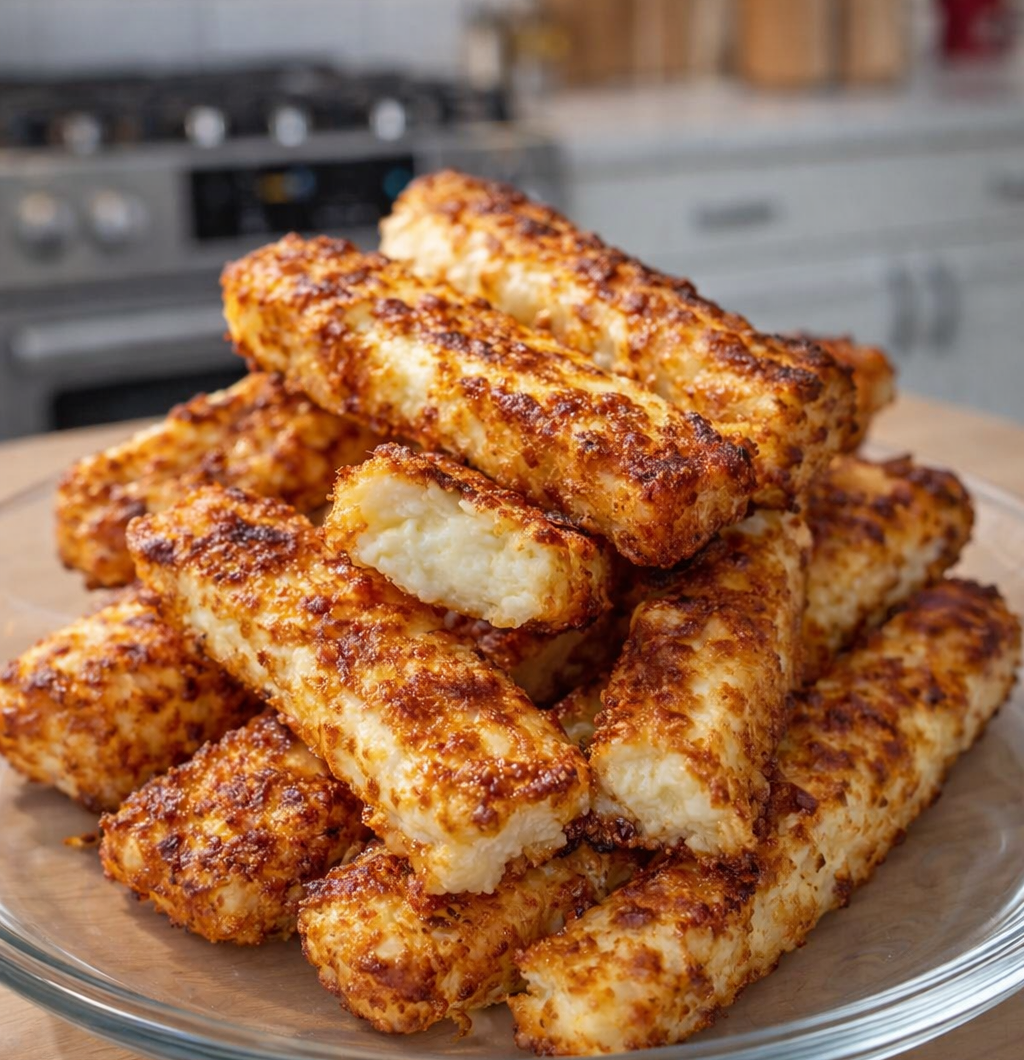
Golden-brown, cheesy cottage cheese breadsticks made with 2% cottage cheese, almond flour, all-purpose flour, mozzarella, parmesan, and Italian seasoning.
2
servings5
minutes20
minutes152
kcal25
minutesIngredients
1 cup 2% cottage cheese
1/2 cup almond flour
1/2 cup all-purpose flour
1/2 teaspoon baking powder
1/2 teaspoon Italian seasoning
1/4 teaspoon sea salt
1/3 cup shredded mozzarella cheese
1/4 cup grated parmesan cheese
Instructions
- Preheat the oven to 350 degrees F and line a baking sheet with parchment paper.
- In a large mixing bowl, combine the cottage cheese, almond flour, all-purpose flour, baking powder, sea salt, and Italian seasoning. Stir until the ingredients come together into a thick dough.
- Add the shredded mozzarella and grated parmesan. Fold the cheeses into the dough until they are evenly distributed.
- Transfer the dough onto the prepared baking sheet. Shape it into a loaf approximately 1 inch thick.
- Place the baking sheet in the preheated oven. Bake for 20–30 minutes, or until the top is golden brown and the bread is cooked through.
- Around halfway through baking, carefully use a sharp knife to lightly score breadstick lines across the loaf. This creates convenient pull-apart sections.
- Remove the bread from the oven and allow it to cool completely. Once cooled, slice along the marked sections or pull the loaf apart into individual breadsticks.
Nutrition Facts
- Total number of serves: 1
- Calories: 152kcal
- Fat: 8g
- Carbohydrates: 11g
- Fiber: 2g
- Sugar: 1g
- Protein: 10g