This easy cauliflower pizza crust is a simple way to enjoy homemade pizza with a lighter, gluten-free base. Made with cauliflower florets, grated Parmesan cheese, and eggs, the crust becomes firm enough to hold your favorite toppings. Italian seasoning and garlic powder can be added for extra flavor, while a small amount of oil helps soften the cauliflower during cooking.
Why Make Cauliflower Pizza Crust?
A homemade cauliflower pizza crust is a useful option when you want something different from traditional flour-based pizza dough. The cauliflower is cooked until very soft, combined with eggs and Parmesan, and baked until firm. The result has lightly crisp edges with a tender center that can be sliced and picked up when prepared properly.
What Makes This Crust Different?
Many cauliflower crust recipes can become soft or fragile if the vegetable retains too much moisture. The important step here is cooking the cauliflower until it is very soft before mixing it with the other ingredients. Removing excess moisture or mixing everything thoroughly helps create a crust that holds together much better after baking.
Is Cauliflower Pizza Crust Gluten Free?
Yes, this cauliflower pizza crust is naturally gluten free because it does not contain wheat flour, bread flour, or other gluten-containing grains. The main ingredients are cauliflower, Parmesan cheese, and eggs. Always check the labels of packaged Parmesan and seasonings if you need to avoid gluten completely.
Is This a Low Carb Pizza Crust?
Cauliflower is commonly used as a lower-carbohydrate alternative to flour-based pizza crusts. This recipe also uses eggs and Parmesan rather than flour, which keeps the carbohydrate content relatively low. According to the supplied nutrition information, one serving contains 5.1 grams of total carbohydrates and 3.4 grams of net carbohydrates.
Ingredients You Will Need
The main ingredient is about 1 1/2 pounds of cauliflower florets, which comes from approximately one large head of cauliflower. The florets are turned into cauliflower rice before cooking. Grated Parmesan cheese adds flavor and helps the crust become firm, while three large eggs help bind the mixture together.
Optional Seasonings
Italian seasoning and garlic powder are optional, so you can leave them out if you prefer a very simple crust. If you use them, they give the cauliflower mixture a more familiar pizza flavor. The recipe calls for 1/2 tablespoon of Italian seasoning and 1/2 teaspoon of garlic powder.
Oil for Cooking
A small amount of oil is used for cooking the cauliflower in a sauté pan. The purpose is not to deep-fry the vegetable but to lightly coat the pan while the cauliflower softens. Use enough oil to prevent sticking and allow the cauliflower to cook evenly without becoming overly greasy.
Prepare the Oven and Pan
Begin by preheating the oven to 400°F, which is 204°C. If you are using a pizza stone, place parchment paper on a pizza peel so the crust can be transferred easily. A pizza pan can also be used if you do not have a pizza stone.
Turn Cauliflower Into Rice
Place the cauliflower florets into a food processor and pulse them until they resemble rice. Avoid processing for too long because you want small pieces rather than a smooth puree. If your food processor has a grating attachment, you can use that instead to create an even texture.
Cook the Cauliflower Thoroughly
Transfer the cauliflower rice to a lightly oiled sauté pan over the stove. Cook it for about 10 minutes, stirring as needed, until the cauliflower is very soft. This step is important because undercooked cauliflower can leave the finished crust with an unpleasant texture and make it harder to form.
Mix the Binding Ingredients
While the cauliflower cooks, whisk three large eggs in a large mixing bowl. Add the grated Parmesan cheese and stir until the mixture is evenly combined. If you are using Italian seasoning and garlic powder, mix them into the egg and cheese mixture so the seasoning is distributed throughout the crust.
Remove Excess Moisture
Once the cauliflower is soft, you have two ways to continue. For one large pizza, place the cooked cauliflower in a clean kitchen towel and squeeze it over the sink. Removing excess moisture can help produce a firmer crust with better structure after baking.
The Easier Mixing Method
If you want to make two smaller pizzas, you can skip squeezing the cauliflower and stir it directly into the egg and Parmesan mixture. Mix everything very well, pressing the mixture with a spatula if necessary. The ingredients should be evenly distributed so the crust cooks consistently from the center to the edges.
Shape the Pizza Crust
Place the cauliflower mixture onto parchment paper and use your hands to spread it into a thin, even layer. Aim for approximately 1/4 inch, or 6.4 millimeters, in thickness. You can shape one large crust or divide the mixture to make two smaller pizzas, depending on the method you selected.
Why Thickness Matters
Keeping the cauliflower crust around 1/4 inch thick helps it cook through while allowing the edges to become lightly golden. A thicker layer may need more time to firm up, while an extremely thin layer can become fragile. Try to spread the mixture evenly rather than leaving a thick center and thin edges.
Bake the First Side
If you are using a pizza stone, carefully transfer the parchment paper and crust onto the preheated stone with a pizza peel. Otherwise, place the parchment and crust on a pizza pan and put it in the oven. Bake for about 15 minutes, or until the surface looks dry and firm and the edges become slightly golden.
Let the Crust Cool
After the first bake, remove the crust from the oven and let it cool at room temperature for at least 5 to 10 minutes. This short cooling period gives the crust time to firm up. It also makes the base easier to handle when you add sauce, cheese, vegetables, meat, or other pizza toppings.
Add Your Favorite Toppings
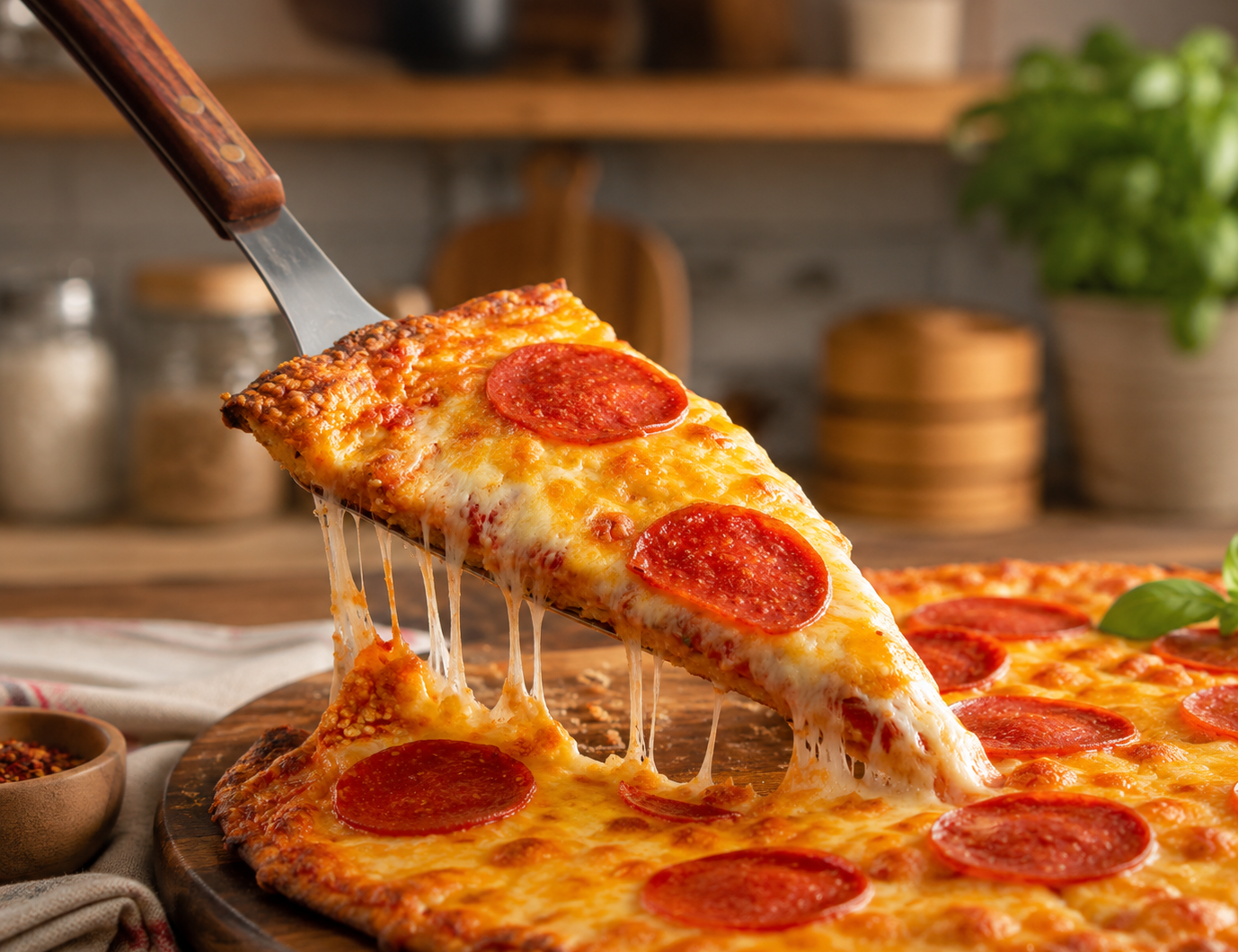
Once the crust has firmed, add the toppings you enjoy. You can use pizza sauce, mozzarella, cooked vegetables, mushrooms, chicken, or other suitable toppings. Keep the topping layer reasonable because a very heavy load can make the cauliflower crust softer and more difficult to pick up.
Finish Baking the Pizza
Return the topped cauliflower pizza to the oven and bake for another 5 to 10 minutes. The exact time depends on the toppings you choose and how much cheese you add. The pizza is ready when the cheese has melted and the toppings are heated through.
How to Get Crispier Edges
For crisp cauliflower pizza crust, focus on cooking the cauliflower until it is very soft and removing excess moisture when making one large pizza. Spreading the mixture evenly and avoiding an overly thick center also helps. Baking on a preheated pizza stone can provide a firmer base and nicely cooked edges.
How to Prevent a Soggy Crust
Moisture is the main issue to watch when making cauliflower pizza. If the cauliflower is still watery, the crust may remain soft even after baking. Cooking it thoroughly and squeezing it in a kitchen towel are useful steps for a firmer result, especially when preparing one large pizza.
One Large Pizza or Two Small Pizzas
The recipe can be shaped according to how you plan to serve it. For one large pizza, squeezing the cooked cauliflower is recommended because it removes extra moisture. For two smaller pizzas, mixing the cooked cauliflower directly into the egg and Parmesan mixture is an easier option.
Using a Pizza Stone
A pizza stone is recommended when available because it provides a hot surface underneath the parchment and can help the crust bake more evenly. Make sure the oven and stone are properly preheated before transferring the crust. Use a pizza peel to move the parchment and crust safely onto the stone.
Using a Pizza Pan
You do not need a pizza stone to make this recipe. A pizza pan works well and keeps the preparation simple. Place parchment paper on the pan, spread the cauliflower mixture evenly, and bake until the surface is firm and the edges show a little golden color.
How to Slice the Crust
Allowing the baked base to cool for several minutes before adding toppings helps it become easier to handle. After the final bake, you can slice the pizza with a sharp pizza cutter or knife. If the center is still very soft, give it a little additional baking time before serving.
What Does It Taste Like?
The crust has a mild cauliflower flavor combined with the savory taste of Parmesan cheese. Italian seasoning and garlic powder can make the base taste more like a traditional pizza crust. Because the crust is made without wheat flour, its texture is different from bread dough, but the baked edges can still become pleasantly crisp.
How to Make It for Family Pizza Night
This recipe is easy to adapt for different preferences. Make one large crust when everyone wants the same toppings, or prepare two smaller crusts so each person can choose their own toppings. Cook the bases first, let them firm up briefly, then finish each pizza separately.
Choosing Pizza Toppings
Since the crust is relatively delicate compared with a traditional flour crust, toppings should be balanced. A thin layer of pizza sauce and a moderate amount of cheese work well. Cook ingredients such as chicken or other meats before adding them to the pizza so everything is safely heated during the final bake.
Nutrition Information
The supplied nutrition information lists approximately 128 calories per serving, with 7.4 grams of fat and 11.2 grams of protein. It also provides 5.1 grams of total carbohydrates, 3.4 grams of net carbohydrates, 1.7 grams of fiber, and 1.9 grams of sugar per serving.
Protein in the Crust
Eggs and Parmesan cheese provide most of the protein in this cauliflower pizza crust. The supplied nutrition information lists 11.2 grams of protein per serving. The exact nutrition values can vary depending on the size of the cauliflower head, the specific Parmesan cheese used, and the amount of oil added during cooking.
Can You Make the Crust Ahead?
The crust is best when freshly baked, but you can prepare the base before adding toppings. Once the first bake is finished, let it cool and keep it covered until you are ready to continue. When you want to serve it, add your toppings and bake again until the cheese melts.
Notes for Better Results
Do not rush the cauliflower cooking step. The vegetable should become very soft before it is combined with the eggs and Parmesan. If making one large pizza, squeezing the cooked cauliflower in a kitchen towel is the preferred method for removing excess moisture and improving the texture of the finished crust.
Notes About the Optional Ingredients
Italian seasoning and garlic powder are optional, so the recipe can be made without either one. They do not change the basic method. If you like a stronger savory flavor, include both. If you prefer a neutral crust, simply leave them out while keeping the required cauliflower, Parmesan cheese, eggs, and oil.
Notes for Serving
Let the crust cool briefly after the first bake before adding toppings. This gives the base more strength and makes it easier to handle. After adding toppings, return it to the oven for 5 to 10 minutes, until the cheese melts and the pizza is hot.
Cauliflower Pizza Crust
A simple homemade cauliflower pizza crust made with cauliflower florets, Parmesan cheese, and eggs. The crust is gluten free, has lightly crisp edges, and can be topped with your favorite pizza ingredients.
8
servings15
minutes30
minutes128
kcal3.4
g45
minutesIngredients
1 1/2 lb cauliflower florets, from approximately 1 large head
1 1/2 cups grated Parmesan cheese
3 large eggs
1/2 tbsp Italian seasoning, optional
1/2 tsp garlic powder, optional
Oil for frying
Instructions
- Heat the oven to 400°F (204°C). Place parchment paper on a pizza peel if using a pizza stone, or place it on a pizza pan.
- Pulse the cauliflower florets in a food processor until they resemble rice. Cook the cauliflower rice in a lightly oiled sauté pan for about 10 minutes, stirring until very soft.
- Whisk the eggs in a large bowl, then mix in the Parmesan cheese. Add the Italian seasoning and garlic powder if using. Stir in the cooked cauliflower, mixing thoroughly.
- For one large pizza, squeeze the cooked cauliflower in a kitchen towel first to remove excess moisture. Spread the mixture on parchment paper to about 1/4 inch thick.
- Transfer the parchment and crust to the pizza stone or pan. Bake for about 15 minutes, until the surface is dry and firm and the edges are slightly golden. Cool for 5 to 10 minutes.
- Add your preferred pizza toppings, then return the pizza to the oven for 5 to 10 minutes, until the cheese melts and the toppings are hot.
Nutrition Facts
- Total number of serves: 1
- Calories: 128kcal
- Carbohydrates: 5.1g
- Fiber: 1.7g
- Sugar: 1.9g
- Protein: 11.2g