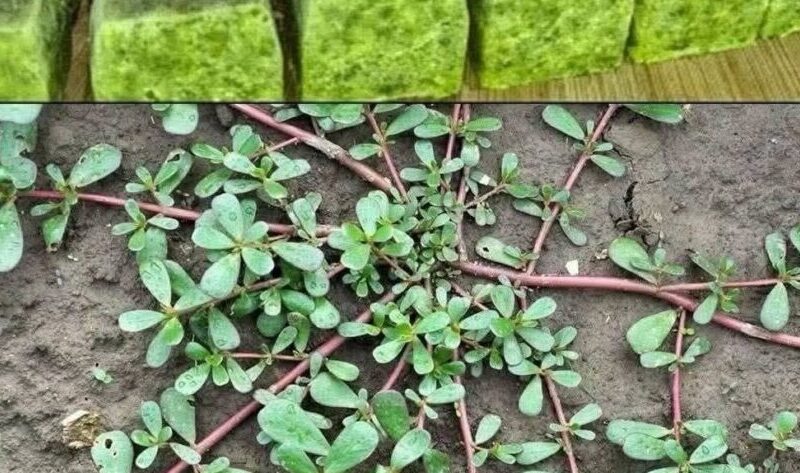
This recipe transforms fresh purslane — a nutrient-dense leafy green often mistaken for a garden weed — into convenient frozen cubes that can be dropped directly into soups, stews, rice, pasta, or smoothies whenever extra flavor and nutrition are needed. Blended with garlic, lemon juice, olive oil, and simple seasonings before freezing, these cubes preserve purslane’s fresh taste and nutritional value far longer than the plant would last on its own, since fresh purslane has a relatively short shelf life.
What makes this preservation method effective is that it skips blanching entirely, blending the purslane raw before freezing rather than cooking it first. This approach retains more of the plant’s bright flavor and vibrant color compared to drying or other preservation methods, while also saving time later, since the cubes go straight into recipes without any additional washing or chopping.
Below is a full breakdown of the workflow, ingredient roles, and technique for building well-preserved, flavorful cubes, along with proper freezing and storage guidance.
What Is Purslane and Why Is It Considered a Superfood?
Purslane is a leafy succulent plant that has been eaten in many cultures for centuries. Despite often being mistaken for a common garden weed, it’s actually one of the most nutrient-rich edible greens available, containing vitamins A, C, and E, several B vitamins, potassium, magnesium, calcium, and iron. One of its most notable nutritional advantages is its naturally occurring plant-based omega-3 fatty acids, which is unusual among leafy vegetables. Its crisp texture and mild, lemony flavor make it suitable for both raw and cooked dishes, and freezing it in cube form preserves these nutrients while creating an ingredient that’s always ready to use.
Why Freezing Purslane Is a Smart Kitchen Strategy
Turning fresh purslane into frozen cubes extends its usability for several months while minimizing waste, which matters given its short shelf life. Unlike drying, which can reduce flavor and texture, freezing preserves much of the fresh taste and vibrant green color. Blending the greens before freezing also saves preparation time later, since the cubes can be added directly into recipes without any additional chopping or washing — a particularly useful feature for busy households that want healthy homemade meals without extensive daily prep.
Kitchen Workflow: How the Process Is Organized
This recipe breaks into three stages: preparing the purslane, blending, and freezing for storage.
Stage 1 — Prepare the Purslane. The purslane is washed thoroughly, and any thick or woody stems are removed, keeping only the tender stems and leaves. This step ensures the finished puree has a smooth, pleasant texture rather than being interrupted by fibrous, woody bits that wouldn’t blend down properly.
Stage 2 — Blend. The prepared purslane, garlic, lemon juice, olive oil, salt, and black pepper are placed into a blender or food processor and blended until a smooth, bright green puree forms. If the mixture is difficult to blend, a teaspoon of water or a bit more olive oil can be added to help it along. Fresh garlic and freshly squeezed lemon juice are recommended for the best flavor and brightest color, since lemon juice also helps maintain the vibrant green hue of the puree during blending.
Stage 3 — Freeze for Storage. The blended mixture is spooned or poured evenly into a standard ice cube tray, which is placed in the freezer until the cubes are completely frozen. Once solid, the cubes are transferred to an airtight freezer bag or freezer-safe container for long-term storage. Freezing the cubes as soon as possible after blending is what preserves their vibrant color and nutritional value most effectively.
Component Breakdown
It’s useful to think of this recipe in terms of four functional components.
1. The Nutrient-Dense Base — Purslane Fresh purslane leaves and tender stems form the core of this recipe, providing vitamins, minerals, antioxidants, fiber, and notably, naturally occurring omega-3 fatty acids — a nutrient rarely found in meaningful amounts in leafy vegetables.
2. The Bold Flavor — Garlic Fresh garlic provides bold flavor that complements the mild, lemony taste of the purslane itself.
3. The Brightness and Color Preservation — Lemon Juice Lemon juice adds brightness to the flavor while also helping maintain the puree’s vibrant green color during blending and freezing. Freshly squeezed lemon juice, rather than bottled, is recommended for the freshest flavor.
4. The Texture and Healthy Fat — Olive Oil Olive oil improves the texture of the puree, helping create a smooth blend while contributing healthy fats.
The Importance of Using Fresh Ingredients
The quality of the finished cubes depends heavily on the freshness of the ingredients used. Vibrant green leaves with crisp, tender stems should be chosen, while wilted or yellowing pieces should be avoided. Thorough washing removes dirt and debris that may collect among the leaves. Taking the extra time to select and prepare high-quality ingredients ensures that every frozen cube delivers strong taste, nutrition, and color once thawed and used in cooking.
Creative Ways to Use Frozen Purslane Cubes
These cubes are versatile beyond soups and stews. They can be stirred into cooked rice for added color and nutrition, blended into green smoothies, or melted into pasta sauces for an extra serving of vegetables. They also work well in vegetable curries, casseroles, quinoa bowls, bean dishes, scrambled eggs, and homemade salad dressings. Some cooks mix thawed cubes into yogurt-based dips or spread them over toasted bread alongside fresh vegetables. Because the puree has a mild flavor, it complements a wide range of cuisines without dominating the overall taste of a dish.
Step-by-Step Assembly Strategy
To build well-preserved, flavorful purslane cubes, follow this sequence:
- Wash the purslane thoroughly and remove any thick or woody stems, keeping only the tender stems and leaves.
- Place the prepared purslane, garlic, lemon juice, olive oil, salt, and black pepper into a blender or food processor.
- Blend until a smooth, bright green puree forms. If blending becomes difficult, add a teaspoon of water or a little more olive oil to help achieve a smooth consistency.
- Spoon or pour the blended mixture evenly into a standard ice cube tray.
- Place the tray in the freezer until the cubes are completely frozen.
- Remove the frozen cubes from the tray and transfer them to an airtight freezer bag or freezer-safe container for long-term storage.
- Use one or two frozen cubes directly in soups, stews, rice dishes, sauces, or smoothies whenever extra flavor and nutrition are desired.
Proper Freezing and Storage Techniques
After blending, the puree should be evenly distributed into clean ice cube trays, with each compartment filled consistently. Trays should be placed on a flat freezer shelf to prevent spilling while freezing. Once the cubes are completely solid, they should be transferred immediately into airtight freezer bags or freezer-safe containers, labeled with the preparation date for easy tracking. Removing excess air from storage bags helps minimize freezer burn and keeps the cubes tasting fresh for longer. Properly stored cubes remain convenient for several months.
Notes for Best Results
Always use tender leaves and young stems, discarding thick, woody portions before blending. Wash the greens thoroughly to remove dirt or grit, and blend until completely smooth for even freezing and easier incorporation into recipes. If the mixture becomes too thick, add only a small amount of water or slightly increase the olive oil to achieve a creamy consistency without making the puree watery. Freeze the cubes as soon as possible after blending to preserve their vibrant color and nutritional value, and store only fully frozen cubes in airtight containers to maintain freshness.
Frequently Asked Questions
Can I freeze purslane without blanching it? Yes. This recipe is specifically designed to preserve raw purslane by blending it fresh before freezing, which helps retain its bright flavor while making it convenient for future cooking.
How long do the frozen cubes last? When stored in airtight freezer bags or containers, the cubes generally maintain their best quality for several months while remaining safe to use when continuously frozen.
Can I use these cubes in smoothies? Absolutely. Add one or two frozen cubes directly into a blender along with fruits, vegetables, or yogurt for an easy nutritional boost.
Is purslane suitable for soups and stews? Yes. The cubes dissolve easily into hot liquids, naturally thickening soups and adding a fresh green flavor without requiring additional preparation.
Can I adjust the seasonings? Yes. While maintaining the original ingredients, the amount of salt and black pepper can be varied according to personal preference after thawing or during cooking.
Part 2: Recipe Card
Pure Purslane Superfood Cubes
Description: A convenient freezer-friendly recipe made with fresh purslane, garlic, lemon juice, olive oil, and simple seasonings. These frozen cubes preserve the fresh taste and nutritional value of purslane, making it easy to enrich soups, stews, rice, smoothies, and many other dishes with minimal effort.
Duration:
- Preparation Time: 10 minutes
- Blending Time: 5 minutes
- Freezing Time: 4–6 hours
- Total Time: Approximately 4 hours 15 minutes
- Servings: Approximately 10–12 cubes
Ingredients:
- 2 to 3 cups fresh purslane leaves and tender stems, thoroughly washed
- 1 to 2 cloves garlic
- Juice of 1 lemon
- 1 to 2 tbsp olive oil, using only enough to help the mixture blend smoothly
- Salt, to taste
- Black pepper, to taste
Instructions:
- Wash the purslane thoroughly and remove any thick or woody stems, keeping only the tender stems and leaves.
- Place the prepared purslane, garlic, lemon juice, olive oil, salt, and black pepper into a blender or food processor.
- Blend until a smooth, bright green puree forms. If blending becomes difficult, add a teaspoon of water or a little more olive oil to help achieve a smooth consistency.
- Spoon or pour the blended mixture evenly into a standard ice cube tray.
- Place the tray in the freezer until the cubes are completely frozen.
- Remove the frozen cubes from the tray and transfer them to an airtight freezer bag or freezer-safe container for long-term storage.
- Use one or two frozen cubes directly in soups, stews, rice dishes, sauces, or smoothies whenever extra flavor and nutrition are desired.
Notes:
- Use only tender leaves and young stems, discarding thick, woody portions before blending.
- If the mixture is too thick, add a small amount of water or extra olive oil rather than letting it become watery.
- Freeze the cubes as soon as possible after blending to preserve color and nutritional value.
- Nutrition (per cube, approximate, based on 12 cubes): Calories: 18, Protein: 0.4 g, Carbohydrates: 1 g, Fat: 1.5 g, Saturated Fat: 0.2 g, Fiber: 0.4 g, Sugar: 0.1 g, Sodium: varies depending on added salt. Good source of Vitamin A and Vitamin C, with naturally present omega-3 fatty acids from the purslane.
Medical and Nutritional Disclaimer
The information provided in this recipe and guide is intended for general informational and educational purposes only and does not constitute medical, dietary, or nutritional advice. Nutritional values listed are automatically calculated estimates and should be used as an approximation only; actual values may vary based on specific ingredients, brands, and portion sizes used. This recipe is not intended to diagnose, treat, cure, or prevent any disease or health condition. Individuals should correctly identify any foraged or garden greens before consuming them, as some plants can resemble edible varieties while being harmful. Individuals with food allergies, dietary restrictions, or specific medical conditions should consult with a qualified healthcare provider or registered dietitian before making dietary changes or preparing this recipe. The author and publisher assume no responsibility for any adverse effects resulting from the use or application of the information contained herein.