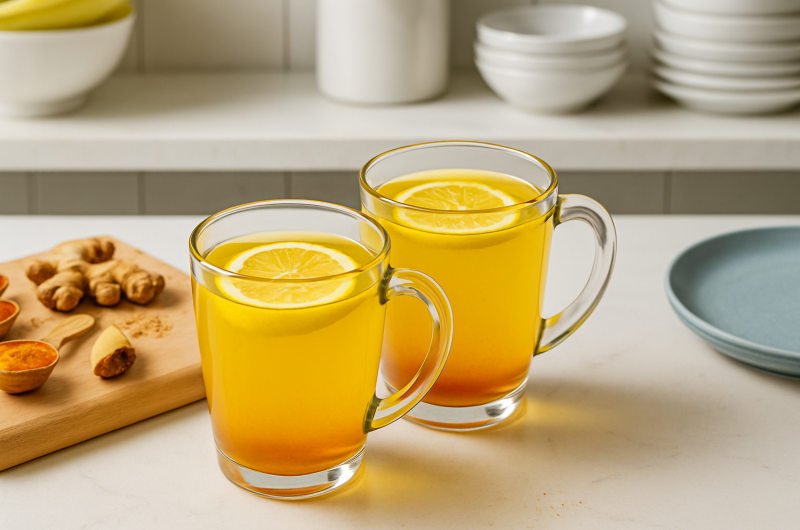
Ginger water has become one of the most searched healthy drink recipes for people looking to start their day with something fresh, natural, and low in calories. This simple homemade detox drink combines fresh ginger root, bright lemon juice, and clean water to create a refreshing wellness beverage. It is easy to prepare, affordable, and fits perfectly into many healthy lifestyles. Whether enjoyed warm in the morning or chilled in the afternoon, this ginger lemon detox water offers a clean, vibrant flavor that feels both soothing and energizing.
A Simple Three-Ingredient Detox Water Recipe
One of the biggest reasons this ginger lemon water recipe remains popular is its simplicity. You only need fresh ginger, a ripe lemon, and water. There are no artificial ingredients, added preservatives, or complicated steps involved. Many people searching for homemade detox drinks or natural immunity-boosting beverages prefer recipes that use whole ingredients. Despite its minimal ingredient list, this drink delivers bold flavor. The spicy warmth of ginger blends beautifully with the tangy brightness of lemon, creating a naturally balanced taste.
The Balanced Flavor Profile of Ginger and Lemon
Fresh ginger has a bold, slightly spicy flavor that adds warmth and depth to the water. Lemon brings acidity and citrus freshness, which balances the earthiness of ginger. Together, they create a drink that tastes clean and revitalizing. The combination works equally well as hot ginger lemon tea or as cold infused water. Because the ingredients are natural and flexible, you can adjust the intensity to match your taste preferences without losing the refreshing character of the drink.
Why This Detox Drink Is Trending in Wellness Communities
Interest in natural wellness drinks continues to grow, especially among people seeking simple ways to support hydration and healthy habits. Ginger lemon water is often associated with morning detox routines, digestive support, and immune-friendly ingredients. While it is not a miracle cure, many people appreciate it as a light, refreshing beverage that replaces sugary drinks. It is naturally low in calories and contains no caffeine, making it suitable for nearly any time of day.
The Benefits of Using Fresh Ginger Root
Fresh ginger root is the key ingredient that gives this drink its signature warmth. When sliced thinly or grated, ginger releases natural oils that infuse the water with flavor. Younger ginger tends to taste milder and slightly sweeter, while mature ginger has a stronger and spicier profile. Choosing fresh, firm ginger ensures the best flavor. Avoid pieces that appear shriveled or soft. Proper preparation, such as gentle simmering, allows the ginger to release its bold aroma and taste fully.
The Importance of Fresh Lemon Juice
Freshly squeezed lemon juice makes a noticeable difference in both taste and aroma. Bottled lemon juice often lacks the bright citrus freshness that real lemons provide. Selecting lemons that feel heavy for their size usually ensures they are juicy. Rolling the lemon gently on a countertop before cutting helps release more juice. Adding lemon juice after heating the ginger water preserves its crisp flavor and keeps the drink tasting vibrant and clean.
Choosing Quality Water for the Best Taste
Water may seem basic, but it significantly affects the final flavor. Using clean, filtered water ensures there are no unwanted tastes that could interfere with the ginger and lemon. Some people prefer mineral water for added crispness, while others use standard filtered water. Because this recipe contains only three ingredients, water quality matters. A clean base allows the natural flavors of ginger and lemon to shine through clearly.
Step-by-Step Preparation for Warm Ginger Lemon Water
To prepare warm ginger lemon water, start by washing the lemon and ginger thoroughly. Peel the ginger using a spoon or vegetable peeler, then slice it thinly for a balanced infusion. Add the ginger slices to a saucepan filled with water and bring it to a gentle boil. Reduce the heat and let it simmer for about 10 to 15 minutes. After removing from heat and allowing it to cool slightly, stir in freshly squeezed lemon juice. Strain if desired and serve warm.
How to Make Cold Ginger Lemon Detox Water
For a refreshing cold version, allow the ginger-infused water to cool completely before adding lemon juice. Refrigerate until chilled, then serve over ice with extra lemon slices. This chilled ginger lemon water feels especially refreshing during warm weather. The crisp citrus flavor and subtle ginger spice make it an excellent alternative to sugary soft drinks. Adding a few mint leaves can enhance freshness without altering the original ingredient structure.
Overnight Infusion Method for Milder Flavor
If you prefer a lighter taste, you can prepare an overnight infused version. Combine sliced ginger, lemon slices, and cold water in a glass pitcher. Cover and refrigerate overnight to allow the flavors to infuse gradually. This method produces a smoother and less intense drink compared to simmering. It works well for those who enjoy subtle flavor while still benefiting from the natural combination of ginger and lemon.
Customizing the Flavor Naturally
Although the core ingredients remain the same, small adjustments allow personalization. Adding a small amount of honey can soften the acidity and add gentle sweetness. Fresh mint leaves introduce cooling notes. Extra lemon juice increases brightness, while additional ginger strengthens the spice level. Because the base recipe is simple, you can adjust quantities easily without changing the fundamental structure. This flexibility is one reason the drink remains widely popular.
Serving Suggestions for Different Occasions
Ginger lemon water pairs well with healthy breakfasts, light lunches, or afternoon snacks. It complements fruit bowls, toast, salads, and sandwiches. Many people enjoy it first thing in the morning before coffee or as an evening caffeine-free alternative. Serving it in a clear glass pitcher with lemon slices adds visual appeal, making it suitable for brunch gatherings or wellness-focused meals.
Storage Guidelines for Freshness
Store prepared ginger lemon water in a glass container in the refrigerator. It is best consumed within 24 to 48 hours for optimal flavor. Always keep it chilled and stir before serving if natural settling occurs. Avoid extended storage, as lemon can develop a slightly bitter taste over time. Using airtight containers helps preserve freshness and maintain the bright citrus aroma.
Notes for Best Results
Use fresh ginger and freshly squeezed lemon juice for the cleanest flavor. Simmer ginger gently rather than boiling aggressively to prevent bitterness. Add lemon juice after removing from heat to preserve brightness. Adjust ginger quantity based on your spice tolerance. If reusing ginger slices for a second batch, expect a milder infusion. These simple practices ensure consistent, refreshing results.
Why This Recipe Fits into a Balanced Lifestyle
This ginger lemon detox water works well for those seeking simple, natural beverage options. It supports hydration and provides a flavorful alternative to sugary drinks. Because it contains only basic ingredients, it fits easily into keto, low-calorie, and wellness-focused routines. The ease of preparation and minimal equipment required make it practical for daily use. Its comforting warmth in winter and refreshing chill in summer make it a year-round favorite.
A Timeless Homemade Wellness Drink
Ginger and lemon have been used in homemade drinks for generations. Their combined flavor remains timeless because it is both bold and refreshing. This easy ginger lemon water recipe demonstrates how simple ingredients can create a satisfying beverage without unnecessary additives. Whether enjoyed as a warm morning ritual or a chilled afternoon refresher, this drink offers natural flavor and effortless preparation.
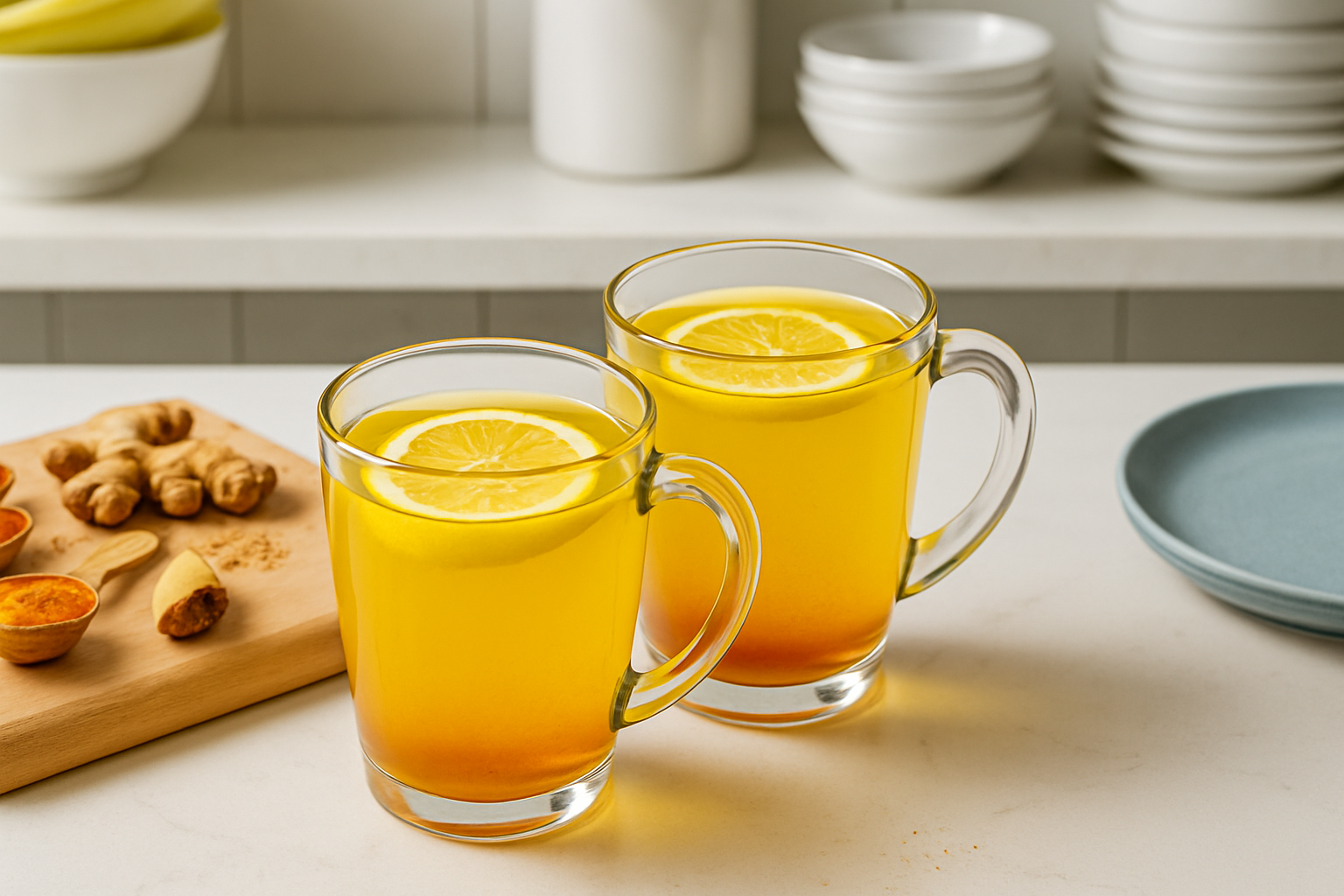
Ginger Water Recipe
A refreshing homemade ginger lemon detox water made with fresh ingredients and simple preparation.
4
servings10
minutes15
minutes25
kcal25
minutesIngredients
1–2 inches fresh ginger root, sliced or grated
1 medium fresh lemon, juiced
3–4 cups water
Honey, mint leaves, lemon slices, or ice cubes
Instructions
- Wash the ginger and lemon thoroughly under running water.
- Peel the ginger and slice it thinly or grate it for stronger flavor.
- Cut the lemon in half and squeeze out the fresh juice. Remove seeds.
- Pour water into a saucepan and add the ginger slices.
- Bring to a gentle boil, then reduce heat and simmer for 10–15 minutes.
- Remove from heat and allow the ginger water to cool slightly.
- Strain the liquid into a pitcher if desired.
- Stir in the fresh lemon juice.
- Taste and adjust with extra water or lemon juice if needed.
- Serve warm or chilled over ice.
Notes
- Store in the refrigerator for up to 48 hours.
- Add honey for sweetness if desired.
- Fresh mint leaves make a refreshing addition.
- Best enjoyed fresh for maximum flavor.
Nutrition Facts
- Serving Size: 1 g
- Total number of serves: 1
- Calories: 25kcal
- Fat: 0g
- Carbohydrates: 6g
- Fiber: 1g
- Sugar: 2g
- Protein: 0g
Medical and Nutritional Disclaimer: The information provided in this recipe and guide is intended for general informational and educational purposes only and does not constitute medical, dietary, or nutritional advice. This recipe is not intended to diagnose, treat, cure, or prevent any disease or health condition. Individuals with food allergies, dietary restrictions, or specific medical conditions should consult with a qualified healthcare provider or registered dietitian before making dietary changes or preparing this recipe. The author and publisher assume no responsibility for any adverse effects resulting from the use or application of the information contained herein.