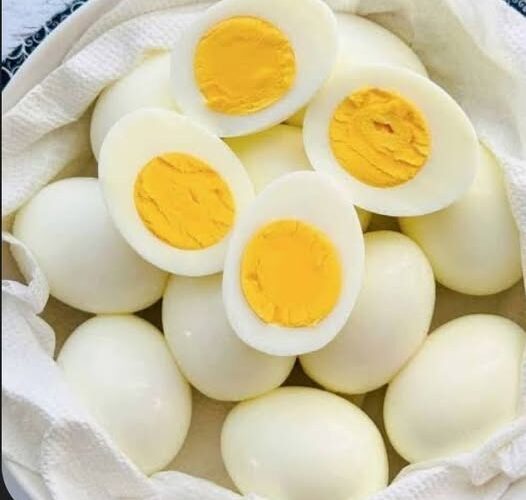
This is a hands-off method for making hard-boiled eggs using the air fryer instead of a pot of boiling water. There’s no need to watch a pot or wait for water to come to a boil — the eggs go into the basket, cook using circulating hot air, and come out with firm whites and smooth, evenly cooked yolks. A quick ice bath afterward stops the cooking process and makes peeling significantly easier.
This is a genuinely one-ingredient recipe: just six large eggs, with no oil, water, or seasoning needed during cooking. It’s well suited to meal prep, since a single batch gives you a protein-rich ingredient ready to use throughout the week for breakfasts, salads, sandwiches, or snacks.
Because there’s no water to bring to a boil first, this method also tends to feel faster and more convenient than the traditional stovetop approach, even though the actual cooking time is similar. There’s also very little cleanup involved — instead of washing a saucepan and dealing with hot water afterward, the only thing that may need cleaning is the air fryer basket itself. Once you find the timing that works well for your specific appliance, it’s a method you can repeat with the same dependable results every time.
Getting Everything Ready
Because this recipe has only one ingredient, the real preparation is about equipment and timing rather than measuring anything.
Equipment to have ready:
- An air fryer
- An air fryer basket
- A medium bowl
- Cold water
- Tongs or a spoon, for removing the eggs
- A kitchen towel
Ingredients to have ready:
- 6 large eggs, room temperature
Letting the eggs come to room temperature before cooking, rather than placing them in cold from the refrigerator, is a small step that makes a real difference — it reduces the temperature difference between the eggs and the hot air, helping them cook more evenly throughout.
Workflow: How the Process Comes Together
This recipe follows a simple, linear sequence:
- Bring the eggs to room temperature, if they’ve been refrigerated.
- Preheat the air fryer while the eggs come up to temperature.
- Arrange the eggs in a single layer in the basket, with space between each one.
- Cook without flipping or shaking for the full cooking time.
- Transfer immediately to a cold water bath as soon as cooking finishes.
- Let the eggs cool for 8 to 10 minutes before peeling or refrigerating.
Because the cold water bath needs to happen immediately after cooking, having the bowl of cold water ready and waiting before the timer goes off — rather than scrambling to fill it afterward — keeps the transition smooth and prevents the eggs from sitting in residual heat longer than necessary.
Approved Variations & Swaps
Based strictly on what’s built into this recipe, here are the ways it’s meant to be used and served:
- Batch size: the base recipe uses 6 eggs, though the same method scales to however many eggs comfortably fit in a single layer in your basket.
- Serving styles: enjoy plain with toast and fruit for breakfast, sliced over a green salad, mashed with mayonnaise for classic egg salad, seasoned with salt and pepper as a snack, or packed into lunch boxes.
- Storage form: eggs can be stored either unpeeled or peeled, with different storage windows for each.
No other ingredient substitutions are specified in the source recipe, since this is a single-ingredient method rather than one built around swappable components. Because the eggs themselves are unseasoned during cooking, all of the flavor variety comes from how they’re served afterward — which is part of why this method works so well as a meal-prep base rather than a finished dish on its own.
Step-by-Step Cooking Strategy
A handful of specific details are what separate consistently perfect hard-boiled eggs from unevenly cooked ones.
Start with room-temperature eggs. This is one of the simplest and most effective ways to achieve even cooking throughout, since it reduces the shock of going from cold to hot.
Preheat the air fryer fully before adding the eggs. Starting with a fully heated appliance, rather than one still coming up to temperature, produces more consistent results batch to batch.
Arrange the eggs in a single layer with space between them. Overcrowding the basket reduces airflow and can lead to uneven cooking — leaving room for hot air to circulate around each egg is what ensures they all cook the same way.
Don’t flip or shake the basket during cooking. Circulating air cooks the eggs evenly from every side on its own, making this one of the more genuinely hands-off methods for hard-boiled eggs.
Transfer to cold water immediately once the timer ends. Leaving eggs in the air fryer after cooking finishes lets residual heat continue cooking them, which can affect the yolk’s texture — moving them to cold water right away stops that process at the right point.
Give the eggs the full 8 to 10 minutes in the cold water bath. This isn’t just about cooling for the sake of temperature — it also directly makes peeling easier once the eggs are ready to be shelled.
Handle hot eggs carefully during the transfer. Moving them from the hot basket to the cold water requires a bit of care, ideally with tongs or a spoon rather than bare hands.
Adjust cooking time slightly for your specific air fryer if needed. Since models vary, if your first batch comes out over- or under-done, a minute or two adjustment on your next attempt should dial it in.
Common Mistakes to Avoid
A few missteps come up often enough with this method that they’re worth calling out directly, since each one has a simple fix.
Skipping the room-temperature step. Placing refrigerator-cold eggs directly into the hot air fryer may still work, but it generally produces less even results than letting them warm up first.
Leaving the eggs in the air fryer after the timer ends. Residual heat can continue cooking the eggs even after the cycle finishes, which can push the yolks past the texture you were aiming for.
Skipping the cold water bath entirely. This step does double duty — it prevents overcooking and makes peeling meaningfully easier, so it’s not a step to shortcut even if you’re in a hurry.
Overcrowding the basket. Too many eggs packed too closely reduces airflow around each one, which can lead to uneven cooking across the batch.
Air Fryer Hard-Boiled Eggs
Description: A quick, hands-off way to make perfectly cooked hard-boiled eggs in the air fryer, with firm whites and tender yolks. No boiling water required, and a cold water bath afterward makes peeling easy.
Duration:
- Prep Time: 0 minutes (plus room temperature time if needed)
- Cook Time: 15 minutes
- Additional Time: 10 minutes
- Total Time: 25 minutes
- Servings: 6
- Yield: 6 hard-boiled eggs
Ingredients
- 6 large eggs, room temperature
Instructions
- Preheat your air fryer to 250°F (120°C).
- Place the room-temperature eggs in a single layer inside the air fryer basket, leaving a little space between each egg.
- Cook for 15 minutes without turning or shaking the basket.
- Carefully remove the eggs and immediately transfer them to a bowl filled with cold water.
- Leave the eggs in the cold water for 8 to 10 minutes, or until completely cooled.
- Peel the eggs if serving immediately, or refrigerate them for later use.
Notes
- Using room-temperature eggs helps them cook more evenly.
- Transfer the eggs to cold water as soon as they finish cooking to stop the cooking process and make peeling easier.
- Air fryer models can vary slightly, so you may need to adjust cooking time by a minute or two after your first batch.
- Store cooled eggs in the refrigerator until ready to use.
- Unpeeled eggs: keep refrigerated in a covered container for up to 1 week.
- Peeled eggs: store in an airtight container and enjoy within 3–5 days.
- Nutrition per serving: 72 kcal, 5g fat, 0g carbohydrates, 6g protein.
Disclaimer: This recipe is provided for general informational purposes only and does not constitute medical or dietary advice. Nutritional values are estimates and may vary based on egg size. Individuals with egg allergies or other dietary restrictions should consult a qualified healthcare provider or registered dietitian before preparing or consuming this recipe. This recipe involves cooking eggs to a fully set yolk and white; please take appropriate food safety precautions and ensure eggs are cooked through as directed. Neither the author nor the publisher assumes responsibility for any adverse effects resulting from the preparation or consumption of this recipe.