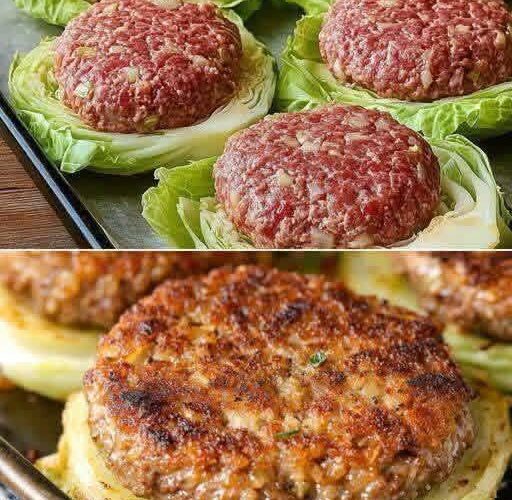
Cabbage isn’t the first vegetable that comes to mind for a burger patty, but with the right preparation, shredded cabbage transforms into a hearty, satisfying alternative to a beef patty — crispy on the outside, tender inside, and naturally a bit sweet once cooked down. The real technique behind this recipe isn’t complicated, but it does depend on one crucial step: removing as much moisture from the cabbage as possible before it goes into the patty mixture.
Beyond being a meatless option, this recipe is genuinely budget-friendly, since cabbage is one of the least expensive vegetables available, and it uses common pantry ingredients like eggs, breadcrumbs, and Parmesan to bind everything into a patty that holds its shape through cooking.
Mise En Place: Getting Organized Before You Cook
Because this recipe involves a moisture-removal step before the mixture even comes together, planning your prep time around that step matters.
The cabbage. One medium green cabbage, finely shredded.
The binders. Eggs, breadcrumbs, and grated Parmesan cheese.
The aromatics. Finely diced onion and minced garlic.
The seasoning. Paprika, dried oregano, dried parsley, black pepper, and salt.
The cooking fat. Olive oil.
For serving. Burger buns, lettuce, tomato slices, red onion slices, pickles, and cheese slices if desired.
Equipment. A large mixing bowl, a sharp knife, a cutting board, a large skillet (or baking sheet and parchment for the oven method), measuring cups and spoons, and a spatula.
Choosing the Right Cabbage
The quality of the cabbage has a direct effect on how these patties turn out. Look for a head that feels firm and heavy for its size, with crisp green leaves and no wilting, discoloration, or soft spots. Cabbage that looks dry, yellowed, or loosely packed won’t hold together as well once shredded and cooked.
Workflow: How the Process Flows
- Prepare the cabbage. Remove the outer leaves, wash thoroughly, and finely shred using a sharp knife or food processor.
- Draw out moisture. Place the shredded cabbage in a bowl, sprinkle lightly with salt, and let sit for 10 minutes.
- Remove excess moisture. Transfer the cabbage to a clean kitchen towel and squeeze firmly to remove as much liquid as possible, repeating if necessary.
- Make the patty mixture. In a large bowl, combine the drained cabbage with the eggs, breadcrumbs, Parmesan, onion, and garlic. Season with paprika, oregano, parsley, salt, and pepper, and mix thoroughly.
- Form the patties. Divide the mixture into six equal portions and shape each into a burger-sized patty, pressing firmly to help them hold together.
- Cook using your preferred method — pan-frying or oven-baking (see below).
- Assemble and serve on toasted buns with your preferred toppings.
Why Removing Moisture Is the Most Important Step
This is the step that determines whether your patties hold together or fall apart during cooking. Cabbage naturally holds a significant amount of water, and if that water isn’t drawn out and squeezed away before mixing, the finished patty mixture stays too wet to form a stable shape — it will feel loose, resist holding together when pressed, and is likely to fall apart in the pan or oven. Salting the shredded cabbage first draws moisture to the surface through osmosis, and then wringing it out in a clean towel removes that released liquid physically. Skipping or rushing either half of this process is the single most common reason this recipe doesn’t work as intended.
Why the Mixture Needs to Hold Together When Pressed
Before shaping the patties, the mixture should hold together when pressed between your hands — if it still feels too wet at this stage, adding a bit more breadcrumbs helps absorb the remaining moisture and gives the patties more structural integrity. This check, right before forming the patties, is a useful moment to catch a mixture that needs more binding before it goes any further.
Pan-Frying Method
Heat olive oil in a large skillet over medium heat. Carefully place the patties in the skillet and cook 4 to 5 minutes per side, flipping gently with a spatula, until golden brown and crisp on both sides while remaining tender inside.
Oven-Baked Method
Preheat the oven to 400°F (200°C) and line a baking sheet with parchment paper. Arrange the patties in a single layer, lightly brush with olive oil, and bake 20 to 25 minutes, flipping halfway through. This method produces a lighter version of the patty while still developing good texture and browning.
Why Flipping Technique Matters
Flipping the patties too early — before a proper crust has formed on the bottom — is one of the more common ways these patties break apart during cooking. Giving each side its full cooking time before attempting to flip lets the exterior firm up and develop a crust that holds the patty together as it turns, rather than trying to flip a still-fragile patty that hasn’t set yet.
Understanding the Flavor Balance
A well-made cabbage patty balances several elements at once: the cabbage itself provides natural sweetness and tenderness once cooked, garlic adds savory depth, onion contributes aromatic sweetness, Parmesan brings richness and umami, breadcrumbs improve structure, and the herb-and-spice blend rounds out the overall flavor. None of these ingredients dominates on its own — together, they create a patty that reads as hearty and satisfying rather than simply “vegetable-forward.”
Optional Flavor-Boosting Techniques
Simple finish. Lettuce, tomato, and a light spread of mayonnaise.
Medium upgrade. Cheddar cheese and caramelized onions for extra richness and sweetness.
Bold experience. Garlic aioli, jalapeños, melted cheese, and crispy onions for maximum flavor.
Toasting the Buns
Slicing the buns in half, lightly buttering the cut sides, and toasting them in a skillet or oven adds texture and, just as importantly, helps prevent the bun from turning soggy once it’s in contact with the patty and any sauce.
Approved Flavor Variations
This base recipe adapts easily into several different directions:
Cheesy Cabbage Burger Patties. Mix shredded mozzarella or cheddar directly into the cabbage mixture before forming the patties, so the cheese melts throughout during cooking.
Spicy Cabbage Burger Patties. Add chili flakes, cayenne pepper, or finely diced jalapeños for heat that balances the cabbage’s natural sweetness.
Garlic Herb Cabbage Patties. Increase the garlic and add fresh parsley, thyme, and basil for a more herb-forward version.
Asian-Inspired Cabbage Burgers. Add ginger, green onions, sesame oil, and a splash of soy sauce for an East Asian-inspired twist.
Mushroom Cabbage Patties. Mix in finely chopped sautéed mushrooms for a deeper, earthier flavor and heartier texture.
Vegan Cabbage Burger Patties. Replace the eggs with flax eggs, and use vegan cheese or nutritional yeast in place of the Parmesan for a fully plant-based version.
Common Mistakes and How to Avoid Them
- Not removing enough moisture from the cabbage, which causes the patties to fall apart during cooking.
- Using too little binder, making the mixture difficult to shape.
- Overcrowding the skillet, which prevents proper browning.
- Flipping too early, before a crust has formed, causing breakage.
- Under-seasoning the mixture, resulting in bland patties.
Serving Styles
Traditional. Serve the burger immediately while the patty is hot and crispy, paired with fries, roasted potatoes, or a fresh side salad.
Elegant presentation. Serve on a wooden board with sweet potato fries and a small bowl of garlic aioli, garnished with fresh herbs and colorful vegetables.
Storage, Freezing, and Reheating
Refrigerator: Store cooked patties in an airtight container for up to 4 days.
Reheating: Use a skillet or oven for the best texture; avoid microwaving if you want to maintain crispness.
Freezer: Let the patties cool completely, place parchment paper between them, store in freezer-safe containers, and freeze for up to 3 months. Thaw overnight before reheating.
Creative Uses for Leftover Patties
Crumble into wraps, add to grain bowls, use as a sandwich filling, chop into salads, serve alongside eggs for breakfast, add to pasta dishes for extra texture, or use as a topping for roasted vegetables.
Party Serving Suggestions
Set up a burger bar with a variety of toppings and multiple sauce options, or make mini slider versions for easy party appetizers. Pairing with sweet potato fries and coleslaw, offering both spicy and mild patty options, and garnishing with fresh herbs rounds out a presentation well-suited for a gathering where guests can build their own burger.
Nutritional Information
These patties naturally provide dietary fiber, vitamin C, vitamin K, plant compounds and antioxidants, protein, calcium, and essential minerals. Actual values will vary depending on the specific ingredients and serving sizes used.
Cabbage Steak Burger Patties
Description: Thick shredded cabbage, seasoned and bound with eggs, breadcrumbs, and Parmesan, formed into hearty burger patties that are crispy outside and tender inside — a budget-friendly, meatless burger alternative.
Duration:
- Preparation Time: 20 minutes
- Cooking Time: 25 minutes
- Resting Time: 10 minutes
- Total Time: Approximately 55 minutes
- Yield: About 6 patties
Ingredients:
For the Cabbage Patties:
- 1 medium green cabbage, finely shredded
- 2 large eggs
- 1 cup breadcrumbs
- ½ cup grated Parmesan cheese
- 1 small onion, finely diced
- 3 garlic cloves, minced
- 1 teaspoon paprika
- 1 teaspoon dried oregano
- 1 teaspoon dried parsley
- ½ teaspoon black pepper
- 1 teaspoon salt
- 2 tablespoons olive oil
For Serving:
- 6 burger buns
- Lettuce leaves
- Tomato slices
- Red onion slices
- Pickles
- Cheese slices (optional)
Instructions:
- Remove the outer cabbage leaves, wash, and finely shred using a sharp knife or food processor.
- Place the shredded cabbage in a large bowl, sprinkle lightly with salt, and let sit for 10 minutes.
- Transfer the cabbage to a clean kitchen towel and squeeze firmly to remove as much moisture as possible, repeating if necessary.
- In a large bowl, combine the drained cabbage with the eggs, breadcrumbs, Parmesan, onion, and garlic. Season with paprika, oregano, parsley, salt, and pepper, and mix thoroughly. Add more breadcrumbs if the mixture feels too wet.
- Divide the mixture into six equal portions and shape into burger-sized patties.
- To pan-fry: heat olive oil in a large skillet over medium heat, cook the patties 4–5 minutes per side until golden brown and crisp.
- To bake: preheat the oven to 400°F (200°C), arrange patties on a parchment-lined baking sheet, brush with olive oil, and bake 20–25 minutes, flipping halfway through.
- Toast the buns, then assemble with lettuce, patty, tomato, onion, pickles, cheese, and your preferred sauce.
Notes:
- Removing as much moisture as possible from the cabbage is essential for patties that hold together.
- Add extra breadcrumbs if the mixture feels too wet before shaping.
- Avoid flipping the patties too early; let a crust form first to prevent breaking.
- Store cooked patties in the refrigerator for up to 4 days, or freeze (with parchment between patties) for up to 3 months.
Medical Disclaimer: This content is provided for general informational and educational purposes only and is not intended as, and should not be substituted for, professional medical, nutritional, or dietary advice. Always ensure eggs are fully cooked and follow proper food safety practices when preparing, storing, and reheating this dish. If you have specific dietary restrictions, food allergies, or health conditions, consult a qualified healthcare provider or registered dietitian before making changes to your diet. The author and publisher assume no responsibility for any adverse effects resulting from the preparation or consumption of this recipe.