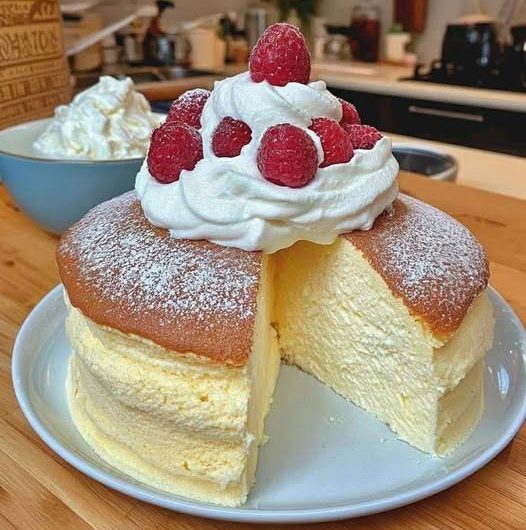
Keto Cloud Cake is a wonderfully light and fluffy low-carb dessert made with only a handful of simple ingredients. Instead of using traditional wheat flour and granulated sugar, this easy keto cake relies on whipped egg whites, cream cheese, and a keto-friendly sweetener to create its delicate structure. The finished cake has a soft, airy texture that sits somewhere between a sponge cake and a soufflé, making it an appealing choice when you want dessert without the heaviness of a conventional cake.
One of the biggest advantages of this keto cloud cake recipe is its simplicity. There is no almond flour, coconut flour, complicated frosting, or lengthy ingredient list to manage. Eggs form the foundation of the cake, while a small amount of cream cheese adds richness and moisture. Powdered erythritol provides sweetness without regular sugar, and vanilla gives the cake a familiar dessert flavor. With careful whipping and folding, these basic ingredients turn into an impressively soft low-carb cake.
Why You Make This Recipe
Many keto cake recipes are delicious but noticeably denser than traditional cakes because they depend on nut flours for their structure. Keto Cloud Cake takes a different approach. Whipped egg whites supply most of the volume, producing a much lighter result. When properly prepared, the cake rises in the oven and develops a tender interior with a lightly golden surface.
This recipe is also convenient when you want a homemade keto dessert without buying several specialty baking ingredients. The ingredient list contains three eggs, cream cheese, powdered erythritol or another preferred keto sweetener, vanilla extract, baking powder, and a pinch of salt. These ingredients are commonly used in low-carb kitchens, making the recipe practical for an everyday dessert rather than something reserved only for special occasions.
What Makes Cloud Cake So Light and Fluffy?
The secret behind a fluffy keto cloud cake is not flour but air. When egg whites are whipped, they trap thousands of tiny air bubbles. During baking, those bubbles expand and give the cake its characteristic light structure. This is why whipping the egg whites correctly and folding them carefully into the yolk mixture are the most important parts of the preparation.
Unlike a regular cake batter that can often tolerate vigorous mixing, cloud cake batter should be handled gently once the egg whites have been whipped. Excessive stirring pushes out the trapped air and reduces the cake’s volume. Taking a little extra care during this stage can make the difference between a beautifully airy keto cake and a flatter, heavier result.
A Naturally Gluten-Free Keto Dessert
This Keto Cloud Cake contains no wheat flour, breadcrumbs, or other gluten-containing flour ingredients. Its structure comes primarily from eggs rather than traditional baking flour. That makes the recipe naturally gluten-free based on the listed ingredients, provided the individual packaged products you use are also labeled or verified gluten-free when necessary.
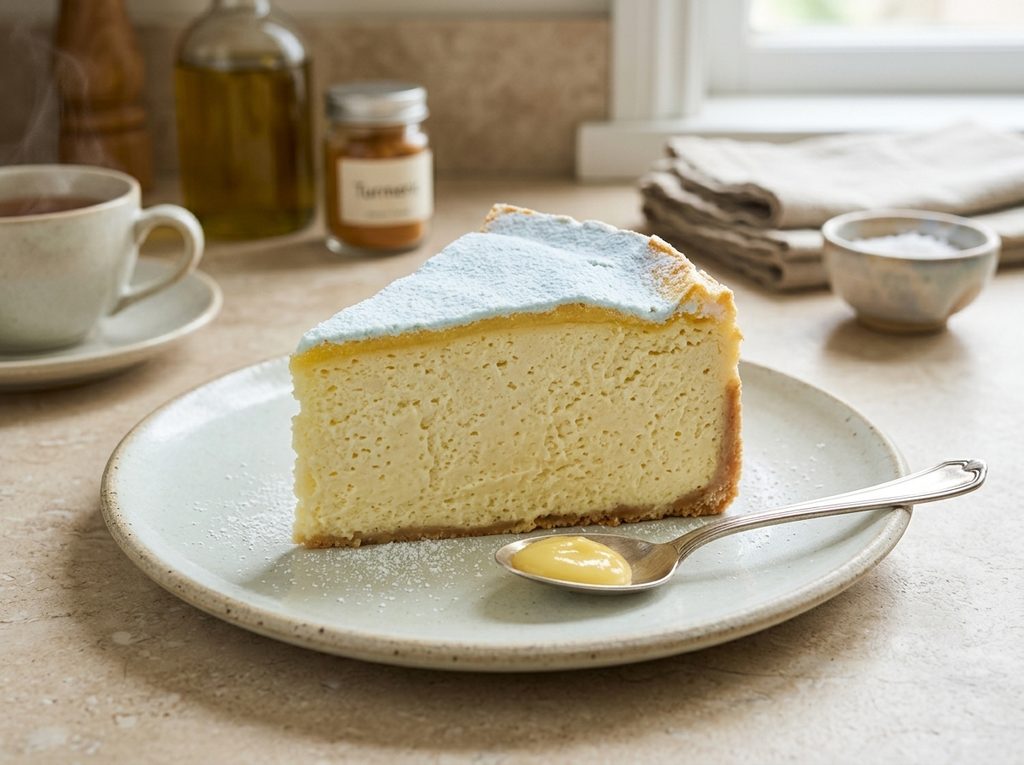
The lack of flour also contributes to the cake’s distinctive texture. Do not expect it to have exactly the same crumb as a standard vanilla sponge cake. Instead, the interior is softer, more delicate, and slightly custard-like while still being airy. That unusual texture is part of what makes cloud-style cakes different from conventional low-carb cakes made with almond or coconut flour.
Understanding the Main Ingredients
Each ingredient performs an important job despite the short ingredient list. Eggs create the structure and volume, while softened cream cheese provides richness and prevents the cake from tasting overly dry. Powdered erythritol or another preferred keto sweetener adds sweetness without conventional sugar, and vanilla extract introduces a gentle aroma that complements both the eggs and cream cheese.
Baking powder provides additional lift as the cake bakes, while a small pinch of salt balances the sweetness and overall flavor. Because there are so few ingredients, correct preparation matters more than adding extra components. Properly separating the eggs, whipping the whites sufficiently, and folding carefully are more important to the final result than complicated baking techniques.
Why Eggs Are Essential
Three large eggs form the main structural ingredient in this low-carb cloud cake. The yolks contribute richness and help combine the cream cheese with the other ingredients, while the whites are whipped separately to create volume. Separating these two parts allows each to perform a different function before they are carefully reunited.
When separating the eggs, avoid getting yolk into the whites. Even a small amount of yolk contains fat that can interfere with the ability of egg whites to whip properly. Using a clean, dry bowl also helps. These small preparation details are particularly important because the cake contains no flour structure to compensate for poorly whipped egg whites.
The Role of Cream Cheese
Three tablespoons of softened cream cheese add moisture, richness, and a mild cheesecake-like flavor. Softening the cream cheese beforehand allows it to blend smoothly with the egg yolks, sweetener, vanilla, and baking powder. Cold cream cheese can remain lumpy and make the yolk mixture harder to incorporate into the whipped whites.
The relatively small amount of cream cheese is deliberate. Too much heavy dairy could weigh down the whipped egg whites and interfere with the cloud-like consistency. Here, cream cheese provides enough richness to make the cake satisfying while allowing the egg foam to remain the dominant structural element.
Choosing the Keto Sweetener
The recipe uses two tablespoons of powdered erythritol or another preferred keto-friendly sweetener. Powdered sweetener is particularly suitable for a delicate cake because it blends quickly and evenly into the egg yolk mixture. Coarse granulated sweeteners may take longer to dissolve and can occasionally leave a slightly gritty texture.
If you use a different keto sweetener, remember that sweetness levels can vary considerably between brands and formulations. A concentrated sweetener should not automatically be substituted tablespoon for tablespoon. For the closest result, choose a powdered product designed to replace sugar at a similar sweetness level, while keeping the recipe’s original two-tablespoon quantity when appropriate for that product.
Preparing the Baking Pan
Before beginning the batter, preheat the oven to 300°F (150°C). Starting with a properly heated oven allows the airy batter to begin setting soon after it goes in. Because this cake depends on trapped air for its structure, consistent oven temperature is important.
Line the baking pan with parchment paper to reduce sticking and make the delicate cake easier to remove. Cloud cake is softer than many conventional cakes, especially while warm, so parchment provides useful support. Prepare the pan before whipping the egg whites so the completed batter can go into the oven without sitting unnecessarily.
How to Whip Egg Whites Correctly
Place the separated egg whites in a completely clean mixing bowl and add the pinch of salt. Beat them until stiff peaks form. At this stage, lifting the whisk or beaters should produce peaks that remain upright rather than immediately falling back into the mixture.
Do not stop when the whites are merely foamy or softly whipped. The cake needs enough incorporated air to support its fluffy structure. At the same time, avoid excessively whipping them until they look dry or grainy. Properly whipped whites should appear smooth, glossy, and firm enough to maintain their shape.
Preparing the Cream Cheese and Egg Yolk Mixture
In a separate bowl, combine the egg yolks with the softened cream cheese, powdered erythritol, vanilla extract, and baking powder. Whisk until the ingredients form a smooth, uniform mixture. Breaking up any cream cheese lumps at this stage is easier than trying to correct them after the whipped whites have been added.
The yolk mixture will naturally be much denser than the whipped egg whites. That difference in consistency is why the two components must be combined gradually and carefully. Trying to mix everything vigorously at once can quickly destroy the air incorporated during whipping.
How to Fold the Batter Without Losing Volume
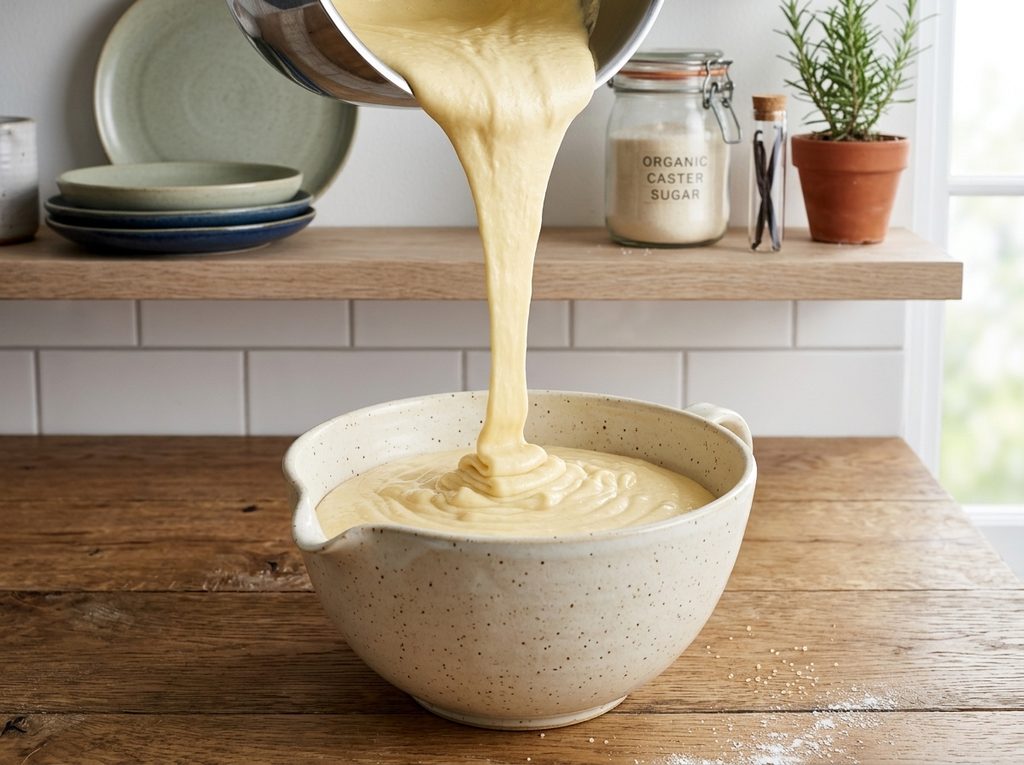
Begin by adding a portion of the whipped egg whites to the cream cheese and yolk mixture. Fold gently with a spatula rather than stirring in circles. Once the mixture has loosened slightly, add the remaining egg whites in portions and continue folding until the batter looks mostly uniform.
Use broad, gentle movements, scraping down through the center of the bowl and lifting the mixture back over itself. The goal is to combine the ingredients while preserving as many air bubbles as possible. Stop folding once obvious streaks disappear. Continuing to mix after that point can unnecessarily deflate the batter.
Baking Keto Cloud Cake
Transfer the finished batter to the parchment-lined baking pan and gently level the surface without pressing out the air. Place it immediately into the preheated 300°F (150°C) oven and bake for approximately 25 to 30 minutes.
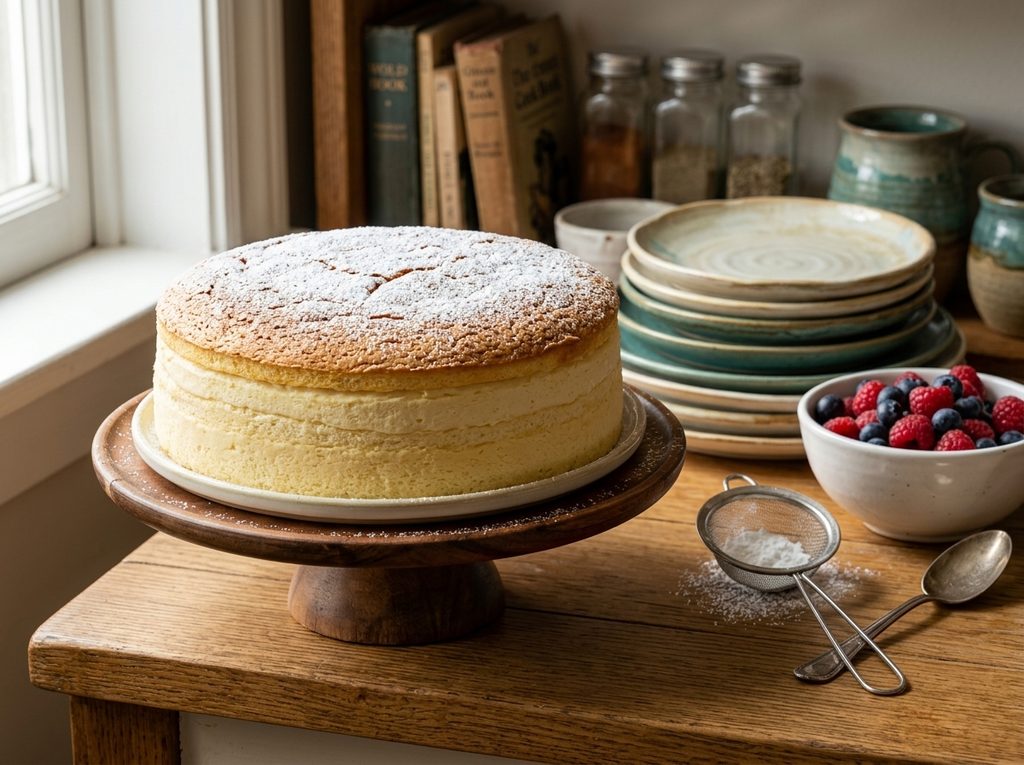
The cake should look lightly golden and set when finished. Because oven performance and pan dimensions can influence baking time, use the visual appearance as well as the suggested time range. Avoid repeatedly opening the oven door during the early part of baking because sudden temperature changes may interfere with the delicate cake’s rise.
Cooling the Cake Properly
Allow the Keto Cloud Cake to cool before slicing. The cake is particularly fragile when it first comes out of the oven, and cutting it immediately can compress its soft interior. Cooling gives the structure time to settle and makes cleaner portions easier to achieve.
A small amount of settling after baking is normal for a cake based largely on whipped eggs. This does not necessarily indicate a problem with the recipe. The finished cake should remain tender and light even if it loses some of its initial oven height while cooling.
What Does Keto Cloud Cake Taste Like?
The flavor is mild, creamy, and lightly sweet, with vanilla providing the primary aromatic note. Cream cheese adds gentle richness without turning the recipe into a dense cheesecake, while the eggs provide the characteristic soft cloud-cake structure.
Because only two tablespoons of sweetener are used, this dessert is not intended to be overwhelmingly sweet. That makes it suitable for people who have become accustomed to lower-sugar desserts while following a keto or low-carb diet. It can be eaten plain or paired with suitable low-carb toppings when desired.
Optional Flavor Variations
The original recipe suggests several ways to vary the flavor without changing the basic preparation method. Unsweetened cocoa powder can create a chocolate-style cloud cake, while fresh lemon zest can add a bright citrus note. Almond extract can also replace or complement vanilla when you want a slightly different aroma.
Any additional ingredient should be used carefully because the batter is extremely light. Large quantities of heavy or liquid additions may affect its ability to rise. Flavoring ingredients work best when they provide plenty of taste in a relatively small amount, allowing the whipped egg structure to remain intact.
Serving Ideas for Keto Cloud Cake
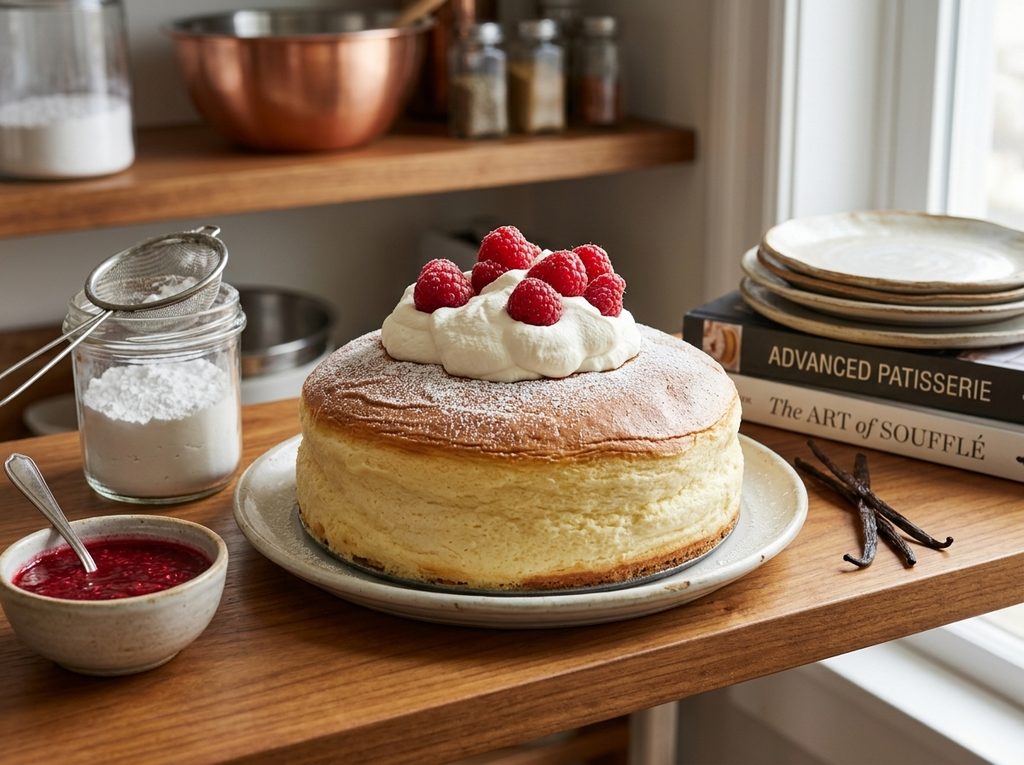
This cake can be enjoyed completely plain, particularly when you want a simple everyday low-carb dessert. Its soft texture and gentle vanilla flavor make it pleasant alongside unsweetened tea or coffee. For a more decorative presentation, it can be served with keto-friendly whipped cream.
Fresh berries can also provide color and a tart contrast, although their carbohydrates should be included when calculating the nutritional content of the complete serving. Strawberries, raspberries, or a small quantity of blueberries can work particularly well with vanilla or lemon-flavored cloud cake.
A Simple Keto Dessert for Different Occasions
Although Keto Cloud Cake requires only a few ingredients, its light appearance makes it versatile enough for more than an everyday snack. It can be prepared as a weekend dessert, served after a family meal, or dressed with suitable low-carb toppings for birthdays and other celebrations.
Its relatively short preparation and baking time also makes it convenient when you do not want to spend hours making dessert. The recipe requires approximately 10 minutes of preparation followed by 25 to 30 minutes of baking, although additional cooling time should be allowed before serving.
Storing Leftover Keto Cloud Cake
Leftover Keto Cloud Cake should be kept in the refrigerator and consumed within three days. Because eggs and cream cheese are major ingredients, refrigeration is important for both quality and food safety. Place the cake in an airtight container or cover it carefully before refrigerating.
The refrigerated texture may become slightly firmer than when freshly cooled, but the cake should remain soft. If preferred, allow an individual portion to sit briefly outside the refrigerator before eating. Avoid leaving the entire cake at room temperature for an extended period.
Notes for the Best Keto Cloud Cake
Use Room-Temperature Eggs
Room-temperature eggs can help produce good whipping volume. Separate them carefully and ensure that no yolk gets into the egg whites.
Soften the Cream Cheese
The cream cheese should be soft before mixing so it blends smoothly with the egg yolks and does not leave lumps.
Keep the Bowl Clean
Use a clean, dry bowl for the egg whites. Grease, water, or traces of yolk can make whipping more difficult.
Whip to Stiff Peaks
The egg whites provide most of the cake’s volume, so they need to hold firm peaks before being folded into the remaining ingredients.
Fold Gently
Avoid vigorous stirring once the egg whites have been whipped. Gentle folding preserves the air that gives this dessert its cloud-like texture.
Is Keto Cloud Cake Really Low Carb?
Based on the ingredients provided, this cake is designed as a low-carb and keto-friendly dessert. It contains no wheat flour or regular sugar, while powdered erythritol or another keto sweetener supplies the sweetness. The main ingredients are eggs and cream cheese, which contain relatively small amounts of carbohydrates.
The provided recipe estimates approximately one gram of carbohydrates per serving when divided into six portions. Exact carbohydrate counts can vary according to the cream cheese, baking powder, vanilla, and sweetener brands used. Anyone tracking carbohydrates closely should calculate the recipe using the nutrition labels on their specific products.
Is Keto Cloud Cake Gluten-Free?
The ingredient list itself does not include wheat, barley, rye, or conventional flour, so the recipe is naturally gluten-free based on those ingredients. This makes Keto Cloud Cake particularly useful for a website that features both keto and gluten-free recipes.
For people who need strict gluten avoidance because of celiac disease or another medical requirement, packaged ingredients should still be checked for gluten-free labeling and possible cross-contact. From a recipe-category perspective, however, this cake fits naturally within both low-carb keto desserts and flourless gluten-free desserts.
Why This Easy Keto Cake Is Worth Making
The strongest feature of this recipe is that it achieves an unusually light texture with just six basic ingredients. Many low-carb desserts require specialty flours, gums, or long ingredient lists. Here, eggs and proper mixing technique do most of the work.
That simplicity also makes the recipe useful for beginners. The only technique requiring special attention is folding whipped egg whites without deflating them. Once that skill is understood, the remaining process is straightforward: prepare the pan, whip the whites, mix the yolk ingredients, fold, bake, cool, and serve.
Keto Cloud Cake
A light and fluffy keto cake made with whipped eggs, cream cheese, and sugar-free sweetener. This easy low-carb dessert has a soft, cloud-like texture and contains no traditional flour or added sugar.
6
servings10
minutes25
minutes80
kcal35
minutesIngredients
3 large eggs, separated
3 tablespoons cream cheese, softened
2 tablespoons powdered erythritol or preferred keto sweetener
1 teaspoon vanilla extract
1 teaspoon baking powder
Pinch of salt
Instructions
- Preheat
Preheat oven to 300°F (150°C). Line a baking pan with parchment paper. - Separate Eggs
Carefully separate the egg whites from the yolks. - Whip Whites
Beat egg whites with salt until stiff peaks form. - Mix Yolks
Whisk yolks, cream cheese, sweetener, vanilla, and baking powder until smooth. - Fold
Gently fold the whipped egg whites into the yolk mixture without deflating them. - Bake
Pour into the prepared pan. Bake for 25–30 minutes until lightly golden and set. - Cool
Allow the cake to cool before slicing and serving.
Nutrition Facts
- Calories: 80kcal
- Fat: 6g
- Carbohydrates: 1g
- Protein: 5g