This savory potato pie combines fresh vegetables, eggs, and cheese into one filling dish that works for breakfast, lunch, or dinner. Unlike traditional pastry-based pies, this version uses a simple batter made with flour and baking powder that bakes around the vegetables.
The result is something between a vegetable cake and a quiche, with a tender crumb and pockets of melted cheese throughout. The recipe takes everyday ingredients and transforms them into a dish that feels special enough for company but easy enough for a weeknight meal.
The beauty of this potato pie is its flexibility. You can adjust the vegetables based on what you have in your refrigerator or what looks good at the market. The base recipe stays the same while the filling changes with the seasons or your personal taste. The combination of potatoes, tomatoes, green chilies, and green onions creates balanced flavors, but you can easily swap in other vegetables without changing the basic structure of the dish.
Understanding Your Main Ingredients
Start with two medium potatoes, which provide substance and starch to the filling. Any potato variety works, though starchy potatoes like russets hold their shape better during baking. Three medium tomatoes add moisture and acidity that balances the richness from eggs and cheese.
The tomatoes also contribute natural sweetness and bright color to the finished pie. Four green chili peppers bring mild heat and fresh pepper flavor. Adjust the number based on how spicy you want the final dish.
Two green onions add both mild onion flavor and visual appeal with their white and green parts. Four eggs bind everything together and create structure as the pie bakes. The eggs transform from liquid to firm, holding the vegetables and creating a satisfying texture.
One hundred milliliters of milk adds moisture and helps create a tender crumb rather than a dense one. One hundred milliliters of vegetable oil keeps the pie moist and prevents it from drying out as it bakes.
The Role of Flour and Leavening
Four hundred grams of all-purpose flour creates the base structure of your batter. This amount of flour combined with the liquids creates a thick batter that surrounds and supports the chopped vegetables. The flour also absorbs moisture from the vegetables as they cook, preventing the pie from becoming watery or soggy. Sixteen grams of baking powder acts as the leavening agent, creating air bubbles that make the batter rise and become light rather than heavy and dense.
The ratio of flour to baking powder matters for the right texture. Too little baking powder and your pie stays flat and heavy. Too much creates an overly airy texture that does not support the vegetables properly. Grated cheese gets mixed into the batter and also sprinkled on top before baking. The cheese in the batter melts throughout, creating pockets of rich flavor, while the cheese on top browns and creates a golden, crispy surface.
Preparing Your Vegetables Correctly
Wash your potatoes thoroughly under cool running water, scrubbing away any dirt. You can peel them or leave the skins on depending on your preference. Peeled potatoes create a more uniform texture, while unpeeled potatoes add rustic character and additional fiber. Chop the potatoes into small, bite-sized pieces about half an inch in size. Small pieces cook through completely during the baking time, while large chunks might stay hard in the center.
Wash your tomatoes and remove the core where the stem attached. Chop them into pieces similar in size to your potato chunks. The tomatoes will release moisture as they bake, which gets absorbed by the batter around them. Remove the stems from your green chili peppers and slice them thin or chop them into small pieces. Remove the seeds if you want less heat, or leave them in for maximum spiciness. Trim the roots and any wilted parts from your green onions, then slice both the white and green parts thinly.
Mixing Your Batter Properly
Crack your four eggs into a large mixing bowl. Add salt to taste, starting with about one teaspoon and adjusting later if needed. Beat the eggs with a whisk or fork until the yolks and whites combine completely and the mixture looks uniform yellow. Add all your chopped vegetables to the beaten eggs and stir to coat them. The eggs will start to coat each piece of vegetable, which helps the batter stick to them later.
Add your grated cheese to the vegetable and egg mixture, reserving some for sprinkling on top. Stir to distribute the cheese throughout. Pour in your milk and vegetable oil, mixing well after each addition. The mixture will look loose and liquidy at this point. Add your flour and baking powder, which you should mix together in a separate bowl first to distribute the baking powder evenly. Fold the flour mixture into the wet ingredients gradually, stirring just until no dry flour pockets remain.
Getting the Batter Consistency Right
Your finished batter should be thick but pourable, similar to thick pancake batter. It should coat the vegetables completely but not be so thick that it forms a solid mass. If your batter seems too thick and will not pour, add milk one tablespoon at a time until it loosens slightly. If it seems too thin and runny, add flour one tablespoon at a time until it thickens to the right consistency.
The vegetables will absorb some liquid as the mixture sits, so the batter may thicken slightly while you prepare your baking pan. This is normal and expected. Do not overmix your batter once you add the flour, as excessive stirring develops gluten and can make your pie tough and chewy rather than tender. Stir just until the flour disappears into the mixture, even if a few small lumps remain.
Preparing Your Baking Pan
Choose a baking pan or oven-safe saucepan that can hold your entire mixture with at least an inch of space at the top. The batter will rise as it bakes, and you need room for that expansion. Grease your pan thoroughly with butter or oil, making sure to coat the bottom and sides completely. This prevents sticking and makes removing portions of the baked pie much easier.
You can also line the bottom of your pan with parchment paper for extra insurance against sticking. Cut the parchment to fit the bottom of your pan, grease the pan first, lay the parchment down, then grease the parchment and the sides of the pan. Pour your prepared batter into your greased pan, spreading it evenly to the edges with a spatula. The mixture should settle into an even layer on its own, but you may need to gently shake the pan or tap it on the counter to release air bubbles.
Topping and Baking Your Pie
Sprinkle your reserved grated cheese generously over the top of the batter in the pan. This cheese will melt and brown during baking, creating a golden, crispy top layer that adds both flavor and visual appeal. You can also add a light sprinkle of additional salt or black pepper over the cheese if you want extra seasoning on the top.
Place your pan in an oven that you have preheated to 180 degrees Celsius or 350 degrees Fahrenheit. Preheating ensures even baking from the moment the pan goes in. Bake for 35 minutes without opening the oven door. Opening the door releases heat and can cause the pie to sink or bake unevenly. Set a timer so you do not have to guess when the time is up.
Testing for Doneness
After 35 minutes, check your pie for doneness. The top should be golden brown and the cheese fully melted and slightly crispy around the edges. Insert a toothpick or knife into the center of the pie. It should come out clean or with just a few moist crumbs attached. If the toothpick comes out with wet batter, the pie needs more time. Return it to the oven and check again in five-minute intervals.
The edges of the pie should pull away slightly from the sides of the pan when fully baked. The center should feel firm when you gently press on it with your finger, not jiggly or liquid. Different ovens run at different actual temperatures, so your pie might need a few minutes more or less than the stated 35 minutes. Trust the visual and texture cues more than the exact time.
Cooling and Serving Your Potato Pie
Remove the baked pie from the oven and let it rest in the pan for about ten minutes before cutting. This resting time allows the structure to set completely and makes cutting clean slices much easier. If you try to cut the pie immediately after removing it from the oven, it will be too soft and may fall apart. The resting period also allows the internal temperature to even out, so you do not burn your mouth on hot pockets of filling.
Run a knife around the edges of the pan to loosen the pie if needed. Cut into squares or wedges depending on your pan shape. Use a spatula to lift portions out of the pan, supporting them from underneath so they do not break apart. Serve the pie warm or at room temperature. It tastes good either way, though warm from the oven showcases the melted cheese and tender vegetables at their best.
Making This Recipe Your Own
This basic recipe accepts many variations without changing the fundamental technique. Replace the green chilies with bell peppers for a milder, sweeter flavor. Add sautéed mushrooms, zucchini, or spinach to the vegetable mix for different flavors and textures. Use different cheese varieties like cheddar, mozzarella, feta, or Parmesan instead of or in addition to the cheese in the original recipe.
Add fresh or dried herbs like parsley, dill, basil, or oregano to the batter for extra flavor. Include cooked bacon bits, diced ham, or crumbled sausage if you want meat in your pie. Replace some of the all-purpose flour with whole wheat flour for more fiber and a nuttier taste. Each variation maintains the basic structure while creating a different eating experience.
Why Vegetable Size Matters
Cutting your vegetables into uniform, small pieces ensures even cooking throughout the pie. Large chunks of potato might stay hard while the rest of the pie finishes baking. Huge pieces of tomato release too much liquid in concentrated areas, creating wet spots. Very small vegetable pieces may disappear into the batter and lose their individual character. Aim for pieces between one-quarter and one-half inch, which gives you distinct vegetable bites without creating raw or overcooked areas.
Taking the time to cut vegetables uniformly also improves the visual appearance of each slice. When you cut into the finished pie, you see a balanced distribution of different vegetables rather than all the potatoes in one area and all the tomatoes in another. Uniform cutting takes just a few extra minutes but makes a noticeable difference in both cooking results and presentation.
Storage and Reheating Methods
Store leftover potato pie in an airtight container in the refrigerator for up to four days. The pie stays moist and flavorful when properly stored. You can eat it cold directly from the refrigerator, which many people enjoy as a quick lunch or snack. For warm leftovers, reheat individual portions in the microwave for one to two minutes, or place larger portions in a 160-degree Celsius oven for about fifteen minutes until heated through.
The pie also freezes well for longer storage. Cut it into individual portions and wrap each piece tightly in plastic wrap, then place wrapped portions in a freezer bag. Freeze for up to two months. Thaw frozen portions overnight in the refrigerator, then reheat as desired. The texture may be slightly less tender after freezing, but the flavor remains excellent.
Serving Suggestions for Different Meals
Serve this savory potato pie for breakfast or brunch alongside fresh fruit and coffee. The eggs and vegetables provide protein and nutrients to start your day. For lunch, pair it with a simple green salad dressed with vinaigrette. The fresh, crisp salad balances the rich, filling pie. At dinner, serve it as a main course with roasted vegetables or steamed greens on the side.
The pie also works well as part of a buffet or potluck spread. Cut it into small squares for appetizer portions that guests can eat with their hands. Pack it for picnics or outdoor meals where it travels well and tastes good at room temperature. Include it in lunchboxes where it provides a filling, nutritious meal that does not require reheating. The versatility makes this one recipe work for many different eating occasions throughout your week.
Why This Recipe Works for Meal Prep
Making this potato pie in advance solves several meals at once. Bake it on Sunday afternoon and you have ready-made portions for lunches or quick dinners throughout the week. The pie stays fresh in the refrigerator and reheats quickly, which removes the temptation to order takeout on busy evenings. You can also bake two pies at once if you have multiple pans, doubling your meal prep without much extra effort.
The recipe uses simple, inexpensive ingredients that do not require special shopping trips. Most kitchens already have flour, eggs, oil, and basic vegetables on hand. This makes it an economical choice for feeding a family or yourself throughout the week. The per-serving cost stays low while the nutrition and satisfaction value remain high.
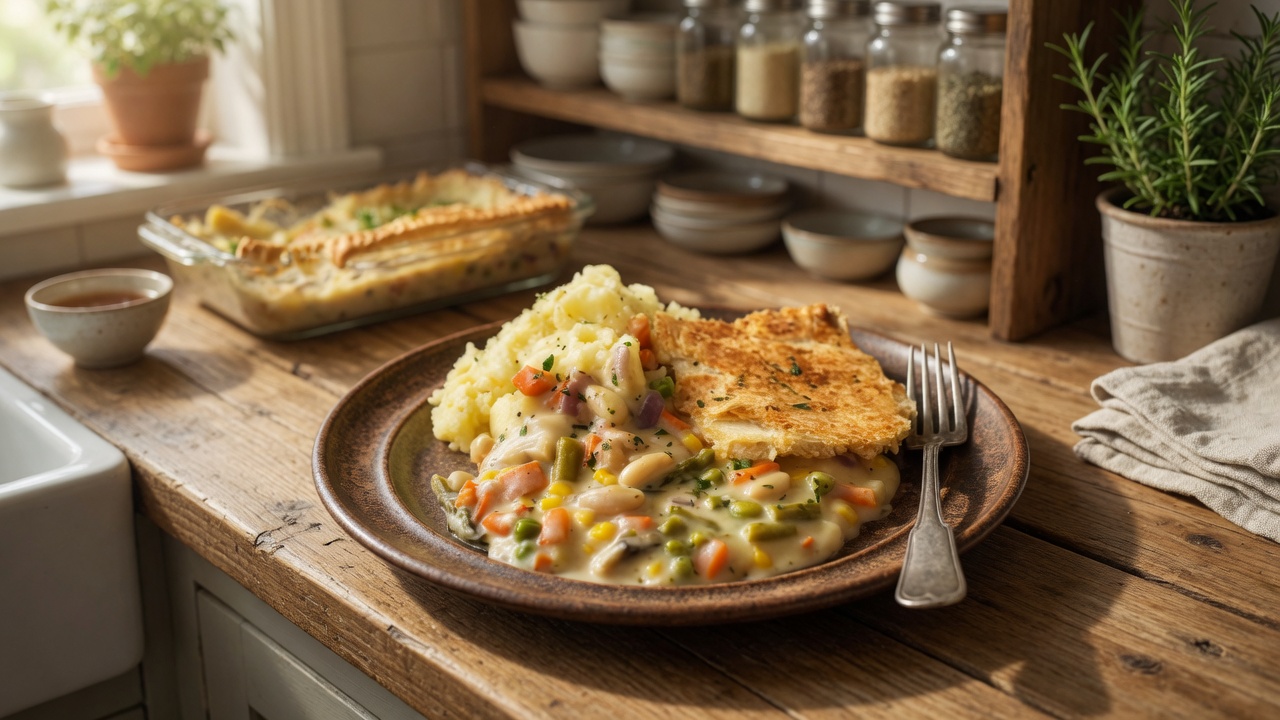
Savory Pie with Vegetables and Cheese
A hearty savory pie combining chopped potatoes, fresh tomatoes, green chilies, and green onions in an egg and cheese batter. This versatile dish bakes into a golden, satisfying meal perfect for any time of day.
6-8
servings15
minutes35
minutes50
minutesIngredients
Potatoes: 2 medium, chopped into small pieces
Tomatoes: 3 medium, chopped
Green chili peppers: 4, sliced or chopped
Green onions: 2, sliced thin
Eggs: 4 large
Salt: to taste
Milk: 100ml (about ⅓ cup plus 1 tablespoon)
Vegetable oil: 100ml (about ⅓ cup plus 1 tablespoon)
All-purpose flour: 400g (about 3¼ cups)
Baking powder: 16g (about 4 teaspoons)
Grated cheese: for mixing into batter and topping (about 1½ to 2 cups total)
Instructions
- Preheat oven to 180°C (350°F). Grease a baking pan or oven-safe saucepan. Wash and chop potatoes into small, bite-sized pieces. Chop tomatoes into similar-sized pieces. Slice green chili peppers and green onions thinly.
- Crack eggs into a large mixing bowl. Add salt to taste and beat until well combined. Add all chopped vegetables to the beaten eggs and mix well.
- Stir in grated cheese (reserve some for topping), milk, and vegetable oil. Mix until ingredients are evenly distributed throughout the vegetable and egg mixture.
- In a separate bowl, mix together flour and baking powder. Add the flour mixture to the wet ingredients and fold together gently until just combined and no dry flour remains. Do not overmix.
- Pour the batter into the prepared pan and spread evenly. Sprinkle reserved grated cheese generously over the top. Bake for 35 minutes or until the top is golden brown and a toothpick inserted in the center comes out clean. Let rest 10 minutes before slicing and serving.