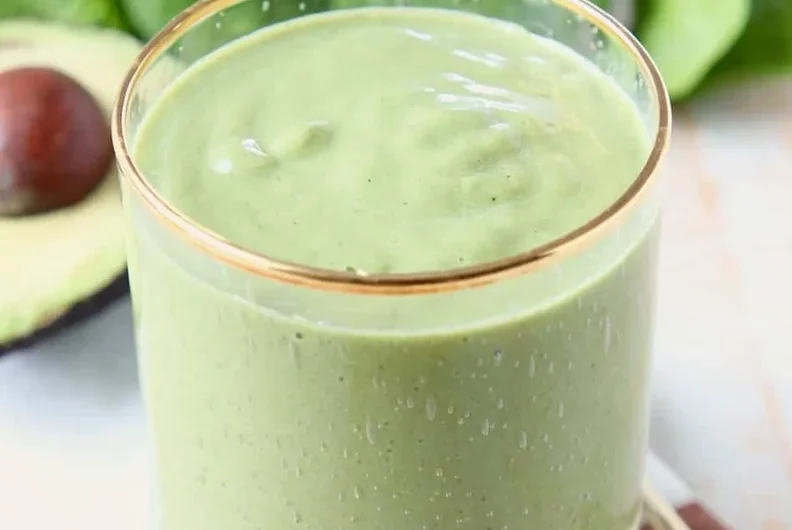
A Keto Smoothie for Constipation is a thick, creamy, low-carb drink made with fiber-rich ingredients such as avocado, raspberries, beans, flax seeds, and chia seeds. It is designed for people who want to add more fiber to their keto or low-carb eating routine without relying on a high-sugar fruit smoothie. The combination of berries, lemon, seeds, avocado, and your preferred milk creates a pleasantly fresh flavor while providing a convenient way to include several whole-food ingredients in one serving.
Constipation can sometimes become a concern when eating a low-carb or ketogenic diet, particularly when meals contain plenty of cheese, eggs, meat, and other foods that naturally provide little or no dietary fiber. Adding suitable fiber-containing foods can help create a more balanced eating pattern. This keto constipation smoothie brings several such ingredients together in one easy recipe, making it useful for breakfast, lunch, a filling snack, or alongside another meal.
Why Fiber Matters on a Keto Diet
A major dietary change can also change normal bowel habits. When people begin a ketogenic diet, they often reduce foods such as grains, legumes, and higher-carbohydrate fruits. Depending on what replaces those foods, total fiber intake may also decrease. For this reason, a carefully planned keto diet should include appropriate low-carb sources of fiber rather than focusing only on meat, eggs, cheese, butter, and other high-fat or high-protein foods.
This low-carb smoothie uses avocado, raspberries, beans, flax seeds, and chia seeds to increase its fiber content while maintaining the low-carb approach of the original recipe. Instead of depending on bananas, dates, mangoes, or other sweeter smoothie ingredients, it gets much of its body from avocado and seeds. Raspberries and fresh lemon juice add a brighter flavor that balances the richer ingredients and makes the finished drink more refreshing.
A Fiber-Rich Low-Carb Smoothie
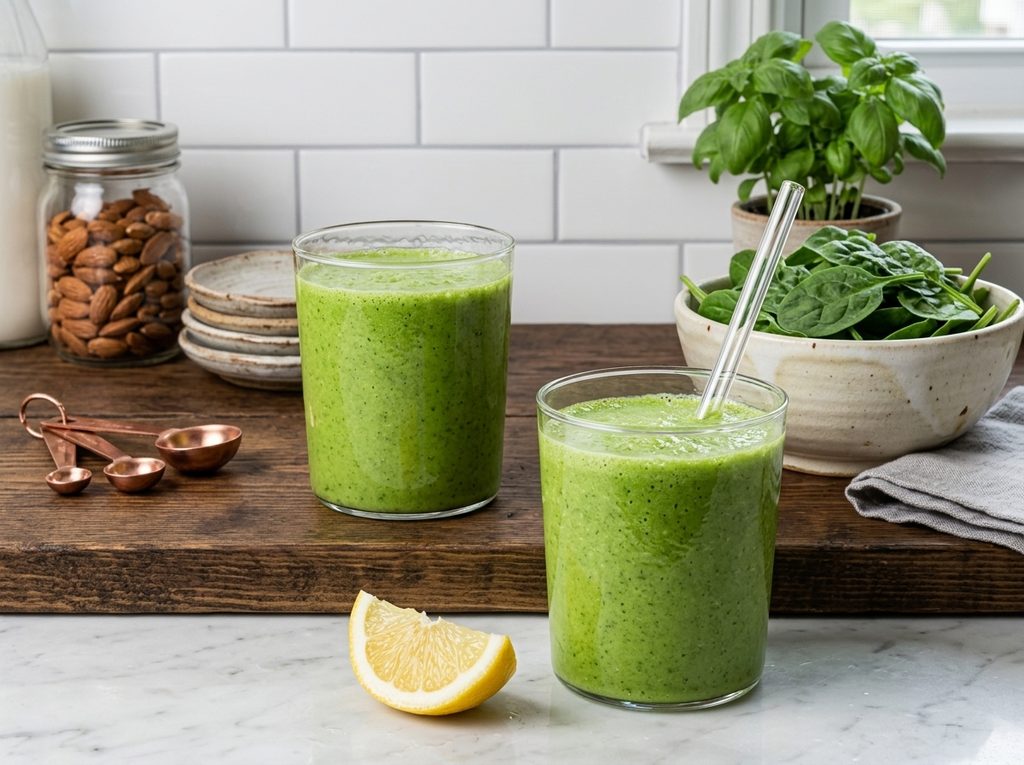
One of the most useful features of this keto smoothie is the variety of ingredients it contains. Rather than getting all its fiber from a single source, the recipe combines several plant foods with different textures and nutritional profiles. Avocado provides creaminess, raspberries contribute fruity flavor, beans help create body, and flax and chia seeds thicken the drink further after being soaked in lemon water.
The finished smoothie is quite thick, so it is better enjoyed with a spoon or by taking larger sips instead of using a narrow straw. Frozen avocado, raspberries, and beans create an especially cold, almost slushy texture. If you prefer a less chilled smoothie, the original recipe also allows these ingredients to be used without freezing. This makes it easy to adjust the texture while keeping the ingredient list unchanged.
Why Avocado Works Well in This Smoothie
Avocado is particularly useful in a keto smoothie because it provides a naturally smooth and creamy texture without requiring banana or another high-sugar fruit. In this recipe, ¾ cup of avocado cubes forms an important part of the smoothie base. Frozen avocado makes the drink colder and thicker, while room-temperature avocado can be used when you prefer a softer and less icy consistency.
Using frozen avocado cubes can also make preparation more convenient. They are already portioned and can be stored until needed, avoiding the problem of waiting for a fresh avocado to reach the right level of ripeness. Once thoroughly blended with the liquid, berries, seeds, and beans, avocado gives the smoothie a creamy consistency that helps bring all the other ingredients together without producing an overpowering avocado flavor.
Raspberries Add Flavor and Fiber
Raspberries are another important part of this low-carb constipation smoothie. The recipe uses ½ cup of raspberries, which can be frozen for a colder drink or used at a different temperature according to preference. Their naturally sharp, fruity flavor pairs especially well with lemon juice and helps keep the smoothie from tasting too rich despite the presence of avocado and coconut or MCT oil.
The combination of raspberries and fresh lemon juice gives the smoothie much of its recognizable flavor. These ingredients provide a tart contrast to the creamy base, while the chosen low-carb sweetener balances their natural sharpness. Because the amount of sweetener can be adjusted to taste, the finished smoothie can be made lightly sweet or sweeter without changing the main ingredient structure.
Why This Smoothie Contains Beans
Beans may seem unusual in a smoothie, but they serve a practical purpose in this recipe. The original ingredient list provides several choices, including navy beans, white Northern beans, kidney beans, or lupini beans with their skins removed. Only ¼ cup is required, and once thoroughly blended with avocado, raspberries, seeds, milk, and lemon juice, the beans become part of the creamy base rather than dominating the flavor.
Freezing the cooked beans before blending is especially useful when you want a colder, slushy smoothie. Small measured portions can be frozen in advance, making preparation quicker when it is time to make the recipe. The original recipe also highlights lupini beans as an alternative when reducing net carbohydrates is particularly important. Whichever permitted bean option you choose, keep the quantity at the specified ¼ cup.
Flax and Chia Seeds for a Thicker Smoothie
Flax and chia seeds are central ingredients in this keto smoothie recipe. It uses one tablespoon each of flax and chia seeds, although basil seeds may replace the chia seeds. Before blending, the seeds are mixed with ½ cup water and two tablespoons of fresh lemon juice. This mixture is allowed to stand for at least 15 minutes and can be left for as long as two hours.
Allowing the seeds to sit in liquid also changes their texture before they reach the blender. Chia or basil seeds absorb moisture, while the entire seed mixture becomes more hydrated and easier to incorporate into the smoothie. Once blended with the remaining ingredients, it contributes to the drink’s noticeably thick consistency. Because this smoothie is naturally substantial, it works particularly well when you want something more filling than a thin fruit-based drink.
Coconut Oil or MCT Oil
The recipe provides a choice between one tablespoon of extra-virgin coconut oil and MCT oil. Coconut oil needs to be melted before it is incorporated into the smoothie. Instead of pouring melted coconut oil directly onto frozen ingredients before blending, the recipe adds it near the end while the blender is still running. This technique helps distribute the liquid oil throughout the cold mixture rather than allowing it to immediately form small solid pieces.
MCT oil is already liquid and therefore requires less preparation. However, the source recipe specifically advises people who have not previously used MCT oil to begin with only one teaspoon to check tolerance and gradually work toward the listed amount. Some people experience digestive discomfort when introducing MCT oil quickly, so the full tablespoon does not need to be used immediately when trying it for the first time.
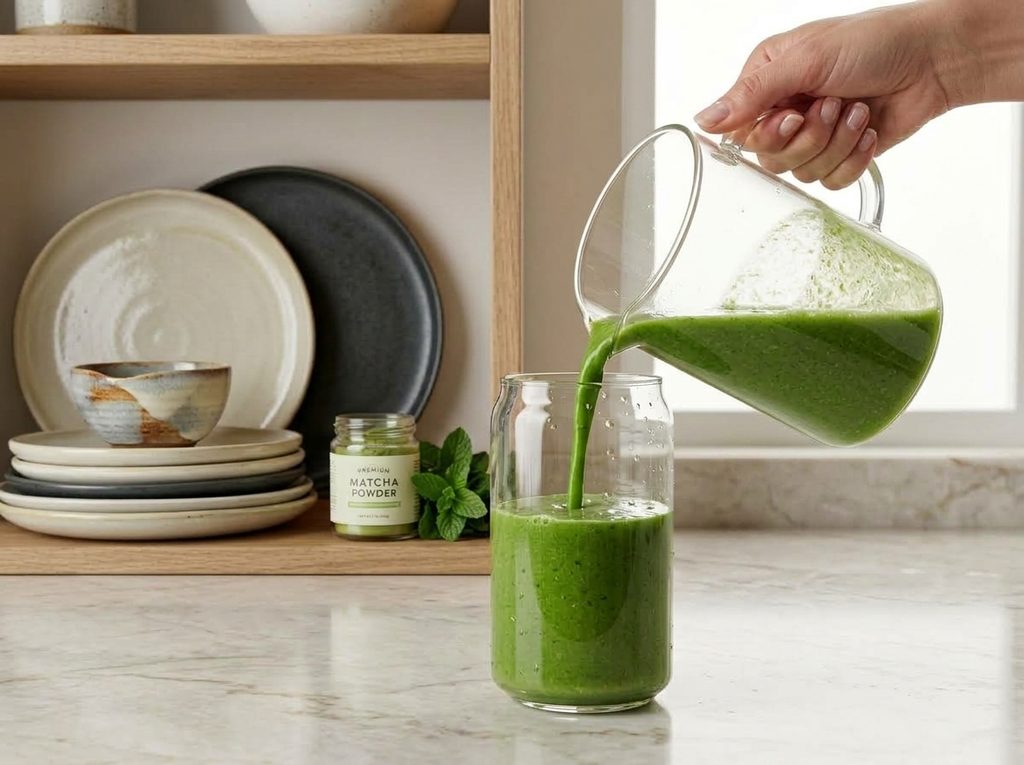
Choosing the Liquid Base
The smoothie uses one cup of milk of choice, with almond milk, coconut milk, or macadamia nut milk listed as options. The original recipe also provides an alternative consisting of ⅞ cup water plus one tablespoon of cream. When using the water-and-cream option, the cream should not be blended from the beginning. Instead, add it at the very end after the coconut oil and blend only briefly.
Your liquid choice can influence the flavor and richness of the smoothie without changing the basic preparation method. Coconut milk can reinforce the coconut flavor when coconut oil is used, while almond or macadamia nut milk creates a more neutral base. The water-and-cream alternative keeps the ingredient structure simple while still adding some richness at the end of blending.
Getting the Sweetness Right
The recipe calls for stevia to taste, approximately eight to ten drops, or two tablespoons of a liquid low-carb sweetener such as allulose. This flexibility is useful because sweetness preferences differ considerably, particularly in smoothies containing tart raspberries and fresh lemon juice. Starting with a modest amount and adjusting according to taste can prevent the drink from becoming unnecessarily sweet.
People who are not following a keto or low-carb eating plan may have different preferences, but the recipe itself is designed around a low-carb sweetener. The tart berry and lemon combination is an important part of its flavor, so sweetness should complement rather than completely cover those ingredients. When properly balanced, the creamy avocado and beans become mild background ingredients while raspberry and lemon provide the more noticeable flavors.
How to Make Keto Smoothie for Constipation
Preparation begins by combining the ½ cup water, two tablespoons fresh lemon juice, and one tablespoon each of flax and chia seeds in a small bowl or drinking glass. If preferred, basil seeds can replace the chia seeds. Stir the mixture thoroughly and allow it to rest for at least 15 minutes. It can remain soaking for up to two hours when preparing the ingredients ahead of time.
Next, prepare the remaining ingredients. If you want a very cold and slushy smoothie, use frozen avocado, raspberries, and cooked beans. If the beans have not been frozen in advance, the source recipe suggests placing them in the freezer for approximately 30 minutes. When using extra-virgin coconut oil rather than MCT oil, melt the coconut oil and remove it from the heat before you begin blending.
Place the frozen avocado, raspberries, and beans into the blender first. Add the soaked lemon-and-seed mixture, your milk of choice, and the selected sweetener. Begin blending at low speed and gradually increase to medium-low if your blender can comfortably handle the thick mixture. Continue blending for about one minute so the frozen avocado becomes completely smooth and the beans and seeds are thoroughly incorporated.
Toward the end of blending, carefully pour the melted coconut oil through the blender lid opening while the motor continues to run. Blend for another few seconds until completely incorporated. If you are using the alternative water-and-cream option for the milk, add the cream only after the coconut oil and briefly blend again. The smoothie can then be served immediately while it is thick, creamy, and cold.
When to Serve This Keto Smoothie
The complete recipe makes two servings, giving you several ways to use it. It can be divided between two people, or one person can divide the prepared smoothie between different meals. For example, one portion can be served at breakfast and another later with lunch or dinner. It can also be used as a snack when you want a more substantial drink containing avocado, berries, seeds, and beans.
Because the recipe is thick and filling, serving size can be adjusted according to appetite while still considering the full recipe as two servings for nutritional calculations. The source also suggests that protein powder can be added when someone wants to use the smoothie as a more complete meal, although protein powder is not part of the original ingredient list. Therefore, it is not included in the recipe card below.
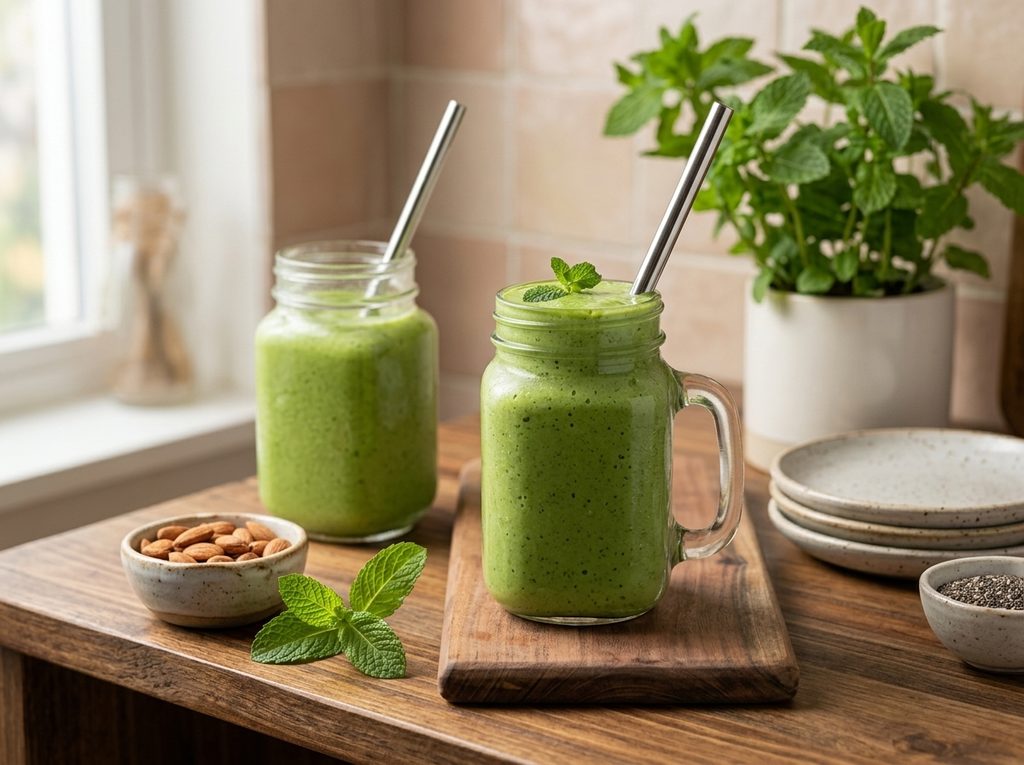
Other Fiber-Containing Keto Foods
The original recipe also mentions several foods that can help add variety to a low-carb diet when you are looking for more whole-food sources of fiber. These include turnips, blueberries, raw coconut, pumpkin seeds, pecans, broccoli, and mushrooms. They can be incorporated into other meals rather than being added to this smoothie, allowing the smoothie recipe itself to remain unchanged.
A varied eating pattern is generally easier to maintain than relying on one recipe every day. This smoothie can therefore be treated as one convenient option within a broader low-carb menu. Water intake and overall food choices also matter when considering bowel regularity. If constipation is persistent, severe, painful, associated with vomiting or blood, or represents a significant unexplained change in bowel habits, medical advice is more appropriate than relying only on dietary changes.
Notes
The texture of this Keto Smoothie for Constipation is intentionally thick. Frozen avocado, frozen raspberries, frozen beans, and soaked seeds all contribute to that consistency. For the smoothest result, give the blender enough time to process the avocado fully. A powerful blender may finish sooner, but the original method recommends approximately one full minute before adding the coconut oil.
When using coconut oil, always melt it first and pour it gradually into the smoothie while the blender is running. This helps prevent the oil from solidifying into clumps when it contacts the frozen ingredients. If MCT oil is new to you, the source recommends beginning with one teaspoon rather than immediately using the entire tablespoon, because individual digestive tolerance can vary.
The nutritional information supplied with the original recipe lists the carbohydrates as net carbohydrates and states that the maximum is seven grams per serving. According to the source, choosing lupini beans reduces the net carbohydrate figure to approximately 3.5 grams per serving. Actual nutrition can vary depending on the exact milk, beans, sweetener, and brands used, so these values should be treated as estimates rather than laboratory measurements.
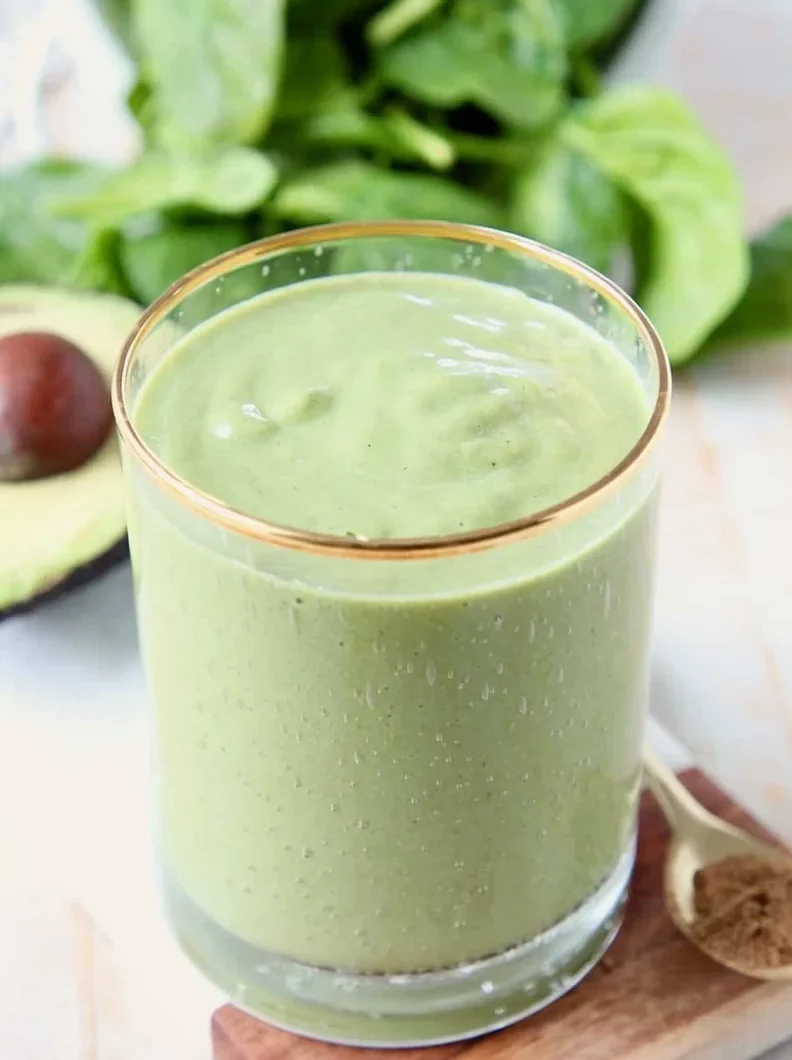
Keto Smoothie For Constipation
A thick and creamy low-carb smoothie made with avocado, raspberries, beans, flax, chia, lemon, and coconut or MCT oil.
2
servings10
minutes15
minutes113
kcal25
minutesIngredients
1 cup milk of choice: almond milk, coconut milk, or Macadamia Nut Milk; OR ⅞ cup water + 1 Tablespoon cream. If using water and cream, add the cream at the very end of blending, after the coconut oil.
¾ cup avocado cubes, frozen unless a room-temperature smoothie is preferred.
½ cup water.
½ cup raspberries, frozen unless a room-temperature smoothie is preferred.
¼ cup beans of choice, cooked and preferably frozen: navy beans, white Northern beans, kidney beans, or lupini beans with skins removed.
2 Tablespoons fresh lemon juice, approximately ½ a lemon.
1 Tablespoon extra-virgin coconut oil or MCT oil. If using MCT oil for the first time, the source recommends starting with 1 teaspoon and increasing slowly.
1 Tablespoon flax seeds.
1 Tablespoon chia seeds, or basil seeds in place of chia seeds.
Stevia to taste, about 8 to 10 drops, or 2 Tablespoons liquid low-carb sweetener such as allulose.
Instructions
- Mix the ½ cup water, lemon juice, flax seeds, and chia or basil seeds in a small bowl or glass. Let stand for at least 15 minutes or up to 2 hours.
- Prepare the remaining ingredients. For a slushy texture, use frozen avocado, raspberries, and beans. If necessary, freeze the beans for about 30 minutes.
- If using coconut oil, melt it and remove it from the heat. Keep it liquid until needed.
- Put the avocado, raspberries, and beans into the blender first. Add the soaked seed mixture, milk of choice, and sweetener.
- Blend on low speed, gradually increasing to medium-low. Continue for about 1 minute, or until the frozen avocado and remaining ingredients are completely smooth.
- Keep the blender running and slowly pour in the melted coconut oil through the lid opening. Blend for a few more seconds.
- If using the ⅞ cup water plus 1 Tablespoon cream option instead of milk, add the cream now and blend briefly.
- Pour into serving glasses and serve immediately.
Nutrition Facts
- Calories: 113kcal
- Fat: 16g
- Carbohydrates: 7g
- Protein: 2g