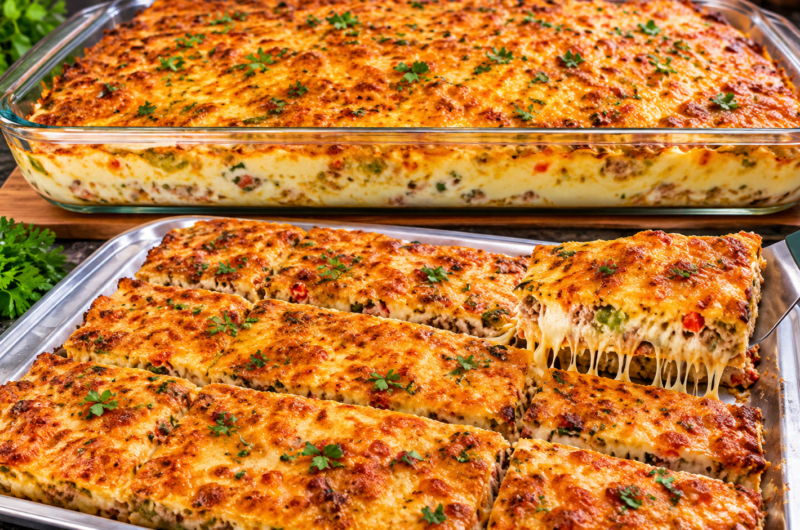
Classic Cottage Pie is a hearty British dinner made with seasoned ground beef, tender vegetables, and rich homemade gravy, all covered with a thick layer of creamy mashed potatoes. The dish is baked until the potato topping develops a beautiful golden crust while the savory beef filling bubbles gently around the edges. Every serving brings together different textures and flavors, making it a satisfying meal for family dinners, weekend cooking, and special occasions.
This traditional cottage pie recipe combines simple ingredients with a few important cooking techniques to create a delicious homemade meal. Ground beef provides the rich foundation, while onions, carrots, celery, and garlic build the flavor of the filling. Tomato paste adds depth, red wine gives the gravy a fuller taste, and fresh rosemary brings a pleasant herbal aroma. The mashed potato topping balances the savory filling with its soft, buttery texture.
One of the best things about homemade cottage pie is that most of the preparation involves everyday ingredients. You do not need complicated equipment or difficult cooking methods. The beef filling is prepared in one pan, the potatoes are boiled separately, and everything comes together in an oven-safe baking dish. Once assembled, the oven does most of the remaining work, allowing the flavors to blend while the top becomes golden and slightly crisp.
Cottage pie is also an excellent make-ahead dinner because it can be assembled before baking or frozen for another day. Whether you are preparing a comforting weeknight meal or looking for a traditional British recipe to share with family, this classic version offers a dependable combination of rich gravy, tender vegetables, and creamy mashed potatoes.
What Is Cottage Pie?
Cottage pie is a traditional British dish made with seasoned ground beef covered with mashed potatoes and baked in the oven. It became popular during the late eighteenth century, when potatoes were an affordable food that many working families could use to prepare filling meals. The dish provided a practical way to turn inexpensive ingredients into a satisfying dinner that could feed several people.
The original idea behind cottage pie was simple: prepare a savory meat filling, cover it with mashed potatoes, and bake everything together. Over time, different households developed their own versions by adding vegetables, herbs, gravy, and cheese. Although modern recipes may include additional seasonings and ingredients, the combination of beef and mashed potatoes remains the defining feature.
It is useful to understand the difference between cottage pie and shepherd’s pie because the two dishes are often confused. Cottage pie traditionally uses ground beef, while shepherd’s pie is prepared with ground lamb. Both recipes use a similar cooking method, including a savory meat layer and a mashed potato topping. The type of meat is the main distinction between these two familiar British comfort foods.
This Classic Cottage Pie Recipe
There are several reasons why this homemade cottage pie deserves a place in your regular dinner collection. First, it delivers a complete and satisfying meal in one baking dish. The beef provides protein, the vegetables contribute flavor and texture, and the potatoes create a soft topping that makes every portion filling. You can serve it directly from the baking dish, which also makes serving easier when cooking for a family.
Another reason to enjoy this recipe is its rich homemade gravy. Instead of relying on ready-made sauces, the filling develops its flavor from browned ground beef, cooked vegetables, tomato paste, red wine, and beef stock. These ingredients combine during simmering to produce a thick sauce that coats the meat without becoming watery. Fresh rosemary adds another layer of flavor without overpowering the other ingredients.
The mashed potato topping is equally important. Butter and heavy cream give the potatoes a smooth consistency, while grated Parmesan creates a flavorful golden crust during baking. Adding small ridges with a fork makes the surface more interesting because the raised areas become slightly crisp in the oven.
This recipe is also practical for meal preparation. You can prepare the filling and mashed potatoes ahead of time, assemble the pie, and refrigerate or freeze it until needed. Individual portions can also be frozen, making it easier to enjoy homemade comfort food on busy evenings.
How to Make Classic Cottage Pie
Preparing cottage pie involves three main stages: cooking the beef filling, making the mashed potatoes, and assembling everything before baking. Giving each stage enough attention is important because the consistency of the filling and topping determines how well the finished pie holds together.
Prepare the Vegetable Base
Begin by heating olive oil in a large, deep pan or Dutch oven over medium-high heat. Add the finely chopped onion, carrots, and celery. Cook the vegetables for approximately five to seven minutes, stirring occasionally, until they begin to soften and develop a little color. This first stage allows their flavors to blend and creates a flavorful foundation for the beef filling.
Add the minced garlic and continue cooking for approximately 30 seconds. Garlic cooks quickly, so there is no need to leave it in the pan for several minutes. Once fragrant, it is ready for the ground beef.
Brown the Ground Beef
Add the ground beef to the pan and use a wooden spoon to break it into smaller pieces. Allow it to cook for approximately seven to eight minutes until the meat is browned and no pink remains. Avoid stirring constantly because the beef needs contact with the hot pan to develop a deeper brown color.
Proper browning is one of the most important steps in making flavorful cottage pie. If the meat releases too much fat, remove some of the excess while leaving a little behind for flavor. The browned meat and vegetables will form the base of the rich gravy.
Build the Savory Beef Gravy
Stir the tomato paste into the browned beef mixture and cook for about one minute. Add the paprika, dried oregano, salt, and black pepper. Sprinkle the flour evenly over the ingredients and stir for another minute so that it coats the meat and vegetables.
Pour in the red wine while scraping the bottom of the pan with a wooden spoon. This helps release the browned pieces that have collected during cooking. These small pieces contain concentrated flavor and will become part of the gravy.
Add the beef stock and fresh rosemary sprig. Stir everything together and bring the mixture to a gentle simmer. Reduce the heat and cook for approximately 20 to 25 minutes, stirring occasionally. During this time, the vegetables will become tender and the sauce will gradually thicken.
The finished filling should be moist and rich without looking watery. If the gravy becomes too thick, add a small amount of beef stock. If it remains too thin, simmer it uncovered for a few additional minutes. Taste the mixture and adjust the salt and pepper before removing the rosemary stem.
Prepare the Creamy Mashed Potato Topping
Boil the Potatoes Until Tender
While the beef filling is simmering, prepare the potatoes. Peel them and cut them into evenly sized chunks so that they cook at approximately the same speed. Place the pieces in a large saucepan, cover them with cold salted water, and bring everything to a boil.
Cook the potatoes for approximately 15 to 20 minutes or until a knife passes through them easily. They should be completely tender before draining. Potatoes that are not fully cooked can create lumps in the mash, making it difficult to spread the topping evenly over the filling.
Mash With Butter and Cream
Drain the potatoes thoroughly and return them to the warm saucepan. Allowing excess moisture to escape helps prevent watery mashed potatoes. Mash them using a potato masher or potato ricer until they reach a smooth consistency.
Add the butter while the potatoes are still hot so that it melts evenly. Gradually mix in the heavy cream, stopping when the potatoes become smooth, thick, and easy to spread. Season with salt and black pepper according to taste. The topping should hold its shape rather than running off a spoon.
Assemble and Bake the Cottage Pie
Layer the Filling and Mashed Potatoes
Preheat the oven to 400°F (200°C). Transfer the prepared beef filling into an oven-safe baking dish and spread it into an even layer. Remove the rosemary sprig if you have not already done so.
Spoon the mashed potatoes over the beef mixture, beginning around the edges of the baking dish. Press the potatoes gently against the sides to create a seal before filling the center. This helps prevent the gravy from bubbling through the edges of the topping during baking.
Spread the remaining mashed potatoes evenly across the surface. Use a fork to create decorative ridges and small peaks. These raised areas will become golden and slightly crisp as the cottage pie cooks. Finish by distributing the grated Parmesan cheese across the entire potato layer.
Bake Until Golden and Bubbling
Place the baking dish on a foil-lined baking tray to catch any gravy that may bubble over. Transfer it to the preheated oven and bake for approximately 25 to 30 minutes. The top should become golden, the cheese should melt, and the beef filling should bubble gently around the edges.
If the potato topping needs additional color, place the dish under the broiler for two to three minutes. Keep a close eye on it because Parmesan can brown very quickly. Once the surface looks golden and appealing, remove the cottage pie from the oven.
Allow the Pie to Rest Before Serving
Let the cottage pie stand for five to ten minutes before cutting or spooning out portions. Resting gives the thick gravy a little time to settle, making it easier to serve neat portions without the filling spreading across the plate. The short resting period also allows the layers to hold together better.
Helpful Tips for Making the Best Cottage Pie
Brown the Beef Properly
Do not rush the browning stage by immediately adding liquid to the meat. Allow the ground beef to develop a rich brown color before continuing with the recipe. This creates a stronger savory flavor and gives the gravy more depth. Cooking the meat over suitable heat and avoiding constant stirring makes a noticeable difference to the finished filling.
Cook the Tomato Paste Before Adding Liquid
Tomato paste tastes better when it has a little time to cook in the hot pan. Stirring it with the beef and vegetables for about one minute helps develop its flavor and reduces its raw, metallic taste. This small step improves the overall balance of the gravy without requiring additional ingredients.
Keep the Mashed Potatoes Thick
The potato topping should be creamy but not loose. Adding too much cream can make it difficult to spread and may cause the topping to sink into the beef filling. Drain the potatoes carefully and add the cream gradually until the desired consistency is reached.
Create a Seal Around the Edges
Always begin spreading the mashed potatoes around the outside of the baking dish. Press the topping gently against the sides before filling the middle. This creates a barrier that helps keep the meat filling underneath the potato layer while the pie bakes.
Add Texture With a Fork
Use a fork to create small lines, ridges, and peaks across the mashed potato surface. These areas brown beautifully in the oven and provide a pleasant contrast to the soft potatoes underneath. It is an easy way to improve the appearance and texture of cottage pie without changing the ingredients.
How to Freeze and Store Cottage Pie
Classic cottage pie is a practical make-ahead meal because it can be prepared in advance and stored for later. You can freeze the complete assembled pie before baking, prepare individual portions, or store the beef filling separately. Choosing the right storage method makes it easier to prepare a homemade dinner when you have limited time.
Freezing Cottage Pie Before Baking
Prepare the beef filling and mashed potato topping as directed, then assemble the pie in a freezer-safe baking dish. Spread the Parmesan over the surface, but do not bake it. Cover the potato topping with parchment paper and wrap the dish tightly with cling film followed by aluminum foil. Label the dish with the preparation date and freeze for up to three months.
A foil baking dish is particularly convenient because it can move from the freezer to the oven without requiring you to transfer the food into another container. Always make sure the dish is suitable for the temperature changes involved.
Baking Cottage Pie From Frozen
Remove all plastic wrapping before baking. Place the frozen pie on a foil-lined baking tray and bake at 350°F (180°C) for approximately 60 to 75 minutes, or until the center is thoroughly hot and the filling bubbles around the edges. Increase the oven temperature to 400°F (200°C) during the final ten minutes to help the Parmesan topping become golden and crisp.
Cooking time can vary depending on the depth of the baking dish and the size of the frozen pie. Check that the center is heated thoroughly before serving.
Freezing Individual Portions
For easier meal preparation, divide the assembled cottage pie between smaller oven-safe dishes or ramekins before freezing. Individual portions are convenient when you only need one or two servings. They also require less reheating time than a full-sized baking dish, although the exact cooking time depends on the portion size and whether it is frozen or thawed.
Freezing the Beef Filling Separately
You can also freeze the cooked beef filling without the mashed potato topping. Allow the filling to cool, transfer it into airtight freezer-safe containers, and freeze for up to three months. When you are ready to prepare dinner, thaw the filling safely, make a fresh batch of mashed potatoes, assemble the cottage pie, and bake until hot and golden.
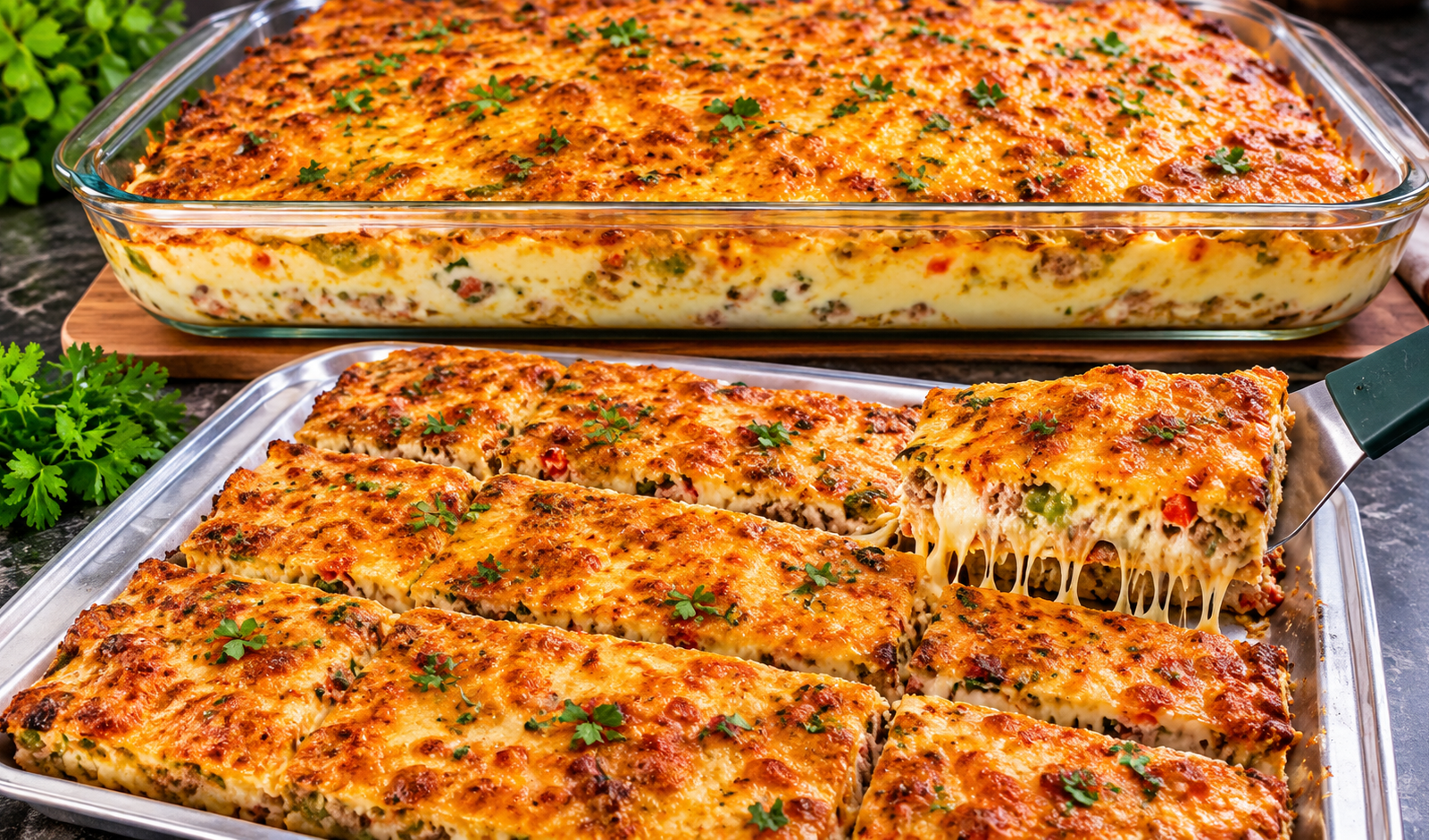
Healthy Classic Cottage Pie
Traditional British cottage pie made with seasoned ground beef, tender vegetables, rich red wine gravy, and creamy mashed potatoes. Finished with golden Parmesan cheese, this hearty family dinner is perfect for make-ahead meals and freezer-friendly cooking.
6
servings15
minutes1
hour30
minutes590
kcal1
hour45
minutesIngredients
- For the Beef Filling
2 tbsp olive oil
1 onion, finely chopped
2 large carrots, peeled and finely chopped
2 stalks celery, finely chopped
4 garlic cloves, minced
2 lb (1kg) ground beef / beef mince
2 tbsp tomato paste
1 tsp paprika
1 tsp dried oregano
⅓ cup flour
1 cup (250ml) red wine
3 cups (750ml) beef stock
1 sprig rosemary
2–3 tsp salt, to taste
1–2 tsp black pepper, to taste
- For the Mashed Potato Topping
2 lb (1kg) potatoes
2 tbsp butter
½ cup heavy cream
Salt and pepper, to taste
½ cup grated Parmesan cheese
Instructions
- Prepare the Beef Filling
Heat olive oil in a large pan over medium-high heat. Add the chopped onion, carrots, and celery. Cook for 5–7 minutes until softened. Stir in the minced garlic and cook for another 30 seconds.
Add the ground beef and break it into smaller pieces with a wooden spoon. Cook for 7–8 minutes until browned and no pink remains.
Mix in the tomato paste and cook for 1 minute. Add paprika, dried oregano, salt, and black pepper. Sprinkle in the flour and stir until everything is evenly coated.
Pour in the red wine, scraping the bottom of the pan to release the browned pieces.
Add the beef stock and rosemary sprig. Bring to a gentle simmer and cook for 20–25 minutes until the vegetables are tender and the gravy has thickened. Adjust the seasoning to taste and remove the rosemary. - Prepare the Mashed Potatoes
Peel the potatoes and cut them into evenly sized chunks. Place in a saucepan of salted water and boil for 15–20 minutes until completely tender.
Drain the potatoes thoroughly and mash until smooth. Mix in the butter, followed by the heavy cream. Season with salt and pepper. - Assemble and Bake
Preheat the oven to 400°F (200°C). Transfer the beef filling into an oven-safe baking dish and spread evenly.
Spoon the mashed potatoes over the filling, starting around the edges. Spread across the surface and create ridges using a fork. Sprinkle the Parmesan cheese evenly over the top.
Bake for 25–30 minutes until the topping is golden and the filling bubbles around the edges. Broil for an additional 2–3 minutes if needed, watching carefully.
Allow the cottage pie to rest for 5–10 minutes before serving.
Nutrition Facts
- Calories: 590kcal
- Fat: 23g
- Carbohydrates: 45g
- Sugar: 5g
- Protein: 43g