
This Fluffy Low-Carb Yogurt Bread is a soft, tender homemade loaf prepared with only five main ingredients: full-fat Greek yogurt, eggs, almond flour, baking powder, and salt. It is naturally gluten-free and grain-free because it contains no wheat flour, while its almond flour base keeps the carbohydrate content much lower than conventional bread. With about 10 minutes of preparation and 30 to 35 minutes of baking, it is also a practical choice when you want homemade bread without yeast, kneading, or proofing.
Although the original recipe calls this “No-Carb Yogurt Bread,” the supplied nutrition information lists approximately 4 grams of total carbohydrates and 2 grams of net carbohydrates per slice. For accuracy, this rewritten version uses the terms low-carb yogurt bread and keto-friendly yogurt bread rather than claiming the loaf contains zero carbohydrates. This wording is both clearer for readers and better aligned with the nutritional values supplied with the recipe.
Why You Prefer This Easy Yogurt Bread
One of the strongest features of this recipe is its simplicity. Many gluten-free and keto bread recipes depend on long lists of specialty ingredients, but this loaf requires only five core ingredients. There are no complicated flour blends to prepare and no yeast to activate. Everything is mixed into a thick batter, transferred to a loaf pan, and baked until golden, making the recipe approachable even for people with limited bread-baking experience.
The bread is also versatile enough for different meals throughout the day. A warm slice can be served with butter at breakfast, toasted and topped with eggs, or used to prepare a sandwich for lunch. At dinner, slices can accompany soup, salad, or grilled foods. Its mild flavor means the loaf does not need to be reserved exclusively for either sweet or savory dishes.
An Easy No-Yeast Almond Flour Bread
Traditional bread-making often involves yeast, kneading, resting, shaping, and proofing. None of those steps are necessary here. Baking powder provides the lift, so once the batter has been mixed, it can go directly into the prepared pan. This makes the recipe particularly convenient when you want fresh homemade bread but do not have several hours available.
The absence of kneading also makes preparation less intimidating. You simply whisk the yogurt and eggs, stir in the almond flour, baking powder, and salt, and transfer the thick mixture into the loaf pan. The main technique to remember is to avoid excessive mixing after the dry ingredients have been added. Gentle mixing helps maintain a lighter, softer texture.
Why Greek Yogurt Works Well in Bread
Full-fat Greek yogurt is one of the main ingredients responsible for this bread’s moist texture. Unlike a thin liquid, Greek yogurt has a thick consistency that adds moisture without making the batter excessively loose. Its slight tanginess also gives the otherwise mild almond flour loaf more depth of flavor.
The recipe calls for one full cup of Greek yogurt, making it a substantial part of the batter rather than a minor addition. When combined with the eggs, it creates the wet base that holds the almond flour together. Full-fat yogurt also contributes richness, helping the finished bread stay tender without requiring oil or butter in the actual batter.
Almond Flour Replaces Traditional Wheat Flour
Instead of all-purpose or bread flour, this recipe uses one and a half cups of almond flour. This ingredient is responsible for making the loaf naturally free from wheat and grain. Almond flour also contains naturally occurring fat, which helps give the bread a moist, rich crumb even though there is no additional oil included in the ingredient list.
Almond flour behaves differently from conventional wheat flour because it does not contain gluten. As a result, you should not expect this loaf to have exactly the same stretchy or chewy structure as traditional yeast bread. Instead, the finished crumb is softer and more tender. Once the loaf has cooled completely, however, it can be sliced for toast, sandwiches, or snacks.
Is This Yogurt Bread Gluten-Free?
Based on the listed ingredients, the bread contains no wheat flour and uses almond flour as its flour ingredient. However, readers who must strictly avoid gluten should still check the labels of individual products, particularly baking powder, to make sure the products they purchase meet their dietary requirements.
Cross-contact can also matter for people who require strict gluten avoidance. Using clean equipment and products clearly labeled gluten-free can therefore be important. From a recipe-category perspective, terms such as gluten-free almond flour bread and gluten-free yogurt bread accurately describe the ingredient structure when appropriately certified products are used.
Is This Really a No-Carb Bread?
No. It is more accurately described as low-carb bread rather than no-carb bread. The supplied nutritional information estimates 4 grams of total carbohydrates per slice, including 2 grams of fiber. This produces the stated estimate of approximately 2 grams of net carbohydrates per serving.
Using accurate terminology is important for a recipe website, especially when readers may search for recipes because of specific dietary requirements. The original title can remain recognizable if necessary, but from an SEO and reader-trust perspective, Fluffy Low-Carb Yogurt Bread, Keto Yogurt Bread, or Low-Carb Almond Flour Bread are more precise descriptions of the recipe.
A High-Protein Homemade Bread Option
The combination of Greek yogurt, eggs, and almond flour also provides protein. According to the supplied nutritional estimate, one of the 10 slices contains approximately 8 grams of protein. That makes protein another useful feature to highlight when describing the bread, particularly for readers looking for alternatives to conventional white bread.
However, it is best to present the nutrition figures factually rather than making promises about how the bread will affect hunger, blood sugar, weight, or other health outcomes. Nutrition needs and responses differ between individuals. Describing the loaf as containing approximately 8 grams of protein per slice gives readers useful information without overstating its potential benefits.
The Role of Eggs in Almond Flour Bread
Four large eggs are used in this loaf, making them essential to its structure. Since almond flour contains no gluten, eggs help bind the ingredients and allow the bread to hold together after baking. They also contribute moisture, richness, and protein while helping create a lighter crumb when properly combined with the Greek yogurt.
For smoother mixing, use room-temperature eggs as recommended in the original notes. Cold eggs can still be mixed, but room-temperature ingredients generally combine more evenly. Whisk the eggs thoroughly with the yogurt before introducing the almond flour so the wet mixture is uniform and there are no obvious streaks of egg remaining.
Baking Powder Provides the Rise
One tablespoon of baking powder gives this yeast-free loaf its lift. Since there is no fermentation or proofing stage, the baking powder needs to create enough expansion during baking to prevent the almond flour mixture from remaining excessively dense. This is why the bread can go from mixing bowl to oven almost immediately.
For reliable results, make sure your baking powder is fresh and evenly incorporated. Once it has been added with the almond flour and salt, stir gently until a thick batter forms. Avoid prolonged mixing. There is no benefit to kneading or beating this batter because the recipe does not contain wheat gluten that needs to be developed.
How to Prepare the Loaf Pan
Start by preheating the oven to 350°F (175°C). Lightly grease a loaf pan with butter or non-stick cooking spray as directed in the original recipe. Proper greasing is important because the egg- and almond-flour-based loaf needs to release cleanly once it has finished its initial cooling period.
Prepare the pan before mixing the batter so it is ready as soon as the ingredients have been combined. This keeps the workflow quick and straightforward. Since the recipe takes only around 10 minutes to prepare, preheating the oven first also ensures it has reached the correct temperature by the time the batter is ready for baking.
Mixing Greek Yogurt and Eggs
Place one cup of full-fat Greek yogurt and four large eggs into a large mixing bowl. Whisk until the mixture is smooth and evenly combined. Take enough time at this stage to create a uniform wet mixture because this makes it easier to incorporate the dry ingredients without excessive stirring later.
The mixture may look different from traditional bread dough, which is completely normal. This is a batter-style quick bread rather than a kneaded yeast loaf. Once the yogurt and eggs are smooth, the almond flour, baking powder, and salt can be added directly to the same bowl, keeping cleanup simple.
Adding the Almond Flour
Add one and a half cups of almond flour, one tablespoon of baking powder, and half a teaspoon of salt to the yogurt and egg mixture. Stir gently until the dry ingredients are incorporated and a thick batter forms. The batter should be substantial enough to spread into the loaf pan rather than pour like a thin cake batter.
Do not continue stirring once the ingredients are evenly combined. The source recipe specifically recommends avoiding overmixing to help preserve a lighter texture. Although there is no wheat gluten to develop, minimal handling still helps maintain the intended consistency of this particular almond flour batter.
Baking the Low-Carb Yogurt Bread
Transfer the thick batter into the greased loaf pan and use a spatula to spread the surface evenly. Place it in the preheated 350°F (175°C) oven and bake for approximately 30 to 35 minutes. The finished loaf should have an attractive golden surface and appear set through the center.
A toothpick provides a simple way to check for doneness. Insert it into the center of the loaf; it should come out clean when the bread is ready. If wet batter remains attached, allow the loaf to continue baking and check again. Oven performance varies, so use the visual signs and toothpick test alongside the recommended baking time.
Cooling the Bread Before Slicing
After removing the loaf from the oven, leave it in the pan for approximately 10 minutes. This gives the structure time to settle before the bread is moved. After the initial cooling period, carefully transfer it to a wire rack and allow it to cool completely.
Full cooling is particularly important for almond flour bread. Cutting the loaf while it is still very warm can result in rough or crumbly slices because the interior has not finished setting. Once cool, the bread should cut more cleanly and be easier to use for sandwiches, toast, and meal preparation.
Serving Yogurt Bread for Breakfast
One of the easiest ways to serve this bread is lightly toasted with butter. Toasting gives the exterior more structure while warming the soft center, making it a simple breakfast option. Another serving idea from the supplied recipe is to add avocado and eggs for a more substantial morning meal.
Because the bread itself has a relatively mild flavor, it works with many familiar breakfast ingredients. It can also be served alongside scrambled or fried eggs rather than topped directly. If using the loaf for meal preparation, slice it only after it has cooled completely so the portions can be stored and reheated individually.
Using Low-Carb Bread for Sandwiches
Once completely cooled, the loaf can be sliced and used for sandwiches. The source suggests fillings such as turkey, chicken, tuna, or cheese. Its tender texture differs from conventional wheat sandwich bread, so allowing it to cool fully before cutting and assembling is especially important.
Lightly toasting the slices can also provide additional firmness if you plan to use moist sandwich fillings. Since the bread has a mild almond-and-yogurt flavor, it can complement many savory ingredients without overpowering them. This versatility makes it useful for breakfast, lunch, snacks, and simple dinner accompaniments.
Serving the Bread with Dinner
Low-carb yogurt bread can be served alongside soups, salads, grilled meats, and other savory meals. Warm or toasted slices can take the place of conventional bread when you want an almond-flour-based accompaniment. Because the recipe contains no herbs or strong seasonings in its standard form, its neutral flavor works with many different dishes.
The supplied recipe also suggests brushing toasted slices with melted butter and herbs to create a garlic-bread-style variation. However, because butter and herbs are not part of the original five-ingredient bread formula, these are serving variations rather than ingredients in the core recipe.
Optional Flavor Variations
The source includes several optional ways to change the bread’s flavor. Rosemary, thyme, or oregano can create a savory herb loaf, while shredded cheddar or Parmesan can add richness. Sesame, flax, or sunflower seeds can be scattered over the surface for additional texture, and cinnamon with a keto-friendly sweetener can move the flavor in a sweeter direction.
These additions are optional variations and are not included in the recipe card because your instructions require the original ingredients to remain unchanged. Keeping them separate preserves the integrity of the five-ingredient formula while still giving readers ideas for adapting future batches according to their preferred flavors.
A Note About Coconut Flour Substitution
The supplied source suggests that coconut flour can replace the almond flour but recommends using only half a cup because coconut flour is considerably more absorbent. However, this represents a significant ingredient substitution and would produce a different version of the recipe.
Because your instructions specifically require that the original ingredients not be modified, this rewritten recipe card keeps the full one and a half cups of almond flour. Readers who choose to experiment with coconut flour should understand that it behaves very differently and may alter the crumb, moisture level, and overall characteristics of the loaf.
How to Store Low-Carb Yogurt Bread
Once the bread has cooled completely, place it in an airtight container and refrigerate it for up to five days. Refrigeration is appropriate because the loaf contains a substantial amount of Greek yogurt and eggs. Individual slices can then be removed as needed for breakfast, sandwiches, or snacks.
For serving, refrigerated slices can be toasted or gently warmed. The supplied instructions also recommend reheating in a 300°F (150°C) oven for approximately five to seven minutes. Warming can improve the texture of refrigerated bread, especially when you prefer a slightly crisp exterior and soft center.
How to Freeze Yogurt Bread
For longer storage, allow the bread to cool completely and cut it into individual slices. Wrap the slices in parchment paper and transfer them to freezer-safe bags or containers. According to the supplied recipe, the bread can be frozen for up to two months.
Individual freezing is useful because it allows you to remove only the number of slices needed at one time. Frozen bread can be thawed overnight in the refrigerator or toasted from frozen. This makes the recipe particularly convenient for meal preparation when you do not expect to finish the entire 10-slice loaf within several days.
Notes for the Best Almond Flour Yogurt Bread
For consistent results, use room-temperature eggs so they combine smoothly with the full-fat Greek yogurt. Measure the almond flour by gently spooning it into the measuring cup rather than packing it tightly, since excessive flour can alter the texture. Grease the loaf pan thoroughly and avoid unnecessary mixing once the dry ingredients have been added.
Cooling is equally important. Leave the bread in its pan for approximately 10 minutes after baking and then transfer it to a wire rack. Do not slice until completely cool. These small details are particularly helpful when working with almond flour because the loaf does not contain the gluten structure found in conventional wheat bread.
Is This Bread Suitable for a Keto Diet?
The recipe’s supplied nutritional estimate lists approximately 4 grams of total carbohydrates, 2 grams of fiber, and 2 grams of net carbohydrates per slice. This low carbohydrate content may make the recipe compatible with many low-carb or ketogenic eating patterns, depending on an individual’s overall diet and serving size.
For a recipe website, keto-friendly yogurt bread, low-carb almond flour bread, and easy keto bread recipe are reasonable descriptive phrases. It is better, however, to avoid promising that any individual food automatically meets every person’s ketogenic requirements because dietary targets and portion sizes can vary.
Why This Recipe Works
For readers searching for low-carb yogurt bread, keto yogurt bread, almond flour bread, gluten-free bread, grain-free bread, high-protein bread, no-yeast bread, easy keto bread, or 5-ingredient bread, this recipe provides a particularly simple homemade option. Its short ingredient list and straightforward method also make it accessible to beginner bakers.
Greek yogurt provides moisture, eggs contribute structure, almond flour forms the base, baking powder supplies lift, and salt balances the flavor. Preparation requires approximately 10 minutes, while baking takes only 30 to 35 minutes. With no yeast, kneading, or proofing, this fluffy almond flour yogurt bread offers an easy way to prepare a versatile low-carb loaf at home.
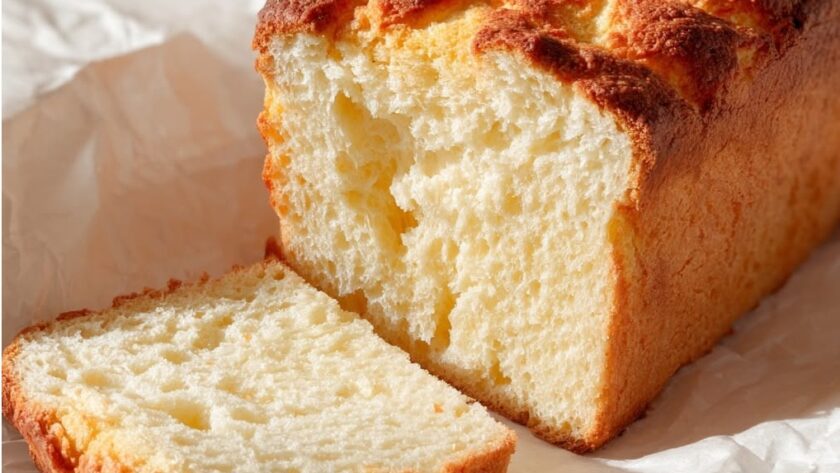
Fluffy No-Carb Yogurt Bread
A soft and tender low-carb yogurt bread made with only five simple ingredients.
10
servings10
minutes35
minutes150
kcal45
minutesIngredients
1 cup full-fat Greek yogurt
4 large eggs
1½ cups almond flour
1 tablespoon baking powder
½ teaspoon salt
Instructions
- Preheat the oven to 350°F (175°C).
- Lightly grease a loaf pan with butter or cooking spray.
- Add Greek yogurt and eggs to a large bowl.
- Whisk until completely smooth.
- Add almond flour, baking powder, and salt.
- Stir gently until a thick batter forms. Do not overmix.
- Transfer the batter to the prepared loaf pan.
- Smooth the surface evenly with a spatula.
- Bake for 30–35 minutes until golden.
- Insert a toothpick into the center; it should come out clean.
- Cool in the pan for approximately 10 minutes.
- Transfer to a wire rack and cool completely.
- Slice and serve fresh, toasted, or as sandwich bread.
Nutrition Facts
10 servings per container
- Amount Per ServingCalories150
- % Daily Value *
- Total Fat
11g
15%
- Total Carbohydrate
4g
2%
- Protein 8g 16%
* The % Daily Value tells you how much a nutrient in a serving of food contributes to a daily diet. 2,000 calories a day is used for general nutrition advice.