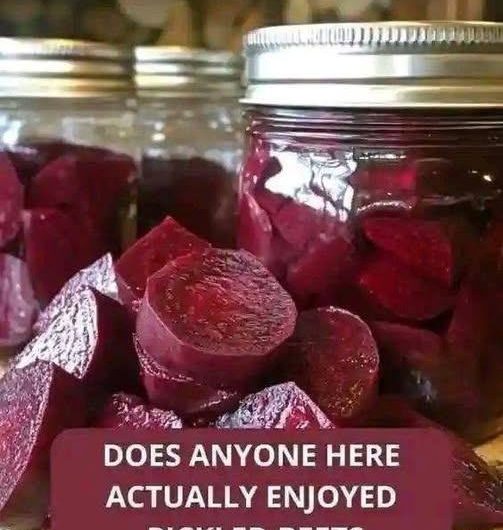
Pickled beets are one of those simple pantry projects that pay off far more than the effort involved. Fresh beets are boiled until tender, then bathed in a warm, tangy-sweet vinegar brine along with garlic, peppercorns, and bay leaves. After a day or so in the refrigerator, they come out sweet, tangy, colorful, and packed with flavor — ready to brighten up salads, sandwiches, burgers, or serve on their own as a healthy side.
What makes this recipe worth keeping in regular rotation is how well it holds up in the fridge. A single batch stays good for weeks, which makes it a genuinely useful meal-prep item rather than a one-time treat. The color alone — a deep, vivid magenta — makes these beets look far more impressive on a plate than the short ingredient list would suggest.
Why This Recipe Works
There isn’t anything complicated happening here: it’s a classic sweet-and-sour pickling liquid built from vinegar, sugar, salt, and aromatics, poured hot over cooked beets and left to infuse in the refrigerator. The technique is naturally gluten-free and doesn’t call for any unusual equipment or ingredients, which is part of why it’s such an approachable project for a first-time pickler.
The other advantage is flexibility. The core method stays the same whether you want a plain, classic version or one dressed up with warming spices or a different vinegar — the recipe accommodates small changes easily without needing to be reworked from scratch.
Mise en Place: Getting Organized Before You Start
For the beets and pickling liquid:
- 2 pounds fresh beets
- 1 cup white vinegar
- 1 cup water
- 1/2 cup sugar
- 1 teaspoon salt
- 1/2 teaspoon black peppercorns
- 2 garlic cloves, sliced
- 1 small onion, sliced (optional)
- 2 bay leaves
Equipment to have ready:
- A large pot (for boiling the beets)
- Knife and cutting board
- A glass jar or container with a lid
- A small saucepan (for the pickling liquid)
Since this recipe involves boiling, cooling, peeling, slicing, and then a full day of chilling, it’s worth planning ahead: the active cooking time is under an hour, but the beets won’t be ready to eat until at least 24 hours after they go into the jar.
Choosing and Handling Your Beets
Smaller beets tend to cook faster and come out more tender than larger ones, so if you have a choice at the store or market, smaller is generally the safer bet. Beyond size, there’s not much else to look for — this is a forgiving recipe when it comes to ingredient selection.
One practical note worth keeping in mind: beet juice stains easily, including hands, cutting boards, and clothing. Wearing gloves while peeling and slicing is a simple way to avoid walking around with stained fingers for the next few days.
Workflow: How the Process Comes Together
Stage One: Cooking the Beets
- Wash the beets well to remove any dirt, leaving the skins on.
- Place them in a large pot and cover with water. Bring to a boil, then reduce the heat and simmer for 35–45 minutes, or until the beets are fork-tender.
- Drain and let them cool slightly before handling.
Stage Two: Peeling and Slicing
- Once the beets are cool enough to handle, rub off the skins using your hands or a paper towel — this is much easier once they’re cooked, since the skins loosen naturally.
- Slice the beets into rounds or cubes, depending on your preference.
Stage Three: Making the Pickling Liquid
- In a small saucepan, combine the white vinegar, water, sugar, salt, peppercorns, garlic, and bay leaves.
- Bring the mixture to a gentle boil, stirring until the sugar fully dissolves.
Stage Four: Filling the Jar
- Place the sliced beets into a clean glass jar, adding sliced onion if you’re using it.
- Pour the hot pickling liquid over the beets until they’re fully submerged.
- Let the jar cool completely before moving to the next step.
Stage Five: Refrigerating
- Cover the jar and refrigerate for at least 24 hours before eating, which is what allows the beets to properly absorb the pickling flavor.
- The flavor continues to deepen and strengthen over the following few days.
Why Each Step Matters
Cooking the beets whole and unpeeled, rather than peeling them raw first, keeps more of their color and nutrients intact during boiling and also makes peeling significantly easier afterward, since the skins slip off with just light rubbing once cooked.
The pickling liquid is brought to a boil specifically to dissolve the sugar completely — an undissolved, gritty brine won’t distribute sweetness evenly through the jar. Pouring the liquid over the beets while it’s still hot helps the flavors begin infusing right away, while the subsequent cooling period is important before refrigerating, since putting a hot jar directly into the fridge isn’t ideal for food safety or for your refrigerator’s temperature stability.
The 24-hour minimum chill time isn’t just a suggestion — it’s the point at which the beets have had enough contact time with the pickling liquid to actually taste “pickled” rather than simply boiled and doused in vinegar. Waiting a few days longer intensifies that effect even further.
Approved Variations and Swaps
Based strictly on what’s outlined in this recipe:
- Vinegar swap: Apple cider vinegar can be used in place of white vinegar for a slightly sweeter result.
- Onion choice: Red onions work particularly well if you’re including the optional sliced onion.
- Warming spice add-ins: Cloves or cinnamon can be added to the pickling liquid for a warmer flavor profile.
- Pickling speed: Slicing the beets thinly speeds up how quickly they take on the pickling flavor.
Tips for the Best Results
- Use gloves when handling beets to avoid stained hands.
- Add cloves or cinnamon if you want a warmer flavor note.
- Red onions are a strong choice if using onion in the jar.
- Thinner beet slices pickle faster than thicker cuts or rounds.
- Letting the beets sit for 2–3 days (rather than the minimum 24 hours) produces a deeper, more developed flavor.
Storage Notes
Store the finished pickled beets in the refrigerator for up to 3 weeks. Avoid using metal containers for pickling, since the acidic brine can react with metal over time — a glass jar or container with a lid is the right choice. Smaller beets, as mentioned earlier, tend to cook faster and come out more tender than larger ones, which is worth keeping in mind both for texture and for how quickly they take on the pickling flavor.
Step-by-Step Assembly Strategy
To keep the process efficient:
- Get the beets boiling first, since they need the longest cook time of any component.
- While they simmer, gather your jar, saucepan, and pickling liquid ingredients.
- Once the beets are tender, start the pickling liquid on the stovetop while the beets cool enough to handle.
- Peel and slice the beets, then fill the jar.
- Pour the hot liquid over the beets, cool completely, and refrigerate.
- Wait at least 24 hours — ideally 2–3 days — before serving for the best flavor.
Serving Ideas
Pickled beets work well in a variety of dishes: tossed into green salads, paired with goat cheese, layered onto sandwiches and burgers, served alongside grilled chicken or fish, added to grain bowls, or eaten straight from the jar as a healthy snack.
Easy Pickled Beets Recipe
Description: Sweet, tangy, and colorful homemade pickled beets made with vinegar, sugar, and spices — perfect for salads, sandwiches, or healthy snacks.
Duration: Prep Time: 15 minutes | Cook Time: 45 minutes | Chill Time: 24 hours | Total Time: 1 day, 1 hour
Ingredients:
- 2 pounds fresh beets
- 1 cup white vinegar
- 1 cup water
- 1/2 cup sugar
- 1 teaspoon salt
- 1/2 teaspoon black peppercorns
- 2 garlic cloves, sliced
- 1 small onion, sliced (optional)
- 2 bay leaves
Instructions:
- Boil the beets, unpeeled, in a large pot of water for 35–45 minutes, until fork-tender. Drain and let cool slightly.
- Once cool enough to handle, rub off the skins and slice the beets into rounds or cubes.
- In a small saucepan, combine the vinegar, water, sugar, salt, peppercorns, garlic, and bay leaves. Bring to a gentle boil, stirring until the sugar dissolves.
- Place the sliced beets in a clean glass jar, adding the sliced onion if using. Pour the hot pickling liquid over the beets until fully covered.
- Let cool completely, then cover and refrigerate for at least 24 hours before serving.
Notes: Store in the refrigerator for up to 3 weeks. Do not use metal containers for pickling. Apple cider vinegar can be substituted for white vinegar for a slightly sweeter taste. Smaller beets cook faster and are usually more tender. Flavor deepens after 2–3 days.
Disclaimer: This recipe and its accompanying information are provided for general informational and culinary purposes only and are not intended as medical, dietary, or nutritional advice. Please consult a physician, registered dietitian, or other qualified healthcare provider before making significant changes to your diet, particularly if you have existing medical conditions, food allergies, or specific nutritional requirements. Always follow safe food handling and storage practices when preparing and storing pickled foods. The creator of this content assumes no liability for any adverse effects resulting from the preparation or consumption of this recipe.