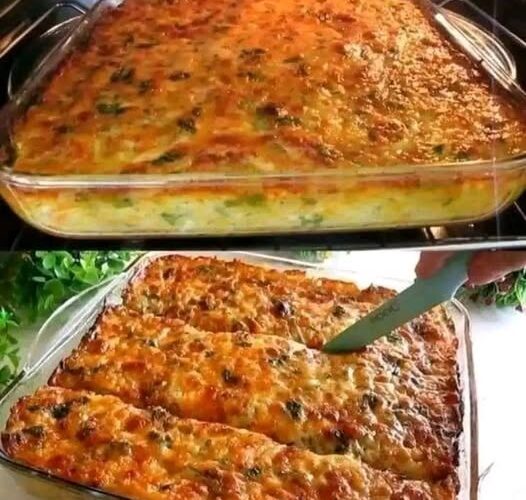
Cottage pie belongs to a long tradition of British home cooking, built around a simple, practical idea: slowly cook seasoned ground beef with vegetables into a rich gravy, then top it with a thick layer of mashed potato and bake until golden. Unlike shepherd’s pie, which uses lamb, cottage pie is made with beef, giving it a richer, meatier character beneath the buttery potato topping.
The dish rewards patience more than any complicated technique — each layer builds on the one before it, from browning the beef, to developing the gravy, to getting the mashed potato topping smooth and well-seasoned. Done right, the result is a deeply comforting, all-in-one meal that also happens to freeze exceptionally well, making it a strong make-ahead option.
Mise En Place: Getting Organized Before You Cook
Because this recipe has two components — the beef filling and the mashed potato topping — that need to come together separately before assembly, staging everything ahead of time keeps the process manageable.
The beef filling. Lean ground beef, diced onion, diced carrots, minced garlic, frozen peas, tomato paste, beef broth, Worcestershire sauce, dried thyme, dried rosemary, salt, pepper, and olive oil.
The mashed potato topping. Peeled, chopped potatoes, butter, warm milk, salt, and white pepper.
Optional additions. Sliced mushrooms, a splash of dry red wine, smoked paprika, corn kernels, grated cheddar, cornstarch for extra gravy thickness, fresh thyme, nutmeg, and chopped parsley.
Equipment. A large skillet or sauté pan, a large saucepan for the potatoes, a colander, a potato masher or hand mixer, a wooden spoon, a sharp knife and cutting board, measuring cups and spoons, a 9×13-inch baking dish, and oven mitts.
Choosing the Right Beef and Potatoes
Lean ground beef with a fresh, pinkish-red color and a reasonable ratio of meat to fat works best here — a small amount of fat actually helps develop flavor over the filling’s cooking time, so going too lean can leave the gravy tasting flat. Avoid beef that looks grayish or has an off smell.
For the topping, starchy potatoes like russets or Yukon golds mash to a smooth, creamy consistency, while waxy varieties tend to turn gluey when mashed — worth avoiding here. Skip any potatoes with green patches, sprouted eyes, or soft spots.
Workflow: How the Process Flows
- Prepare the vegetables. Finely dice the onion and carrots, mince the garlic, and slice mushrooms if using.
- Boil the potatoes. Cover the peeled, chopped potatoes with cold, salted water, bring to a boil, and cook 15 to 18 minutes until fork-tender. Drain and return to the warm pan.
- Cook the filling. Heat olive oil in a large skillet over medium-high heat. Add the onion and carrots, cooking 4 to 5 minutes until softened. Add the garlic and cook 30 seconds. Add the beef and cook, breaking it apart, until browned. Stir in the tomato paste and cook 2 minutes. Pour in the beef broth and Worcestershire sauce, add the thyme, rosemary, salt, and pepper, then stir in the peas. Simmer 10 to 15 minutes until the gravy thickens.
- Let the filling rest. Remove from heat and let sit 5 minutes while preparing the mashed potato.
- Make the mashed potato topping. Mash the drained potatoes with butter and warm milk until smooth and creamy, seasoning generously with salt and white pepper. Beat briefly with a hand mixer for extra smoothness if desired.
- Assemble. Preheat the oven to 400°F (200°C). Transfer the filling to a 9×13-inch baking dish, spreading evenly. Spoon the mashed potato over the top, spreading gently to cover the surface, then use a fork to create a ridged pattern.
- Bake. 20 to 25 minutes, until the topping is golden brown and the filling is bubbling at the edges. Broil for the final 2 to 3 minutes if extra browning is needed, watching closely.
- Rest before serving. Let the pie rest 5 to 7 minutes before serving.
Why Browning the Beef Thoroughly Matters
Cooking the ground beef until it’s fully browned — not just cooked through, but actually developing some color — builds a base layer of flavor that a paler, less-browned beef simply won’t achieve. This browning happens through direct contact with the hot pan, which is part of why the beef goes in after the vegetables have already softened, rather than all at once — giving the beef its own moment of direct heat contact.
Why the Filling Needs to Simmer Long Enough
Simmering the filling for the full 10 to 15 minutes isn’t just about heating everything through — it’s what allows the gravy to actually thicken and the various flavors (beef, tomato paste, Worcestershire, herbs) to meld together into something cohesive rather than tasting like separate ingredients loosely combined. Cutting this simmer short leaves a thinner, more watery gravy that won’t set properly beneath the mashed potato layer once baked.
Why Letting the Filling Rest Before Assembly Helps
A brief 5-minute rest after the filling finishes simmering allows the gravy to thicken slightly further and the flavors to settle before it goes into the baking dish. This small pause, timed to overlap with preparing the mashed potato topping, means no extra time is really lost in the overall process.
Why the Fork Ridging on the Potato Topping Matters
Dragging a fork across the surface of the mashed potato topping before baking isn’t just decorative — those ridges increase the surface area exposed to the oven’s heat, which helps the topping brown more evenly and develop more texture and color than a perfectly smooth surface would.
Why Liquid Balance in the Filling Is a Real Concern
Adding too much liquid to the filling — more broth than the recipe calls for, or not letting it reduce enough — can prevent the filling from setting properly once it’s under the mashed potato layer. A filling that’s still too loose will make for a messier, less structured pie once sliced, even if the flavor is fine. Tasting and adjusting for seasoning is one thing, but tracking the overall liquid volume as the filling simmers is what keeps the finished dish from turning soupy.
Approved Flavor Variations
This base recipe adapts easily into a number of different directions:
Cheesy Cottage Pie. Sprinkle grated cheddar over the mashed potato before baking for a rich, golden cheese crust.
Mushroom Cottage Pie. Sauté sliced mushrooms with the onion and carrot before adding the beef.
Red Wine Cottage Pie. Add a splash of dry red wine to the filling after browning the beef, letting it reduce before adding the broth.
Sweet Potato Topped Cottage Pie. Replace the regular mashed potato with mashed sweet potatoes for a sweeter, more colorful variation.
Spicy Cottage Pie. Add a pinch of chili flakes to the filling for gentle heat.
Extra Vegetable Cottage Pie. Add corn kernels and diced celery to the filling alongside the carrots and peas.
Herb-Infused Cottage Pie. Add a few sprigs of fresh thyme and rosemary to the filling while it simmers, removing them before assembly.
Mini Individual Cottage Pies. Divide the filling and mashed potato among individual ramekins, reducing baking time slightly and checking for a golden topping.
Nutmeg Mashed Potato Cottage Pie. Stir a pinch of ground nutmeg into the mashed potato for a subtly warm, aromatic flavor.
Double Beef Cottage Pie. Increase the ground beef for a heartier, more protein-rich filling.
Common Mistakes and How to Avoid Them
- Not cooking the filling long enough, resulting in thin, watery gravy.
- Making the mashed potato topping too thin, causing it to sink into the filling.
- Skipping the resting time before serving, making it harder to portion neatly.
- Under-seasoning the mashed potato.
- Using a baking dish that’s too shallow, causing the filling to bubble over.
- Adding too much liquid to the filling, preventing it from setting properly.
- Not browning the beef thoroughly before adding other ingredients.
- Skipping the fork ridging on the potato topping, missing out on extra browning.
- Overbaking, which can dry out both the filling and the topping.
Serving Styles
Traditional. Scoop generous portions with a good layer of both filling and topping, garnished with fresh parsley, served warm alongside steamed vegetables or a green salad.
Elegant presentation. Plate a portion at the center of a wide, shallow bowl, garnish with a fresh sprig of thyme and a crack of black pepper, and drizzle olive oil around the plate’s edge — well suited for dinner parties.
Storage and Freezing
Refrigerator: Store in a sealed container for 3 to 4 days. Reheat in the oven at a moderate temperature rather than the microwave, to help maintain the topping’s texture.
Freezer: Cottage pie freezes exceptionally well. Let the baked pie cool completely, cover tightly with foil and plastic wrap (or portion into individual containers), and freeze for up to 3 months. Thaw overnight in the refrigerator before reheating in the oven until warmed through and the topping is golden again.
Creative Uses for Leftover Filling
Use as a filling for a quick savory turnover or pastry, stir into a quick soup with extra broth, serve over toast for an open-faced meal, use as a baked potato topping, or reheat and top with a fried egg for a hearty breakfast twist.
Nutritional Information
Classic cottage pie naturally contains protein, carbohydrates, dietary fiber, iron, vitamin A, and potassium. Exact values vary depending on the specific ingredients and quantities used.
Classic Cottage Pie
Description: Rich, savory ground beef simmered with vegetables in a thick gravy, topped with buttery mashed potato and baked until golden — a deeply comforting, all-in-one British classic.
Duration:
- Preparation: 25 minutes
- Cooking (filling): 30 minutes
- Baking: 25 minutes
- Total Time: Approximately 1 hour 20 minutes
- Servings: 6
Ingredients:
For the Beef Filling:
- 1½ pounds lean ground beef
- 1 large onion, finely diced
- 2 medium carrots, finely diced
- 2 garlic cloves, minced
- 1 cup frozen peas
- 2 tablespoons tomato paste
- 1 cup beef broth
- 1 tablespoon Worcestershire sauce
- 1 teaspoon dried thyme
- 1 teaspoon dried rosemary
- Salt and black pepper, to taste
- 2 tablespoons olive oil
For the Mashed Potato Topping:
- 2 pounds potatoes, peeled and chopped
- 4 tablespoons butter
- ½ cup warm milk
- Salt and white pepper, to taste
Instructions:
- Place the peeled, chopped potatoes in a large saucepan with cold, salted water. Bring to a boil and cook 15–18 minutes until fork-tender. Drain and return to the pan.
- Heat olive oil in a large skillet over medium-high heat. Add the onion and carrots, cooking 4–5 minutes until softened. Add the garlic and cook 30 seconds.
- Add the ground beef and cook, breaking apart, until browned. Stir in the tomato paste and cook 2 minutes.
- Pour in the beef broth and Worcestershire sauce. Add the thyme, rosemary, salt, and pepper, then stir in the peas. Simmer 10–15 minutes until the gravy thickens.
- Remove the filling from heat and let rest 5 minutes.
- Mash the drained potatoes with butter and warm milk until smooth. Season with salt and white pepper.
- Preheat the oven to 400°F (200°C). Spread the filling in a 9×13-inch baking dish. Spoon the mashed potato over the top and spread to cover. Use a fork to create ridges on the surface.
- Bake 20–25 minutes, until the topping is golden and the filling is bubbling at the edges. Broil the final 2–3 minutes if extra browning is needed.
- Let rest 5–7 minutes before serving.
Notes:
- Don’t rush the filling’s simmer time; a shorter simmer leaves the gravy thin and watery.
- Fork-ridge the mashed potato topping for better browning.
- Let the assembled pie rest before serving for neater portions.
- Store leftovers in the refrigerator for 3–4 days, or freeze the whole pie or individual portions for up to 3 months.
Medical Disclaimer: This content is provided for general informational and educational purposes only and is not intended as, and should not be substituted for, professional medical, nutritional, or dietary advice. Always ensure ground beef reaches a safe internal temperature and follow proper food safety practices when preparing, storing, and reheating this dish. If you have specific dietary restrictions, food allergies, or health conditions, consult a qualified healthcare provider or registered dietitian before making changes to your diet. The author and publisher assume no responsibility for any adverse effects resulting from the preparation or consumption of this recipe.