A balanced bowl is essentially a one-dish meal built around a simple formula: a base of whole grains or legumes, a protein, a mix of vegetables, a source of healthy fat, and a flavorful sauce to tie everything together. Rather than separating components on a plate, everything is layered into a single bowl, which makes the meal quicker to prepare, easier to customize, and simple to adapt based on whatever ingredients are on hand.
This approach is sometimes referred to by other names — “Buddha bowls,” “nourish bowls,” or “power bowls” — but the underlying concept stays the same regardless of the label. Each bowl is designed to deliver a balanced mix of nutrients while remaining flexible enough that no two bowls need to look alike. One night might bring a taco-inspired bowl, the next a Mediterranean version with hummus and roasted vegetables, and later in the week something Asian-inspired with sesame dressing and edamame — all following the same underlying structure.
Below is a full breakdown of the formula, ingredient categories, and practical strategy for building bowls that work for busy weeknights, meal prep, or a simple lunch at home.
The Balanced Bowl Formula
The entire concept can be distilled into a single formula:
Grain/Legume + Protein + Veggie + Healthy Fat + Sauce = Balanced Bowl
Each piece of this formula plays a specific role in the final result, and understanding what each component contributes makes it easier to build bowls without needing a fixed recipe every time.
Base — Grains, Legumes, or Leafy Greens The base provides the foundational carbohydrates and, in many cases, additional fiber. Examples include cilantro lime brown rice, quinoa, wild rice, farro, kale, spinach, and arugula — or a combination of a grain with leafy greens underneath.
Protein Protein is what keeps a bowl filling and satisfying over time. Examples include grilled chicken, salmon bites, shrimp, pork tenderloin, tofu, black beans, grilled steak, and hard-boiled eggs.
Vegetables Vegetables add color, crunch, and nutritional variety. A mix of raw and roasted vegetables works particularly well — examples include bell peppers, cucumbers, shredded carrots, brussels sprouts, and roasted sweet potatoes.
Healthy Fats Healthy fats are an essential part of the formula rather than an optional extra, since they help the body absorb nutrients and add to the overall satisfaction of the meal. Examples include avocado slices, sesame seeds, nuts, olive oil, and peanut butter–based sauces.
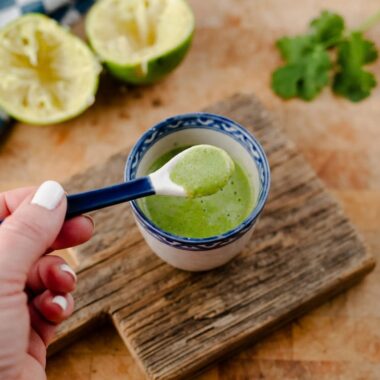
Flavorful Sauce The sauce is what ties all the other components together and gives each bowl its distinct flavor identity. Examples include tahini dressing, peanut sauce, balsamic glaze, roasted red pepper pesto, lime vinaigrette, and pineapple teriyaki sauce.
Component Breakdown: Why the Formula Works
It’s worth understanding why this five-part structure produces a balanced meal rather than just a convenient one.
Carbohydrates + Protein + Fat Together Combining complex carbohydrates from the base with protein and healthy fats provides steady energy and helps keep blood sugar balanced throughout the day, rather than causing a quick spike and crash.
Fiber from Multiple Sources Because vegetables, grains, and legumes are all present in the same bowl, fiber intake is naturally layered in from multiple directions, which supports good digestion.
Fat for Nutrient Absorption Heart-healthy fats — from olive oil, avocado, nuts, and seeds — don’t just add flavor and satisfaction; they also play a functional role in helping the body absorb certain nutrients from the other components of the bowl.
Approved Bowl Combinations (Based on the Formula)
The same formula can produce entirely different flavor profiles depending on which examples are chosen from each category. A few combinations that follow the formula directly:
- Mediterranean Bowl – Quinoa + grilled chicken + cucumbers, tomatoes, and olives + olive oil + tzatziki.
- Asian-Inspired Bowl – Brown rice + shrimp + shredded carrots, cabbage, and edamame + sesame seeds + soy-lime dressing.
- Mexican Bowl – Wild rice + sliced steak + bell peppers, corn, and salsa + avocado + chipotle yogurt sauce.
Each of these swaps out the specific ingredients within each category while keeping the same five-part structure intact — which is the core flexibility of the balanced bowl approach.
Step-by-Step Assembly Strategy
To build a balanced bowl efficiently, follow this sequence:
- Start with your base. Choose a whole grain, legume, or leafy green (or a combination) to form the foundation of the bowl. If you’re meal prepping, this is the component most worth batch-cooking in advance.
- Add your protein next. Choose a protein you already have prepared or one that can be added quickly, such as hard-boiled eggs or pre-cooked chicken, to keep assembly fast.
- Layer in a mix of vegetables, combining raw and roasted options where possible for a mix of textures and flavors.
- Add a source of healthy fat. This step shouldn’t be skipped — fats are part of what makes the bowl both nutritionally complete and satisfying to eat.
- Finish with a flavorful sauce. This is the component most responsible for tying everything together and giving the bowl its specific flavor identity, whether that’s Mediterranean, Asian-inspired, Mexican, or something else entirely.
- Season each layer individually as you build, rather than relying on the sauce alone to carry all the flavor. A sprinkle of salt or a squeeze of lime on individual components can make a noticeable difference in the final result.
- Mix textures deliberately. Pairing something crunchy, like shredded cabbage, with something creamy, like avocado or a rich sauce, creates a more dynamic eating experience than an all-soft or all-crunchy bowl.
Meal Prep Strategy for Balanced Bowls
Balanced bowls are particularly well suited to meal prep because each component of the formula can be prepared separately and assembled quickly throughout the week.
Base: Batch-cook grains like brown rice or quinoa, or prepare a batch of roasted beans, and keep them stored in the fridge so the foundation is always ready to go.
Vegetables: Roast a large sheet pan of vegetables at once, or keep fresh vegetables chopped and ready, so this step doesn’t need to be repeated for every single bowl.
Protein: Hard-boil a batch of eggs or bake a larger portion of chicken in advance, so a protein option is always available without extra last-minute cooking.
With these three components prepped ahead of time, assembling a finished bowl becomes a matter of layering rather than cooking from scratch each time — making it realistic to eat this way even on busy weeknights.
An Example Bowl in Practice
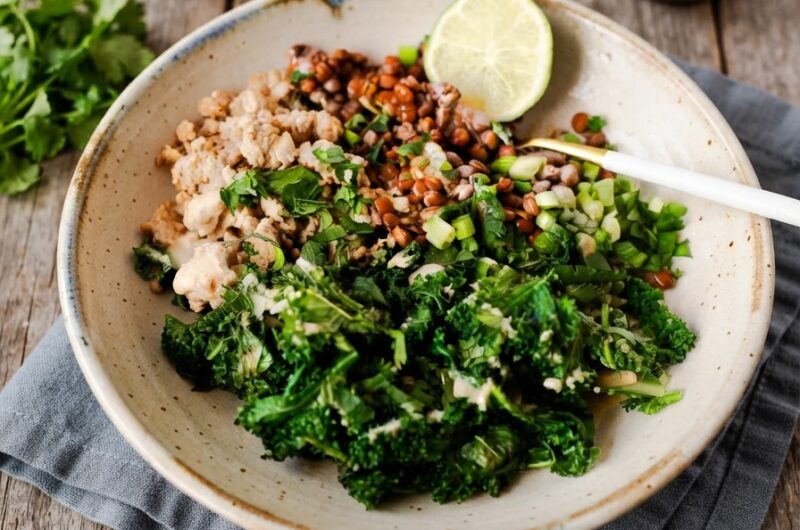
One example that illustrates the formula in a specific, high-protein direction is a lentil and ground chicken bowl, which combines lentils and ground chicken with kale and a tangy peanut dressing. A bowl built this way can deliver around 45 grams of protein and 5 grams of fiber, making it a strong option to prepare ahead and reheat for a filling lunch.
Part 2: Quick-Reference Formula Card
The Balanced Bowl Formula
Description: A flexible, one-dish meal formula that layers a grain or legume base, a protein, vegetables, a healthy fat, and a flavorful sauce into a single, nutritionally balanced bowl.
Formula: Grain/Legume (Base) + Protein + Veggie + Healthy Fat + Sauce = Balanced Bowl
Component Options:
Base
- Cilantro lime brown rice, quinoa, wild rice, farro, kale, spinach, arugula
Protein
- Grilled chicken, salmon bites, shrimp, pork tenderloin, tofu, black beans, grilled steak, hard-boiled eggs
Vegetables
- Bell peppers, cucumbers, shredded carrots, brussels sprouts, roasted sweet potatoes
Healthy Fats
- Avocado slices, sesame seeds, nuts, olive oil, peanut butter–based sauce
Sauce
- Tahini dressing, peanut sauce, balsamic glaze, roasted red pepper pesto, homemade special sauce, lime vinaigrette, pineapple teriyaki sauce
Sample Combinations:
- Mediterranean Bowl: quinoa + grilled chicken + cucumbers, tomatoes, olives + olive oil + tzatziki
- Asian-Inspired Bowl: brown rice + shrimp + shredded carrots, cabbage, edamame + sesame seeds + soy-lime dressing
- Mexican Bowl: wild rice + sliced steak + bell peppers, corn, salsa + avocado + chipotle yogurt sauce
Notes:
- Prep ahead by batch-cooking grains and proteins at the start of the week so bowls can be assembled in minutes.
- Mix textures by combining something crunchy with something creamy.
- Season each layer individually rather than relying only on the sauce for flavor.
- Keep a go-to sauce on hand, since it’s often what turns simple ingredients into a satisfying meal.
- Combining carbohydrates, protein, and healthy fats together supports steady energy and balanced blood sugar; the mix of vegetables, grains, and legumes adds fiber for digestion.
Medical and Nutritional Disclaimer
The information provided in this guide is intended for general informational and educational purposes only and does not constitute medical, dietary, or nutritional advice. Any nutrition figures referenced are approximate and should be used for general guidance only, as actual values will vary based on specific ingredients, brands, and portion sizes used. This guide is not intended to diagnose, treat, cure, or prevent any disease or health condition. Individuals with food allergies, dietary restrictions, or specific medical conditions should consult with a qualified healthcare provider or registered dietitian before making dietary changes based on this guide. The author and publisher assume no responsibility for any adverse effects resulting from the use or application of the information contained herein.